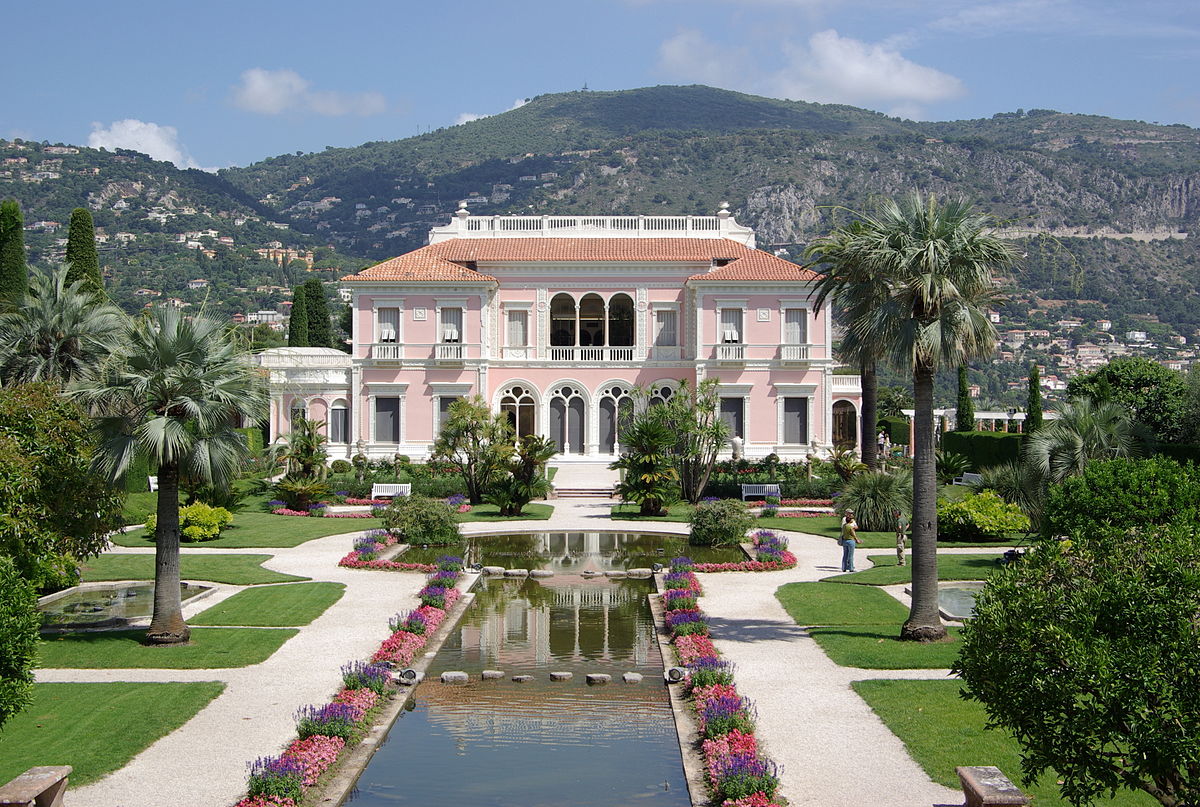


Villa Ephrussi de Rothschild
Overview
Located on the picturesque French Riviera, Villa Ephrussi de Rothschild is a museum that captures the essence of early 20th-century elegance and opulence. Set on a hilltop overlooking the Mediterranean Sea, this villa was the former residence of Baroness Béatrice Ephrussi de Rothschild, a renowned socialite and art collector. The villa’s unique blend of architecture and its magnificent gardens, designed in distinct styles, offer visitors a chance to explore the luxurious lifestyle of the wealthy elite during that era. The museum not only showcases a remarkable collection of art and antiques but also serves as a cultural hub, hosting various events and exhibitions throughout the year.
The villa is situated in a region known for its stunning coastal views and lush landscapes, making it an ideal destination for those interested in art, history, and nature. As you wander through the property, the meticulous attention to detail in both the interiors and the gardens provides an immersive experience that reflects the grandeur of its past. Visitors are encouraged to take their time to explore the various themed gardens, each with its own character and charm, and to delve into the history of the Rothschild family, whose influence on art and culture remains significant.
History and Significance
Villa Ephrussi de Rothschild was commissioned by Baroness Béatrice Ephrussi de Rothschild, a member of the prominent Rothschild banking family, who was known for her passion for art and culture. The villa was constructed in the early 1900s, with the aim of creating a luxurious retreat that would reflect her sophisticated tastes. Its design was inspired by various architectural styles, incorporating elements from the Italian Renaissance and French palaces, thus embodying the eclectic style of the Belle Époque period.
The villa holds significant cultural importance as it stands as a representation of the lifestyle and values of the affluent class during the early 20th century. Baroness Ephrussi was not only an art collector but also a patron of the arts, supporting various artists and cultural initiatives. The museum now houses an extensive collection of art, including paintings, tapestries, and porcelain, which were carefully curated by the Baroness herself.
The gardens surrounding the villa, designed in a variety of styles—such as French formal, Italian, and exotic gardens—are a testament to the Baroness’s horticultural vision and her love for nature. Each garden presents a different aesthetic experience, showcasing a diverse range of plant species and design principles. The villa and its gardens have been classified as a historic monument, reflecting their architectural and cultural significance and attracting visitors from around the world.
Architecture and Features
The architecture of Villa Ephrussi de Rothschild is characterized by its eclectic style, which melds various influences into a cohesive and visually stunning structure. The villa features a pink façade, ornate balconies, and intricate detailing, showcasing the opulence of its time. Its interior is equally impressive, with grand salons adorned with fine furniture, exquisite artworks, and decorative objects that reflect the tastes of the Baroness.
Notable features of the villa include the grand entrance hall, which leads to several themed rooms, each meticulously decorated to showcase different styles and periods. The library, with its rich wood paneling and collection of rare books, offers a glimpse into the intellectual pursuits of the Baroness. The dining room is particularly striking, featuring an impressive table set for lavish meals, reminiscent of the grand gatherings held at the villa.
The gardens are a highlight of the property, designed to complement the villa’s architectural grandeur. Each garden area is meticulously landscaped, featuring fountains, sculptures, and a variety of plant species that create a harmonious blend of color and texture. The French garden, with its manicured hedges and symmetrical layout, contrasts beautifully with the more relaxed atmosphere of the exotic garden, which showcases tropical plants and serene water features.
Visiting Information
Visiting Villa Ephrussi de Rothschild is a delightful experience, offering a chance to explore both the majestic villa and its expansive gardens. To reach the villa, visitors can utilize various modes of transport, including public buses, taxis, or personal vehicles. Parking is available on-site, making it convenient for those driving.
Check the official website for current information regarding hours of operation and ticket prices, as these can fluctuate based on the season and special events. Typically, a visit can take approximately two to three hours, allowing ample time to explore both the interior and exterior of the villa at a leisurely pace.
The best times to visit are during the shoulder seasons of spring and fall when the weather is pleasant, and crowds tend to be smaller. Special events, such as garden tours or art exhibitions, may also be held throughout the year, providing additional reasons to visit.
Nearby Attractions
- Cap Ferrat Lighthouse: A short distance from the villa, this lighthouse offers scenic views of the coastline and is a great spot for a leisurely walk.
- Paloma Beach: Located nearby, this popular beach is perfect for sunbathing and offers facilities for swimming and dining.
- Saint-Jean-Cap-Ferrat Village: Explore the charming village with its shops, cafes, and local culture, just a short walk from the villa.
- Villa Kerylos: This reconstruction of an ancient Greek villa is nearby and offers insights into Hellenistic architecture and lifestyle.
- The Exotic Garden of Eze: A short drive away, this garden features a vast collection of succulents and cacti, with stunning views of the Mediterranean.
Insider Tips
When visiting Villa Ephrussi de Rothschild, consider arriving early in the day to avoid larger crowds, especially during peak tourist seasons. This allows for a more peaceful experience while exploring the gardens and taking photographs. Photography is permitted throughout the villa and gardens, but be respectful of the space and other visitors.
If you’re interested in capturing the beauty of the gardens, the early morning light provides excellent conditions for photography. Additionally, weekdays tend to be less crowded than weekends, making them an ideal time for a visit.
Practical Information
Visitors to Villa Ephrussi de Rothschild should bring comfortable walking shoes, as the grounds involve considerable walking and exploring. A light jacket may be useful, especially during cooler months, as temperatures can drop in the evening.
Seasonal considerations include the blooming periods of various plants in the gardens, which can enhance the beauty of your visit. Spring is particularly lovely, as flowers are in full bloom, while fall offers a beautiful array of autumn colors.
Food and beverage options are available on-site, so you might consider planning a light meal or snack during your visit.
Frequently Asked Questions
How long should I spend visiting?
A visit typically lasts two to three hours, allowing time to explore both the villa and the gardens.
Is photography allowed?
Yes, photography is permitted throughout the villa and gardens, but be mindful of other visitors.
Are there guided tours?
Guided tours may be available; check the official website for details and scheduling.
What’s the best time to visit?
The best times to visit are during the shoulder seasons of spring and fall when the weather is pleasant and crowds are smaller.
Is it wheelchair accessible?
Check the official website for information on accessibility options for visitors with mobility needs.
Can I buy tickets online?
Yes, tickets may be available for purchase online; check the official website for current options.
Are there restrooms and cafes?
Yes, there are restroom facilities and a café on-site for visitors’ convenience.
What should I wear?
Comfortable and weather-appropriate clothing is recommended, along with sturdy shoes for walking the gardens.
Photo Gallery
Visit Information
Quick Facts
- Heritage Type
- Museum
- Region
- Saint-Jean-Cap-Ferrat
- Wikidata ID
- Q2452513
More in Auvergne-Rhône-Alpes
Abbé Jules Collin
📍 Saint-Brieuc, France
Abbé Jules Collin’s tomb is an important cultural landmark situated in the city of Saint-Brieuc, located in the Brittany region of France. The site …

abri Gay
📍 Poncin, France
The abri Gay is an archaeological site situated in the picturesque region of Poncin, France. Renowned for its extensive prehistoric artifacts, this …
Airaines Communal Cemetery
📍 Airaines, France
The Airaines Communal Cemetery, situated in the picturesque region of Somme, France, serves as a serene resting place that reflects the local history …

Alesia
📍 Alise-Sainte-Reine, France
Alesia is an archaeological site that holds immense historical significance, particularly for its role in the ancient Gallo-Roman period. Situated in …

alignements de Kerbourgnec
📍 Saint-Pierre-Quiberon, France
The alignements de Kerbourgnec is a fascinating archaeological site situated on the picturesque Quiberon Peninsula in Brittany, France. This site is …

amphitheater of Lyon
📍 1st arrondissement of Lyon, France
The amphitheater of Lyon is a striking remnant of the Roman Empire, offering a captivating glimpse into the grandeur of ancient entertainment venues. …
ancien cimetière de Basse Vallée
📍 Saint-Philippe, France
The ancien cimetière de Basse Vallée, situated in Saint-Philippe on the picturesque island of La Réunion, serves as both a final resting place and a …
More Museums & Galleries

Cité de la voile Éric Tabarly
📍 Lorient, France
Situated in the vibrant coastal city of Lorient in Brittany, the Cité de la voile Éric Tabarly serves as a unique tribute to one of France’s most …

Domaine de Squividan
📍 Clohars-Fouesnant, France
Domaine de Squividan is a captivating museum located in the picturesque region of Clohars-Fouesnant, France. This heritage site is dedicated to …
maison de la photographie
📍 Lille, France
The maison de la photographie serves as a vibrant hub for photography enthusiasts and casual visitors alike in the heart of Lille, France. This museum …
Maison des vautours
📍 Saint-Pierre-des-Tripiers, France
The Maison des vautours, or Vulture House, serves as an engaging museum that delves into the life and conservation of vultures in the region of …

Abbadia Castle
📍 Hendaye, France
Abbadia Castle, located in the scenic region of Hendaye, France, is a remarkable example of 19th-century architecture that stands proudly near the …

Abri du marin de l'île de Sein
📍 Île-de-Sein, France
The Abri du marin de l’île de Sein serves as a vital cultural institution dedicated to preserving and displaying the rich maritime heritage of the Île …

Abri du marin de Sainte-Marine
📍 Combrit, France
The Abri du marin de Sainte-Marine, a museum situated in the picturesque commune of Combrit in France, serves as a focal point for understanding the …