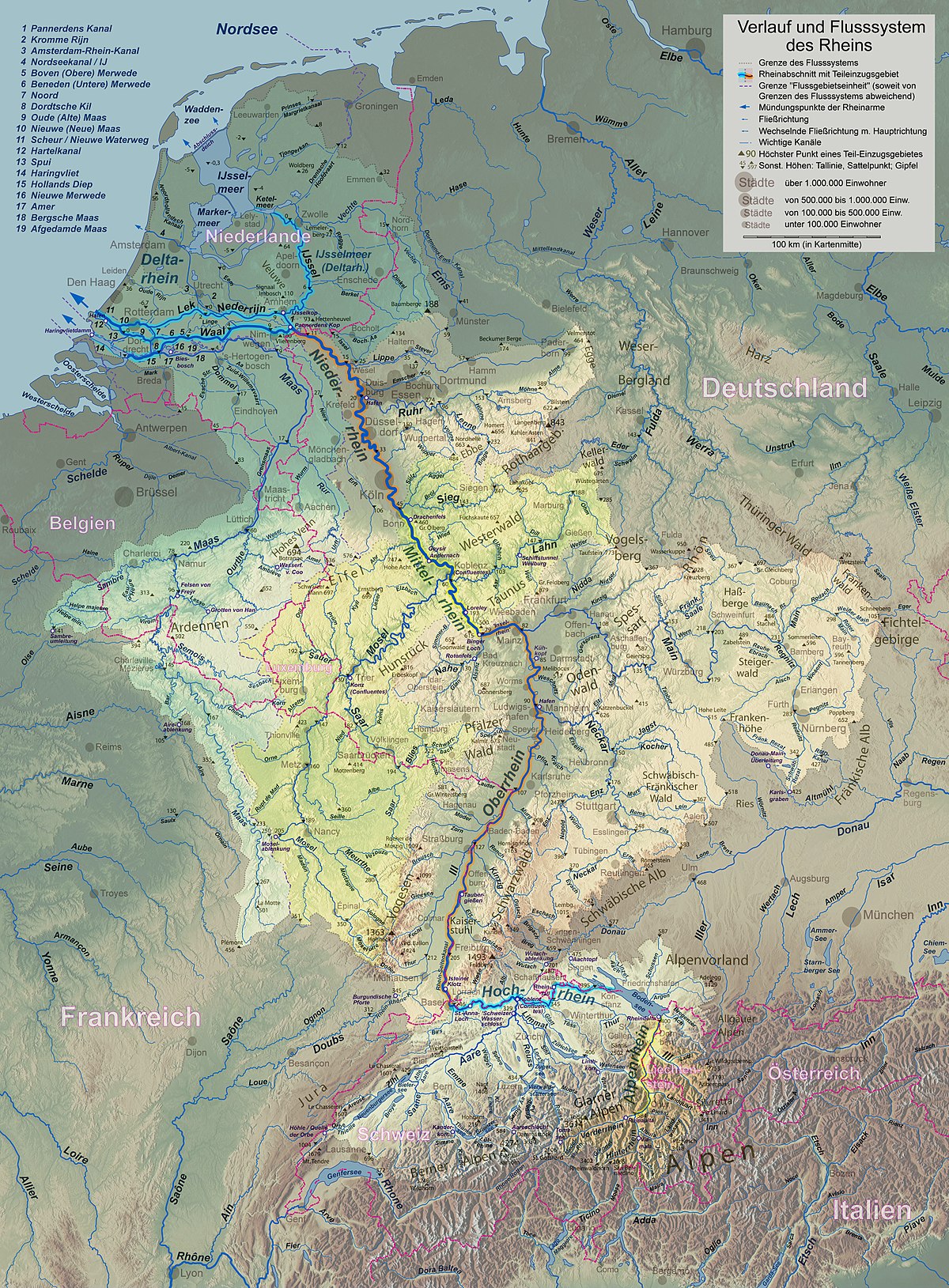


Upper Rhine
Overview
The Upper Rhine is a captivating section of the Rhine River that offers a unique blend of natural beauty and cultural significance. Stretching between Basel in Switzerland and Bingen in Germany, this part of the river is not only a vital waterway for trade and transport but also a stunning backdrop for countless historic sites and picturesque villages. The region is characterized by its gentle curves, lush vineyards, and charming towns that reflect the diverse cultures of the countries it traverses. As one of Europe’s most important rivers, the Upper Rhine has played a crucial role in the socio-economic development of the region, making it a fascinating destination for travelers interested in both history and nature.
The river is flanked by a series of castles and fortifications, each telling stories of the past. The scenic landscape is dotted with vineyards that produce some of France’s finest wines, further enhancing the allure of this remarkable area. Visitors can engage in various activities, from leisurely boat cruises to cycling along dedicated paths, enjoying the tranquil ambiance while learning about the rich heritage that permeates the banks of the river. The Upper Rhine is a true testament to the intersection of nature and culture, inviting exploration and discovery.
History and Significance
The Upper Rhine has a storied past that stretches back to ancient times. This river has served as a natural boundary and a vital trade route for centuries, shaping the economic and cultural landscape of the region. Historically, the Rhine has been a point of contention and cooperation, witnessing the rise and fall of empires and the flow of diverse cultures. The river’s banks have been the site of significant events, including battles and treaties that have influenced European history.
In the medieval period, the Upper Rhine became a hub for trade, with towns and cities flourishing along its banks. The construction of castles and fortifications was a response to the need for protection and control over this critical waterway. Many of these structures remain today, offering a glimpse into the region’s feudal past. The Upper Rhine also played a vital role in the cultural exchange between France and Germany, as its waters demarcate the linguistic and cultural boundaries between these two nations.
In contemporary times, the Upper Rhine continues to be significant for its economic contributions, particularly in agriculture and tourism. The region is renowned for its wine production, with vineyards lining the hills that overlook the river. The cultural festivals, museums, and historic sites attract visitors from around the world, ensuring that the legacy of the Upper Rhine remains vibrant and relevant.
Architecture and Features
The architectural landscape along the Upper Rhine is as diverse as its history. The river is lined with a variety of structures, from ancient castles to charming half-timbered houses that echo the region’s medieval heritage. Notable castles along the Upper Rhine include the iconic Burg Rüdesheim, which offers panoramic views of the river and surrounding vineyards, and the imposing Marksburg Castle, a well-preserved fortress that showcases the defensive architecture of the Middle Ages.
In addition to castles, several towns along the river feature stunning examples of Gothic and Baroque architecture. The towns of Strasbourg and Heidelberg, both situated along the Upper Rhine, are known for their historic buildings, including cathedrals and palaces that reflect the artistic movements of their respective eras. The interplay between the river and the architecture creates a picturesque environment that is both visually stunning and historically significant.
The natural features of the Upper Rhine are equally captivating. The river flows through beautiful landscapes characterized by rolling hills, dense forests, and expansive vineyards. The region’s biodiversity is supported by the varied ecosystems along the riverbanks, making it a haven for nature lovers and outdoor enthusiasts. Scenic paths and cycling routes provide opportunities to explore this rich terrain while enjoying the serene beauty of the waterway.
Visiting Information
Traveling to the Upper Rhine is relatively straightforward, with various transportation options available. The region is accessible by train, with major cities like Basel, Strasbourg, and Bingen connected by efficient rail services. For those driving, well-maintained roads run parallel to the river, allowing for scenic drives that highlight the area’s natural beauty.
When planning a visit, it’s essential to check the official website for current information on hours and prices for specific attractions along the river. Visitors can expect a mix of activities, from boat cruises that provide unique views of the castles and vineyards to hiking and cycling along the riverbanks. The best times to visit the Upper Rhine are during the spring and fall when the weather is mild, and the landscapes are particularly vibrant.
A typical visit might take a day or two, allowing for exploration of major towns and attractions, as well as some time to relax and enjoy the local cuisine and wines. There are also numerous opportunities for guided tours, which can provide deeper insights into the history and culture of the region.
Nearby Attractions
While the Upper Rhine itself is a major attraction, several nearby sites enhance the experience for visitors:
Strasbourg: Known for its stunning Gothic cathedral and charming old town, Strasbourg offers a blend of French and German culture.
Heidelberg: Famous for its historic university and picturesque castle, Heidelberg is a must-visit for history enthusiasts.
Burg Eltz: A fairy-tale castle nestled in the hills, Burg Eltz is one of the most beautiful castles in Germany, located a short drive from the river.
Rüdesheim am Rhein: This charming town is known for its wine production and lively atmosphere, with many wine taverns and shops to explore.
Black Forest: Just a short distance inland, this famous region is perfect for hiking and experiencing traditional German culture.
Insider Tips
For the best photographic opportunities, consider visiting early in the morning or late in the afternoon when the light is softer and casts beautiful reflections on the water. The towns along the Upper Rhine can become crowded, especially during peak tourist seasons, so try to plan visits during weekdays or off-peak hours for a more relaxed experience.
If you’re interested in wine tasting, many vineyards offer tours and tastings, but it’s advisable to book in advance to secure a spot. Additionally, renting a bicycle can provide a unique perspective of the river and its surroundings, allowing for spontaneous stops at picturesque locations.
Practical Information
When visiting the Upper Rhine, it’s advisable to bring comfortable walking shoes, especially if you plan to explore the towns and hiking trails. Seasonal considerations should also be taken into account; the summer months can be warm, while spring and fall provide more temperate weather.
Don’t forget to pack a reusable water bottle, as staying hydrated is essential, especially during outdoor activities. If you plan to enjoy local wines, consider bringing a small backpack to carry any purchases you make during your travels.
Frequently Asked Questions
How long should I spend visiting?
A visit of 1-2 days is recommended to fully appreciate the Upper Rhine and its attractions.
Is photography allowed?
Yes, photography is typically allowed in public spaces, but be mindful of any restrictions in specific sites.
Are there guided tours?
Yes, guided tours are available and can provide valuable insights into the region’s history and culture.
What’s the best time to visit?
The best times to visit are spring and fall when the weather is pleasant and landscapes are vibrant.
Is it wheelchair accessible?
Accessibility varies by location; some areas may have limited access. It’s best to check specific sites in advance.
Can I buy tickets online?
Some attractions may offer online ticket sales; check the official website for details.
Are there restrooms and cafes?
Yes, many towns along the Upper Rhine have public restrooms and cafes for visitors.
What should I wear?
Dress comfortably and consider layering, as temperatures can vary throughout the day.
In summary, the Upper Rhine offers a unique blend of history, culture, and natural beauty, making it an enriching destination for travelers. Whether you’re exploring its historic towns, savoring local wines, or enjoying the scenic landscapes, the Upper Rhine promises a memorable experience.
Photo Gallery
More in Île-de-France
91 tombeaux de la Guerre de 1914-1918 du cimetière de Vanves
📍 Vanves, France
The 91 tombeaux de la Guerre de 1914-1918 du cimetière de Vanves, located in the Hauts-de-Seine department, serve as a solemn reminder of the …
A Figa
📍 France
A Figa presents a fascinating glimpse into the ancient past of Corsica, an island steeped in historical significance and natural beauty. Situated in …
À la mémoire des Arméniens morts pour la France
📍 Paris, France
À la mémoire des Arméniens morts pour la France is a significant memorial site that honors the contributions and sacrifices of Armenian soldiers who …
abri Audi
📍 Les Eyzies-de-Tayac-Sireuil, France
The abri Audi, situated in the picturesque region of Les Eyzies-de-Tayac-Sireuil in France, is a remarkable archaeological site that offers a glimpse …

Abri de Villepin
📍 France
The Abri de Villepin, located in the picturesque region of France, is an archaeological site that holds significant importance for understanding early …

Adsilanum
📍 France
Adsilanum is an archaeological site located in the picturesque region of France. This site holds significant archaeological value, offering a glimpse …

Alalia
📍 France
Alalia, located on the eastern coast of Corsica, is an archaeological site that holds great significance in understanding the ancient civilizations …
More Natural Sites

Aa River
📍 France
The Aa River, located in France, is a picturesque waterway that flows through the northern regions of the country. While it may not be as famous as …

Aber Wrac'h
📍 France
Aber Wrac’h, a river located in northwestern France, is a prime example of the region’s natural beauty and ecological diversity. Flowing through the …

Aber-Benoît
📍 Saint-Pabu, France
Aber-Benoît is a serene watercourse that flows through the charming region of Saint-Pabu in France. This river, part of the larger Aber river system, …

Abloux
📍 Creuse, France
The Abloux River, flowing gracefully through the picturesque Creuse department in France, is not just a body of water; it is a vital part of the …
Abron
📍 France
The Abron River, located in the heart of France, invites visitors to explore its tranquil waters and scenic landscapes. This river contributes to the …

Acolin
📍 France
The Acolin River, flowing through the heart of France, offers visitors a unique opportunity to immerse themselves in the tranquil beauty of the French …

Adour
📍 France
The Adour River flows gracefully through the picturesque landscapes of southwestern France, weaving its way from the Pyrenees mountains to the …