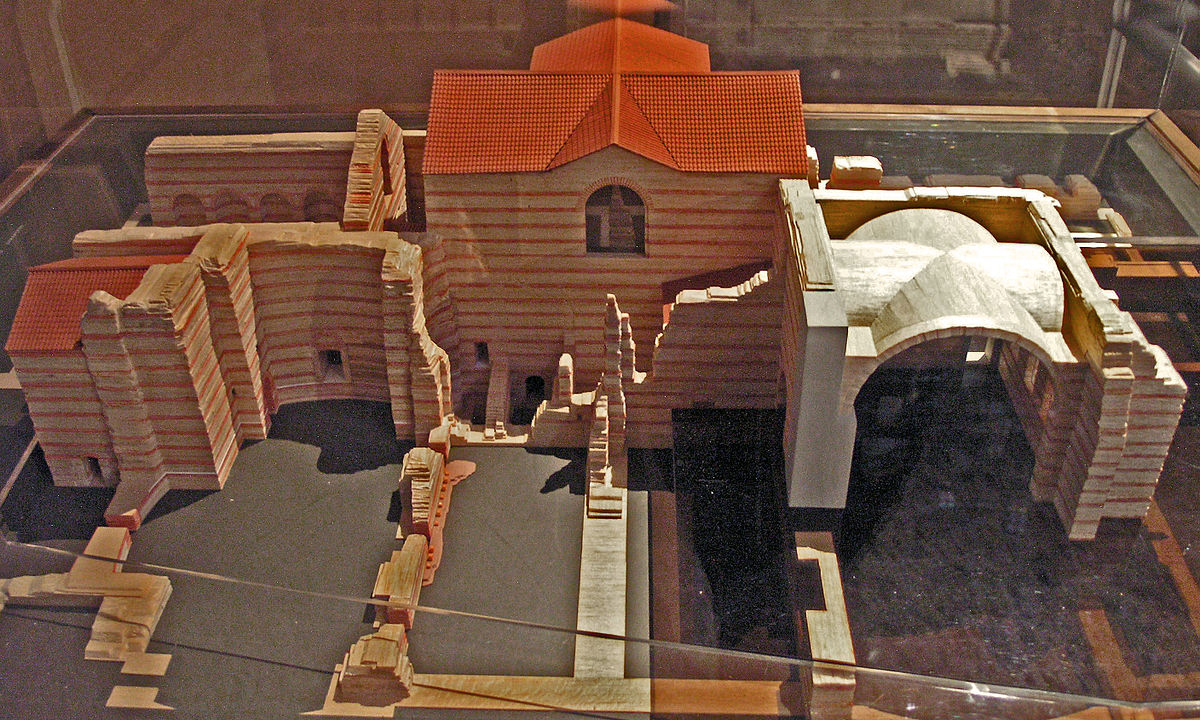


Thermes de Cluny
Overview
Located in the heart of Paris, the Thermes de Cluny is an extraordinary archaeological site that showcases the remnants of Gallo-Roman civilization. These ancient thermal baths, dating back to the 1st century AD, provide a fascinating insight into the social and cultural practices of Roman society. Visitors can explore the various architectural features and artifacts that highlight the importance of bathing and socializing in Roman culture, making it an essential stop for history enthusiasts and travelers alike.
The site is situated in the vibrant 5th arrondissement, an area known for its rich history and proximity to other significant landmarks, such as the Panthéon and the Sorbonne University. The Thermes de Cluny not only enhances our understanding of Roman engineering and architecture but also serves as a reminder of the enduring legacy of the Roman Empire in modern-day Paris. With its well-preserved structures and extensive collection of artifacts, the Thermes de Cluny invites visitors to delve into a world that has shaped much of European history.
History and Significance
The Thermes de Cluny, originally built in the 1st century AD, served as a public bathhouse for the citizens of Lutetia, the ancient Roman name for Paris. These thermal baths were integral to Roman life, reflecting the culture’s emphasis on hygiene, relaxation, and social interaction. The baths included a series of rooms, each designed for specific purposes, such as the caldarium (hot bath), tepidarium (warm bath), and frigidarium (cold bath), demonstrating advanced engineering techniques of the time.
The site was rediscovered in the 19th century during construction work, and subsequent excavations revealed the extensive remains of the baths, including intricate mosaics and heating systems. This discovery highlighted the sophisticated nature of Roman architecture and urban planning. The baths were not only a place for washing but also served as a social hub where individuals gathered to discuss politics, philosophy, and daily life.
The Thermes de Cluny is part of a larger narrative concerning the influence of Roman culture on Paris and France as a whole. The preservation of such sites allows contemporary society to appreciate the historical significance of these ancient structures and their role in the evolution of urban life. Today, the site is managed as a museum, where visitors can explore the baths and view a collection of ancient artifacts, including sculptures and ceramics, that further illuminate the daily lives of the Romans.
Architecture and Features
The architectural design of the Thermes de Cluny is a remarkable example of Roman engineering. Visitors will find remnants of the baths that still exhibit the grandeur of their original construction. The various rooms are characterized by thick stone walls, large vaulted ceilings, and intricate mosaics that depict scenes from nature and mythology, reflecting the aesthetic values of the time.
One of the most notable features of the site is the hypocaust system, an innovative method for heating the baths. This system involved a network of underground chambers that allowed hot air from a furnace to circulate beneath the floors, warming the tiles and creating a comfortable environment for bathers. The remains of these heating systems can still be seen today, providing insight into the technological advancements of Roman society.
Additionally, the site features several impressive mosaics that adorn the floors of the baths, showcasing the artistry and craftsmanship of Roman artisans. These mosaics often depicted intricate geometric patterns, as well as scenes from mythology, and serve as a testament to the cultural importance of art in Roman life.
Visitors can also explore the remains of the various rooms of the baths, including the caldarium, tepidarium, and frigidarium, which were used for different bathing experiences. Each room’s design reflects its intended use, with the caldarium featuring a domed ceiling to retain heat, while the frigidarium is characterized by its cooler atmosphere.
Visiting Information
The Thermes de Cluny is conveniently located in Paris’ 5th arrondissement, making it easily accessible by public transportation. The nearest metro station is Cluny – La Sorbonne, which is just a short walk from the site. Visitors can also reach the baths by taking a leisurely stroll through the historic streets of the Latin Quarter.
Check the official website for current information regarding opening hours and ticket prices, as these can vary throughout the year. Generally, the site is open to visitors for several hours each day, allowing ample time to explore the baths and the associated museum.
When planning a visit, it’s advisable to allocate around one to two hours to fully appreciate the site. The best times to visit are typically during weekdays, as weekends may attract larger crowds. Early morning or late afternoon visits can also provide a quieter experience.
Nearby Attractions
While visiting the Thermes de Cluny, consider exploring these nearby attractions:
Panthéon: A short walk away, this neoclassical mausoleum houses the remains of many distinguished French citizens and offers an impressive architectural experience.
Musée de Cluny (Musée National du Moyen Âge): Adjacent to the thermal baths, this museum showcases a collection of medieval artifacts, including tapestries and sculptures, further enriching your historical exploration.
Sorbonne University: One of the oldest universities in the world, the Sorbonne is a renowned center of education and culture, with beautiful architecture worth admiring.
Luxembourg Gardens: A stunning public park nearby, the gardens are perfect for a leisurely stroll, featuring manicured lawns, fountains, and statues.
Saint-Germain-des-Prés: This historic neighborhood is famous for its literary cafés, boutiques, and art galleries, providing a perfect blend of culture and leisure.
Insider Tips
Photography is generally allowed at the Thermes de Cluny, but be sure to check for any restrictions in specific areas. To capture the best images, consider visiting during the early morning when the light is soft and the crowds are minimal.
To avoid peak crowds, aim for a visit during the week, especially in the late morning or early afternoon. This will allow you to fully appreciate the site without the hustle and bustle of larger groups.
Practical Information
When planning your visit to the Thermes de Cluny, it’s advisable to wear comfortable shoes, as you will be walking on uneven surfaces and exploring various rooms. Additionally, bring along a water bottle to stay hydrated during your exploration.
Seasonal considerations include the possibility of fewer visitors during the winter months, which may provide a more intimate experience. However, be prepared for cooler temperatures and dress accordingly.
Frequently Asked Questions
How long should I spend visiting?
Visitors typically spend about one to two hours at the Thermes de Cluny to fully explore the site and its exhibits.
Is photography allowed?
Yes, photography is generally allowed, but check for any specific restrictions in certain areas of the site.
Are there guided tours?
Guided tours may be available; check the official website for details on scheduling and availability.
What’s the best time to visit?
Weekdays, especially in the early morning or late afternoon, are the best times to visit to avoid large crowds.
Is it wheelchair accessible?
Check the official website for specific accessibility information, as some areas may have limitations.
Can I buy tickets online?
Yes, tickets can often be purchased online; verify current options on the official website.
Are there restrooms and cafes?
Facilities may be available on-site, but check the official website for the most accurate information.
What should I wear?
Wear comfortable clothing and shoes suitable for walking, as you will be exploring uneven surfaces.
Photo Gallery
More in Île-de-France
91 tombeaux de la Guerre de 1914-1918 du cimetière de Vanves
📍 Vanves, France
The 91 tombeaux de la Guerre de 1914-1918 du cimetière de Vanves, located in the Hauts-de-Seine department, serve as a solemn reminder of the …
A Figa
📍 France
A Figa presents a fascinating glimpse into the ancient past of Corsica, an island steeped in historical significance and natural beauty. Situated in …
À la mémoire des Arméniens morts pour la France
📍 Paris, France
À la mémoire des Arméniens morts pour la France is a significant memorial site that honors the contributions and sacrifices of Armenian soldiers who …
abri Audi
📍 Les Eyzies-de-Tayac-Sireuil, France
The abri Audi, situated in the picturesque region of Les Eyzies-de-Tayac-Sireuil in France, is a remarkable archaeological site that offers a glimpse …

Abri de Villepin
📍 France
The Abri de Villepin, located in the picturesque region of France, is an archaeological site that holds significant importance for understanding early …

Adsilanum
📍 France
Adsilanum is an archaeological site located in the picturesque region of France. This site holds significant archaeological value, offering a glimpse …

Alalia
📍 France
Alalia, located on the eastern coast of Corsica, is an archaeological site that holds great significance in understanding the ancient civilizations …
More Archaeological Sites
A Figa
📍 France
A Figa presents a fascinating glimpse into the ancient past of Corsica, an island steeped in historical significance and natural beauty. Situated in …
Abattis Evrard
📍 Remire-Montjoly, France
Abattis Evrard is a notable archaeological site situated in Remire-Montjoly, a region of French Guiana. This site is essential for understanding the …
abri Audi
📍 Les Eyzies-de-Tayac-Sireuil, France
The abri Audi, situated in the picturesque region of Les Eyzies-de-Tayac-Sireuil in France, is a remarkable archaeological site that offers a glimpse …
Abri de Villepin
📍 France
The Abri de Villepin, located in the picturesque region of France, is an archaeological site that holds significant importance for understanding early …

Abri des pêcheurs
📍 Berrias-et-Casteljau, France
The Abri des pêcheurs, located in the picturesque region of Berrias-et-Casteljau, France, is a remarkable archaeological site that provides a window …

abri Gay
📍 Poncin, France
The abri Gay is an archaeological site situated in the picturesque region of Poncin, France. Renowned for its extensive prehistoric artifacts, this …
Adsilanum
📍 France
Adsilanum is an archaeological site located in the picturesque region of France. This site holds significant archaeological value, offering a glimpse …