


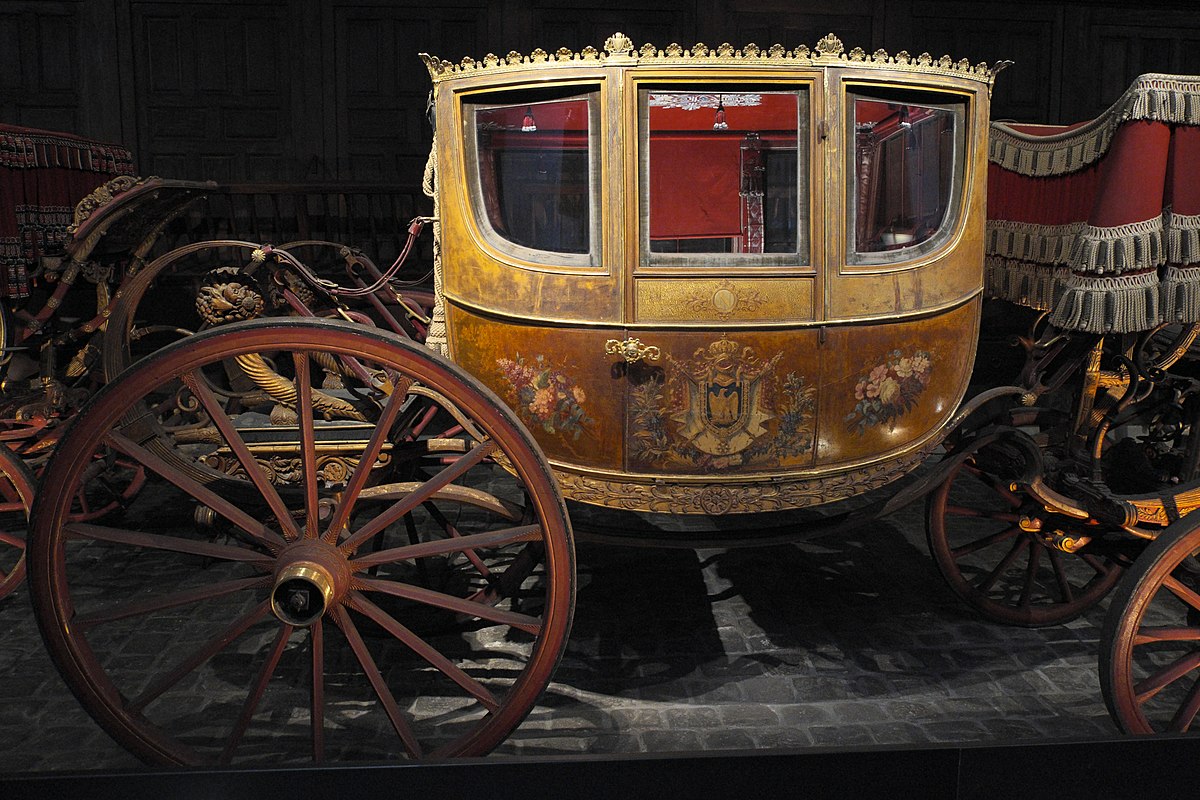


The Coach Gallery
Overview
Situated in the heart of Versailles, The Coach Gallery offers visitors a captivating glimpse into the equestrian culture that once flourished in France. This museum is dedicated to preserving and showcasing an impressive array of horse-drawn carriages, which were integral to the lives of nobility and royalty from various eras. The gallery not only highlights the craftsmanship of these vehicles but also provides insights into the social and historical significance of equestrian transportation. Given its proximity to the famed Palace of Versailles, the museum serves as a fascinating complement to the grandiose history of the area, making it an essential stop for those interested in the heritage of French culture. By exploring The Coach Gallery, guests can appreciate the artistry and engineering behind these magnificent carriages while gaining a deeper understanding of their role in shaping societal norms and practices in historical France.
History and Significance
The Coach Gallery stands as a significant cultural institution that reflects the rich equestrian heritage of France. While specific historical dates are not available, the tradition of horse-drawn carriages dates back centuries, profoundly influencing transportation and societal status. In the grandeur of Versailles, where opulence was the norm, these carriages were not merely tools for transit; they were symbols of power, prestige, and social status among the elite.
The collection within The Coach Gallery includes various types of carriages, each telling a unique story about the era it represents. From ceremonial vehicles used for royal parades to more practical designs intended for everyday use, the variety highlights the evolution of carriage design influenced by technological advancements and changing social customs. Visitors can explore how these vehicles were not only functional but also served as reflections of artistic trends, showcasing the craftsmanship of the artisans who created them.
The gallery plays a crucial role in preserving this aspect of French heritage, ensuring that future generations can appreciate the artistry and cultural significance of these historical artifacts. As part of the broader narrative of Versailles, The Coach Gallery contributes to our understanding of how transportation shaped the lives of those in power and the society that surrounded them.
Architecture and Features
The architectural design of The Coach Gallery complements its function as a museum dedicated to historical carriages. While specific architectural details are not provided, the structure is likely designed to accommodate large exhibits, allowing for the display of carriages in a way that highlights their grandeur and intricacies.
Inside, visitors will encounter a meticulously curated collection of horse-drawn carriages, each positioned to provide an unobstructed view of their detailed craftsmanship. The gallery emphasizes not only the aesthetic appeal of these vehicles but also their functional aspects, with informative displays that offer context about their use and significance.
Notable features may include interactive exhibits or multimedia presentations that enhance the visitor experience, allowing for a deeper connection to the history and stories behind each carriage. The layout is designed to guide visitors through the evolution of carriage design, often leading to a greater appreciation for the skilled artisans and innovations that contributed to their development.
Visiting Information
Accessing The Coach Gallery is straightforward, particularly for those already visiting the nearby Palace of Versailles. Various transport options are available, including public transit, taxis, and pedestrian pathways. For the most accurate and up-to-date information regarding opening hours and ticket prices, check the official website prior to your visit.
Visitors can expect to spend approximately one to two hours exploring the gallery, allowing ample time to appreciate the exhibits and engage with the informative displays. Ideal visiting times may vary, but weekdays tend to be less crowded than weekends, providing a more intimate experience.
Due to its cultural significance and unique collection, The Coach Gallery draws a diverse audience, from history enthusiasts to families. The museum’s interior is designed for comfort, ensuring that guests can enjoy their visit without feeling rushed or overwhelmed.
Nearby Attractions
- Palace of Versailles: The primary attraction in the area, this UNESCO World Heritage site is celebrated for its stunning architecture, expansive gardens, and rich history.
- Gardens of Versailles: Adjacent to the palace, the meticulously landscaped gardens are perfect for a leisurely stroll or a picnic amidst the natural beauty.
- Grand Trianon: A smaller palace located within the grounds of Versailles, offering a glimpse into the more private lives of French royalty.
- Petit Trianon: Another charming residence that showcases the personal tastes of Marie Antoinette and provides a serene escape from the grandeur of the main palace.
- Museum of the History of France: Located nearby, this museum delves into the broader historical context of France, complementing the themes explored at The Coach Gallery.
Insider Tips
To make the most of your visit to The Coach Gallery, consider arriving early in the day to avoid crowds. Weekdays typically see fewer visitors, which allows for a more relaxed experience. Photography may be allowed, but be sure to check for any specific restrictions within the gallery.
Engaging with the staff can enhance your experience, as they often provide valuable insights and may share stories about the carriages that are not included in the exhibits. Additionally, take time to read the informational displays, as they provide a deeper understanding of the cultural significance of the artifacts.
Practical Information
When visiting The Coach Gallery, it’s advisable to wear comfortable shoes, as you may be on your feet while exploring the exhibits. Depending on the season, layers are recommended, as indoor temperatures can vary.
Be sure to bring a water bottle, especially during warmer months, to stay hydrated while you explore. Seasonal events may also influence attendance and exhibit availability, so checking the official website can help you plan your visit accordingly.
Frequently Asked Questions
How long should I spend visiting?
A visit typically lasts between one to two hours, allowing ample time to explore the exhibits.
Is photography allowed?
Check the gallery’s policy on photography, as certain areas may have restrictions.
Are there guided tours?
Guided tours may be available; check the official website for details on scheduling and availability.
What’s the best time to visit?
Weekdays are generally less crowded, making them an ideal time for a more relaxed experience.
Is it wheelchair accessible?
The gallery is likely designed to be accessible, but confirm specific accommodations on the official website.
Can I buy tickets online?
Check the official website for information on online ticket purchases and pricing.
Are there restrooms and cafes?
Facilities are typically available; check the official website for specific details.
What should I wear?
Comfortable clothing and shoes are recommended, especially if you plan to walk through the nearby gardens or other attractions.
With its unique focus on historical carriages and their relevance to French culture, The Coach Gallery offers a fascinating exploration of a lesser-known aspect of the heritage of Versailles. This museum is a must-visit for anyone interested in the stories that shaped the lives of those who lived in this iconic region.
Photo Gallery
Visit Information
Quick Facts
- Heritage Type
- Museum
- Region
- Versailles
- Wikidata ID
- Q3330236
More in Île-de-France
91 tombeaux de la Guerre de 1914-1918 du cimetière de Vanves
📍 Vanves, France
The 91 tombeaux de la Guerre de 1914-1918 du cimetière de Vanves, located in the Hauts-de-Seine department, serve as a solemn reminder of the …
A Figa
📍 France
A Figa presents a fascinating glimpse into the ancient past of Corsica, an island steeped in historical significance and natural beauty. Situated in …
À la mémoire des Arméniens morts pour la France
📍 Paris, France
À la mémoire des Arméniens morts pour la France is a significant memorial site that honors the contributions and sacrifices of Armenian soldiers who …
abri Audi
📍 Les Eyzies-de-Tayac-Sireuil, France
The abri Audi, situated in the picturesque region of Les Eyzies-de-Tayac-Sireuil in France, is a remarkable archaeological site that offers a glimpse …

Abri de Villepin
📍 France
The Abri de Villepin, located in the picturesque region of France, is an archaeological site that holds significant importance for understanding early …

Adsilanum
📍 France
Adsilanum is an archaeological site located in the picturesque region of France. This site holds significant archaeological value, offering a glimpse …

Alalia
📍 France
Alalia, located on the eastern coast of Corsica, is an archaeological site that holds great significance in understanding the ancient civilizations …
More Museums & Galleries

Cité de la voile Éric Tabarly
📍 Lorient, France
Situated in the vibrant coastal city of Lorient in Brittany, the Cité de la voile Éric Tabarly serves as a unique tribute to one of France’s most …

Domaine de Squividan
📍 Clohars-Fouesnant, France
Domaine de Squividan is a captivating museum located in the picturesque region of Clohars-Fouesnant, France. This heritage site is dedicated to …
maison de la photographie
📍 Lille, France
The maison de la photographie serves as a vibrant hub for photography enthusiasts and casual visitors alike in the heart of Lille, France. This museum …
Maison des vautours
📍 Saint-Pierre-des-Tripiers, France
The Maison des vautours, or Vulture House, serves as an engaging museum that delves into the life and conservation of vultures in the region of …

Abbadia Castle
📍 Hendaye, France
Abbadia Castle, located in the scenic region of Hendaye, France, is a remarkable example of 19th-century architecture that stands proudly near the …

Abri du marin de l'île de Sein
📍 Île-de-Sein, France
The Abri du marin de l’île de Sein serves as a vital cultural institution dedicated to preserving and displaying the rich maritime heritage of the Île …

Abri du marin de Sainte-Marine
📍 Combrit, France
The Abri du marin de Sainte-Marine, a museum situated in the picturesque commune of Combrit in France, serves as a focal point for understanding the …