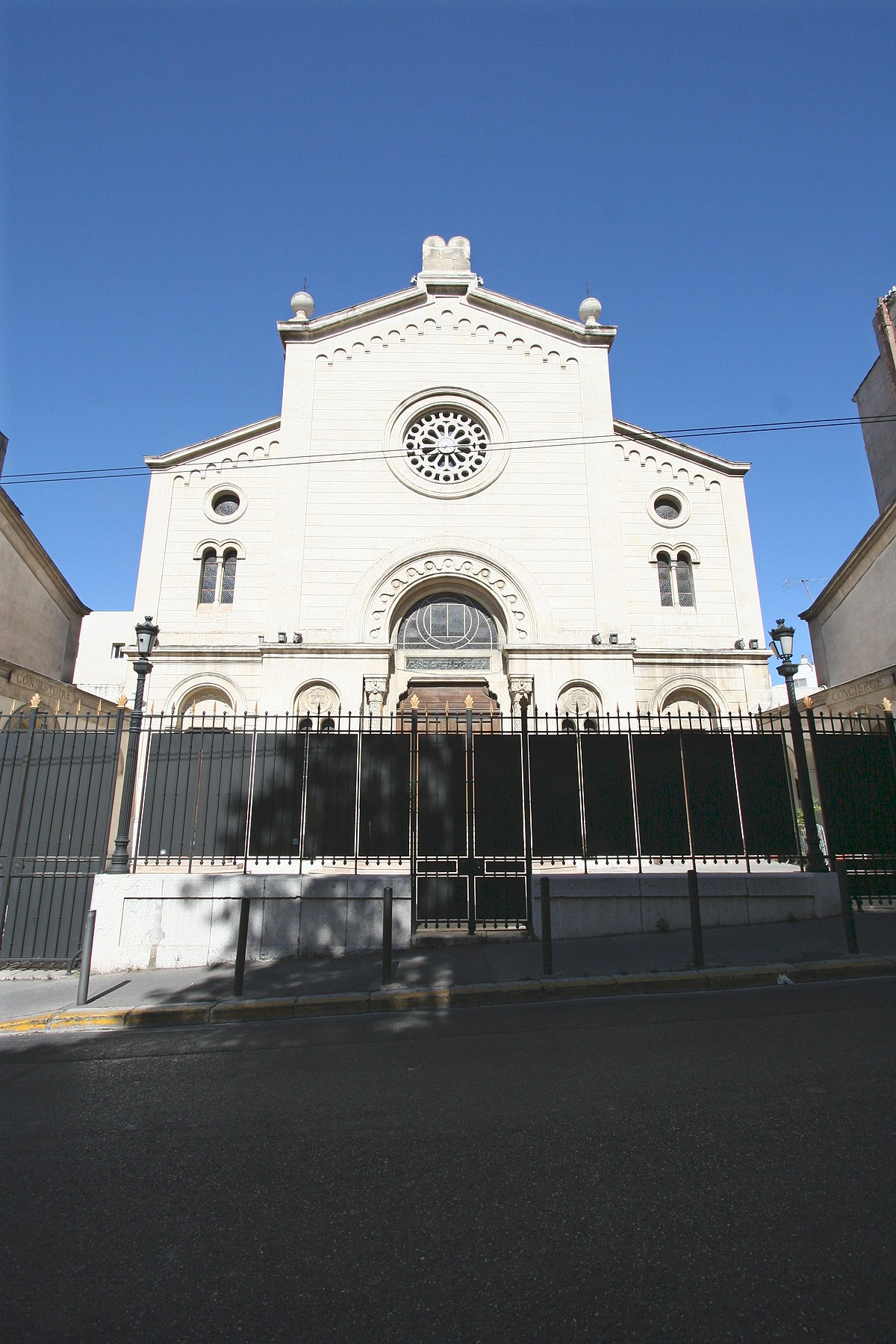


Synagogue of Marseille
Overview
The Synagogue of Marseille is a significant religious structure located in the heart of one of France’s most vibrant cities. This synagogue serves as a focal point for the Jewish community in Marseille, which has a rich and diverse history. The city itself, situated along the Mediterranean coast, is known for its multicultural atmosphere and historical depth, making it a prime destination for heritage enthusiasts. The synagogue stands as a symbol of resilience and faith, reflecting the enduring presence of Jewish culture in the region. Visitors to this site can expect to learn about the Jewish community’s contributions to Marseille’s identity, as well as appreciate the architectural features that define this sacred space.
History and Significance
The Jewish community in Marseille dates back to the early medieval period, with evidence suggesting that Jews have lived in the city since at least the 13th century. The Synagogue of Marseille symbolizes not only the religious practices of this community but also its historical journey through centuries of change and challenge. Throughout history, the Jewish population in Marseille has faced various trials, including periods of persecution and migration.
The synagogue itself was built to provide a dedicated space for worship, community gatherings, and cultural events, thus serving as an essential hub for Jewish life in the city. It reflects the broader narrative of Jewish history in France, marked by both flourishing and adversity. Today, the synagogue continues to play a vital role in preserving traditions and fostering communal ties among local Jews and visitors alike.
The synagogue’s significance extends beyond its religious functions; it acts as a cultural landmark, showcasing the contributions of Jews to the arts, commerce, and social fabric of Marseille. The building represents an enduring legacy, reminding visitors of the importance of understanding diverse cultural narratives within the historical context of the city.
Architecture and Features
The Synagogue of Marseille features architectural elements that reflect its cultural heritage and the artistic influences that have shaped its design. Its exterior is marked by traditional Jewish motifs, with an inviting façade that draws the eye of passersby. The use of local materials and craftsmanship speaks to the connection between the synagogue and the surrounding environment.
Inside, visitors can find a serene atmosphere conducive to reflection and worship. The interior design often includes intricate woodwork, beautiful stained glass, and symbolic decorations that enhance the spiritual ambiance of the space. Notably, the bimah, or raised platform for reading the Torah, is a focal point within the sanctuary, designed to facilitate the congregation’s engagement in prayer and community activities.
The synagogue’s layout is functional, accommodating both large gatherings and smaller, intimate services. This flexibility reflects its role as a community center, where various events and celebrations can take place, strengthening community bonds.
Visiting Information
When planning a visit to the Synagogue of Marseille, check the official website for current information regarding hours and ticket prices, as these can vary. The synagogue is located in the 6th arrondissement, easily accessible via public transport. Visitors can reach it by taking local buses or trams that service the area.
Expect to spend approximately one to two hours at the synagogue, allowing time to explore its features and learn about its history. The best times to visit are typically during the weekdays when the synagogue is less crowded, providing a more intimate experience.
While visiting, respect the religious significance of the site. Dress modestly, and be mindful of the customs observed within the synagogue. Guided tours may be available, offering deeper insights into the history and significance of the building and its community.
Nearby Attractions
While in the 6th arrondissement of Marseille, consider exploring the following nearby attractions:
Palais des Congrès: A multifunctional venue that hosts various events and exhibitions, showcasing the city’s vibrant cultural scene.
Parc Borély: A beautiful park offering tranquil gardens, a picturesque lake, and walking paths, ideal for a leisurely stroll.
Château Borély: A historic château located within the Parc Borély, which houses a museum dedicated to the decorative arts.
Marseille Cathedral: This stunning cathedral features a blend of architectural styles and offers breathtaking views of the surrounding area.
Vieux Port: The Old Port area is the historic heart of Marseille, filled with restaurants, shops, and bustling markets.
Insider Tips
For the best photography opportunities, visit the synagogue outside of peak hours when natural light illuminates its features. Be sure to capture both the exterior and interior, but remember to ask for permission if taking photos inside, as some areas may have restrictions.
To avoid crowds, consider visiting during the early morning or late afternoon. This timing not only enhances your experience but also allows for a more peaceful atmosphere to appreciate the synagogue’s beauty.
Practical Information
When visiting the Synagogue of Marseille, bring essentials such as water, comfortable walking shoes, and modest attire. Depending on the season, consider checking the weather forecast, as the Mediterranean climate can vary. Summer months may be warm, while winter can be mild but occasionally rainy.
Additionally, ensure you have a charged mobile device or camera for capturing your visit. It’s also wise to familiarize yourself with the synagogue’s customs and practices to show respect during your visit.
Frequently Asked Questions
How long should I spend visiting?
A visit typically takes about one to two hours, allowing time to explore and appreciate the synagogue’s architecture and history.
Is photography allowed?
Photography policies may vary; it is advisable to ask for permission before taking photos inside the synagogue.
Are there guided tours?
Check the official website for information on guided tours, which may provide a more in-depth understanding of the site’s history and significance.
What’s the best time to visit?
Weekdays are generally less crowded, making them ideal for a more intimate visit.
Is it wheelchair accessible?
Accessibility information can vary; check the official website or contact the synagogue for specifics regarding wheelchair access.
Can I buy tickets online?
For current ticketing options, including online purchases, refer to the official website.
Are there restrooms and cafes?
Facilities may be limited; it’s best to check in advance and plan accordingly.
What should I wear?
Modest attire is recommended, as the synagogue is a place of worship. Visitors should dress respectfully.
Photo Gallery
More in Provence-Alpes-Côte d'Azur

Abri des pêcheurs
📍 Berrias-et-Casteljau, France
The Abri des pêcheurs, located in the picturesque region of Berrias-et-Casteljau, France, is a remarkable archaeological site that provides a window …

Achiet-le-Grand Communal Cemetery
📍 Achiet-le-Grand, France
Achiet-le-Grand Communal Cemetery is situated in the Pas-de-Calais region of France, an area that has witnessed a tumultuous history especially during …

Agnez-les-Duisans Communal Cemetery
📍 Agnez-lès-Duisans, France
The Agnez-les-Duisans Communal Cemetery is located in the Pas-de-Calais region of northern France, a serene site that serves as a resting place for …

Ancienne Comédie d'Avignon
📍 Avignon, France
The Ancienne Comédie d’Avignon, once a vibrant hub of theatrical performances, plays a pivotal role in the cultural history of Avignon, a city known …
ancienne propriété de Camille Corot
📍 Ville-d'Avray, France
The ancienne propriété de Camille Corot is a charming park located in the scenic town of Ville-d’Avray, just outside of Paris, France. This peaceful …

Ancient Roman circus of Arles
📍 Arles, France
The Ancient Roman circus of Arles stands as a monumental reminder of the grandeur of Roman architecture and public entertainment. Located in the heart …

Annappes Churchyard
📍 Villeneuve-d'Ascq, France
The Annappes Churchyard, situated in the heart of Villeneuve-d’Ascq in the Nord region of France, offers visitors a contemplative environment steeped …
More Religious Buildings
abadia de Sant Llorenç de Vernosoubre
📍 Caunes-Minervois, France
The Abadia de Sant Llorenç de Vernosoubre, situated in the picturesque region of Caunes-Minervois, France, is a remarkable example of monastic …

Abbatiale Saint-Volusien de Foix
📍 Foix, France
The Abbatiale Saint-Volusien de Foix stands as a remarkable monument in the picturesque region of Ariège, France. This abbatial church not only serves …
abbaye bénédictine de La Rochette
📍 Belmont-Tramonet, France
The abbaye bénédictine de La Rochette is a significant cultural and spiritual site nestled in the picturesque region of Savoie, France. This …
abbaye bénédictine de Madiran
📍 Madiran, France
The abbaye bénédictine de Madiran sits in the picturesque region of Hautes-Pyrénées, France, offering visitors a serene retreat infused with spiritual …
abbaye bénédictine de Rosans
📍 Rosans, France
The abbaye bénédictine de Rosans is a prominent monastery situated in the picturesque Hautes-Alpes region of France. This tranquil site is not only a …
abbaye bénédictine Notre-Dame de Saint-Eustase
📍 Eyres-Moncube, France
The abbaye bénédictine Notre-Dame de Saint-Eustase is a significant Benedictine monastery situated in the tranquil region of Eyres-Moncube, France. …
abbaye cistercienne de Montfaucon
📍 Montfaucon-en-Velay, France
The abbaye cistercienne de Montfaucon is a fascinating site located in the Haute-Loire region of France. This monastery, part of the Cistercian order, …