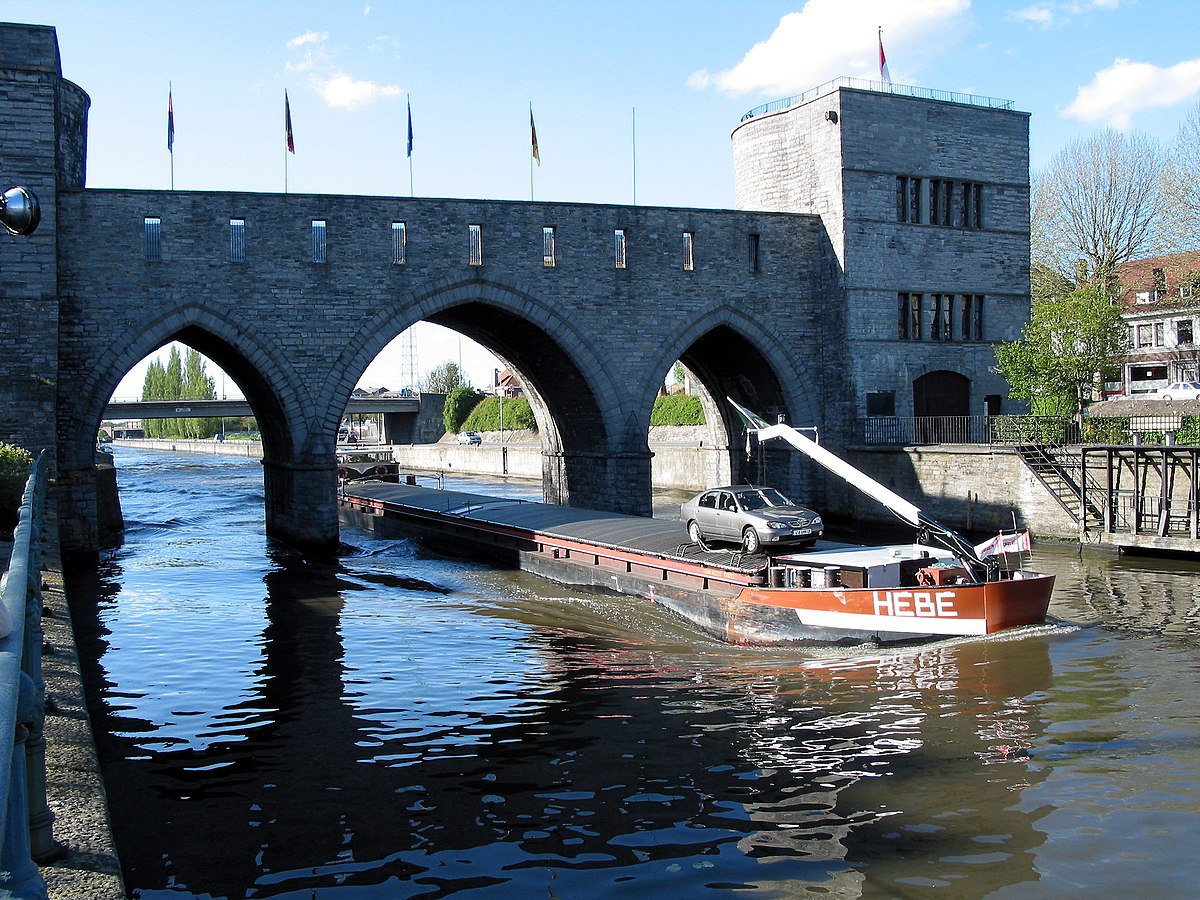


Scheldt
Overview
The Scheldt River, with its origins in the northern regions of France, meanders through Belgium before finally reaching the North Sea in the Netherlands. Stretching over 350 kilometers, this river has long served as a crucial waterway for transportation, trade, and cultural exchange in Western Europe. Its banks are dotted with bustling cities, picturesque towns, and rich landscapes, making it not only an important geographical feature but also a vital artery of economic and cultural life in the region.
The Scheldt’s significance goes beyond its physical presence; it has played a pivotal role throughout history, influencing the development of the regions it traverses. The river has seen the rise and fall of civilizations, the establishment of trade routes, and significant military engagements. Along its banks, visitors can find a blend of historical landmarks, vibrant communities, and serene natural beauty, making it a fascinating destination for travelers interested in exploring the interplay between nature and human history.
As you journey along the Scheldt, expect to encounter a variety of experiences: from the lively ports of Antwerp to the tranquil countryside of France. This river offers an exceptional opportunity to witness the convergence of natural beauty and rich heritage. Whether you’re exploring its cultural landmarks or simply enjoying its scenic vistas, the Scheldt promises an enriching experience.
History and Significance
The Scheldt has been a vital element of human settlement and development for centuries. Its strategic position has made it a natural choice for early inhabitants who relied on its waters for sustenance, transport, and trade. The river’s historical importance became particularly pronounced during the Middle Ages when it served as a key waterway for merchants and traders in the region. Towns and cities along its banks flourished due to their access to maritime commerce, leading to cultural and economic prosperity.
One of the most significant historical events associated with the Scheldt is its role in various military conflicts. Control of the river has been a point of contention throughout history, particularly during the World Wars, when it served as a strategic military objective. The Scheldt estuary was the site of intense battles, underscoring its importance not only for trade but also for defense and military strategy.
In contemporary times, the Scheldt continues to be a crucial waterway for shipping and trade, connecting inland regions with the North Sea. The river’s significance extends to environmental aspects, as it supports diverse ecosystems and provides habitats for various species. Efforts to preserve and enhance the river’s natural environment reflect a growing awareness of the need to balance economic activities with ecological sustainability.
The Scheldt’s rich cultural tapestry is interwoven with the stories of the people who have lived along its banks. Festivals, art, and culinary traditions have emerged from the river’s influence, presenting visitors with a chance to immerse themselves in the local culture. The river, therefore, is not merely a physical entity but a significant aspect of the identity and heritage of the regions it flows through.
Architecture and Features
The Scheldt is characterized by a diverse array of landscapes and architectural features along its banks. From the industrial ports of Antwerp to the charming medieval towns, the river showcases a blend of historical and modern elements. The port city of Antwerp, situated on the Scheldt, is particularly renowned for its impressive architecture, including the Cathedral of Our Lady, a UNESCO World Heritage site that dominates the city’s skyline with its stunning Gothic design.
As the river flows through various regions, it passes through picturesque landscapes, including serene rural areas, wetlands, and vibrant urban centers. The banks of the Scheldt are often lined with walking paths, parks, and recreational areas that allow visitors to appreciate the natural beauty of the river. The river is also home to a variety of wildlife, making it a notable destination for nature enthusiasts.
Bridges spanning the Scheldt serve as vital connections between communities, with some featuring striking designs that enhance the scenic beauty of the area. Notable bridges include the iconic St. Anna Tunnel, which allows pedestrians and cyclists to cross beneath the river, offering a unique perspective of the surroundings.
In addition to its natural beauty and architectural significance, the Scheldt is a working river. Its waters are busy with cargo ships and pleasure boats, reflecting the ongoing importance of the river for trade and transportation. The sights and sounds of the river create a lively atmosphere, making it a dynamic and engaging destination.
Visiting Information
Visiting the Scheldt offers numerous opportunities to explore its many facets. Travelers can start their journey in Antwerp, a vibrant city with easy access to the river. The city is well-connected by public transport, including trains and buses, making it convenient to reach from other major cities in Belgium and neighboring countries.
While specific hours and prices for activities along the Scheldt may vary, it is advisable to check the official websites for the latest information. Many attractions along the river, such as museums, galleries, and historical sites, have varying opening times, particularly during holidays or special events.
Visitors can expect to spend a few hours exploring key sites along the river. Walking or cycling along the riverbanks is popular, providing a leisurely way to appreciate the landscapes and architecture. Guided boat tours are available, offering unique perspectives of the river and its surroundings.
The best times to visit the Scheldt are during the spring and summer months when the weather is pleasant, and the natural beauty of the area is in full bloom. Additionally, many local festivals and events occur during these months, allowing visitors to engage with the local culture.
Nearby Attractions
Antwerp: This vibrant city is known for its rich history, stunning architecture, and thriving arts scene. Notable attractions include the Cathedral of Our Lady and the Royal Museum of Fine Arts.
Ghent: Just a short journey from the Scheldt, Ghent is a beautiful medieval city filled with canals, historic buildings, and lively street life. The Gravensteen Castle is a must-visit.
Bruges: Renowned for its well-preserved medieval architecture, Bruges is famous for its canals and cobblestone streets. The Belfry of Bruges offers stunning views of the city.
Ypres: A city steeped in World War history, Ypres is home to several important memorials and museums dedicated to the events of the Great War. The Menin Gate is a poignant tribute to fallen soldiers.
Mechelen: This charming city features a mix of historical sites, including the St. Rumbold’s Cathedral and lively squares. It offers a quieter alternative to busier tourist destinations.
Insider Tips
For photography enthusiasts, the Scheldt offers a variety of picturesque settings throughout the day. Early mornings or late afternoons provide the best lighting for capturing the river’s beauty. Look for vantage points along the banks or bridges for elevated views of the surrounding landscapes.
Avoiding crowds can enhance your experience, particularly during peak tourist seasons. Visiting during weekdays or exploring lesser-known towns along the river can provide a more tranquil atmosphere, allowing you to fully appreciate the area’s charm.
Practical Information
When planning your visit to the Scheldt, consider bringing items such as comfortable walking shoes, a refillable water bottle, and a camera to capture the stunning scenery. Seasonal weather can vary, so check forecasts and dress accordingly, especially during the colder months.
If you plan to engage in outdoor activities such as cycling or walking, sunscreen and insect repellent may be useful. The river area is generally safe for visitors, but it’s always wise to stay aware of your surroundings, especially in busier urban areas.
Frequently Asked Questions
How long should I spend visiting?
Visitors typically spend a few hours to a full day exploring the Scheldt and its surrounding attractions, depending on their interests.
Is photography allowed?
Yes, photography is generally permitted in public areas along the Scheldt, but be respectful of private properties and local customs.
Are there guided tours?
Yes, guided tours are available, including boat tours and walking tours that provide insights into the history and significance of the river.
What’s the best time to visit?
The best time to visit is during the spring and summer months when the weather is pleasant and many cultural events take place.
Is it wheelchair accessible?
Many areas along the Scheldt are accessible, but check specific locations for individual accessibility options.
Can I buy tickets online?
Some attractions may offer online ticket purchases; check their official websites for more information.
Are there restrooms and cafes?
Yes, there are public restrooms and cafes available in many towns and cities along the river, particularly in tourist areas.
What should I wear?
Dress comfortably and appropriately for the weather. If you plan on walking or cycling, wear suitable footwear.
Photo Gallery
More in Île-de-France
91 tombeaux de la Guerre de 1914-1918 du cimetière de Vanves
📍 Vanves, France
The 91 tombeaux de la Guerre de 1914-1918 du cimetière de Vanves, located in the Hauts-de-Seine department, serve as a solemn reminder of the …
A Figa
📍 France
A Figa presents a fascinating glimpse into the ancient past of Corsica, an island steeped in historical significance and natural beauty. Situated in …
À la mémoire des Arméniens morts pour la France
📍 Paris, France
À la mémoire des Arméniens morts pour la France is a significant memorial site that honors the contributions and sacrifices of Armenian soldiers who …
abri Audi
📍 Les Eyzies-de-Tayac-Sireuil, France
The abri Audi, situated in the picturesque region of Les Eyzies-de-Tayac-Sireuil in France, is a remarkable archaeological site that offers a glimpse …

Abri de Villepin
📍 France
The Abri de Villepin, located in the picturesque region of France, is an archaeological site that holds significant importance for understanding early …

Adsilanum
📍 France
Adsilanum is an archaeological site located in the picturesque region of France. This site holds significant archaeological value, offering a glimpse …

Alalia
📍 France
Alalia, located on the eastern coast of Corsica, is an archaeological site that holds great significance in understanding the ancient civilizations …
More Natural Sites

Aa River
📍 France
The Aa River, located in France, is a picturesque waterway that flows through the northern regions of the country. While it may not be as famous as …

Aber Wrac'h
📍 France
Aber Wrac’h, a river located in northwestern France, is a prime example of the region’s natural beauty and ecological diversity. Flowing through the …

Aber-Benoît
📍 Saint-Pabu, France
Aber-Benoît is a serene watercourse that flows through the charming region of Saint-Pabu in France. This river, part of the larger Aber river system, …

Abloux
📍 Creuse, France
The Abloux River, flowing gracefully through the picturesque Creuse department in France, is not just a body of water; it is a vital part of the …
Abron
📍 France
The Abron River, located in the heart of France, invites visitors to explore its tranquil waters and scenic landscapes. This river contributes to the …

Acolin
📍 France
The Acolin River, flowing through the heart of France, offers visitors a unique opportunity to immerse themselves in the tranquil beauty of the French …

Adour
📍 France
The Adour River flows gracefully through the picturesque landscapes of southwestern France, weaving its way from the Pyrenees mountains to the …