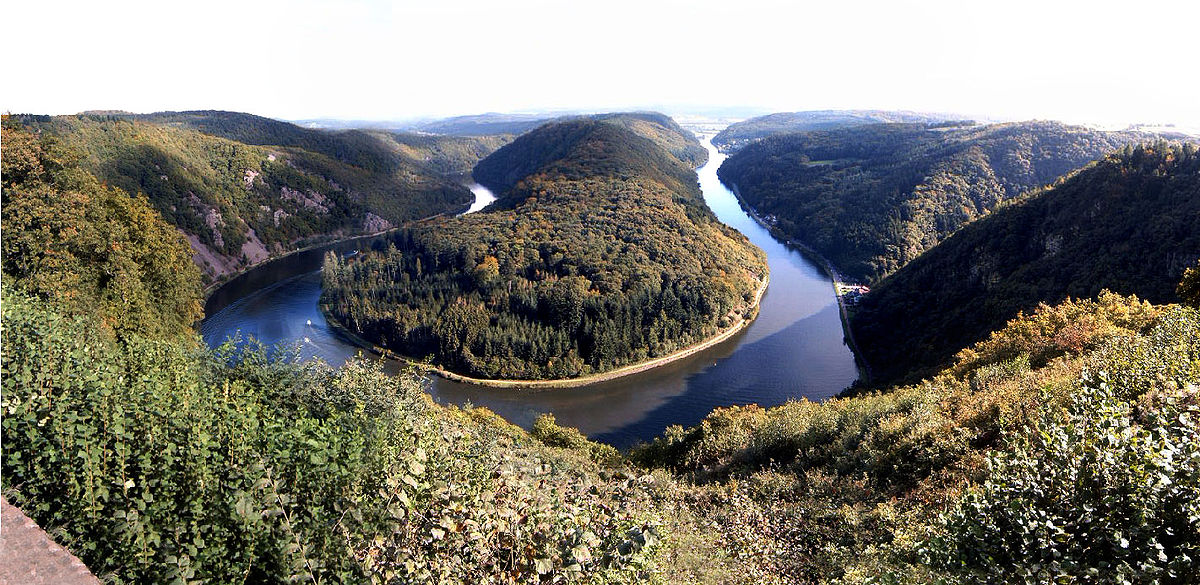


Saar
Overview
The Saar River, flowing through the Saarland region of France and Germany, is more than just a body of water; it serves as a vital artery of culture, history, and nature. Originating in the Vosges mountains, the river meanders through stunning landscapes, historic towns, and vibrant cities, offering a diverse array of experiences to visitors. The river is approximately 246 kilometers long and has played a crucial role in the development of the surrounding areas, influencing local commerce, transport, and tourism.
The Saar River is particularly significant for its role in shaping the cultural identity of the Saarland region. Its banks are dotted with charming villages and towns that reflect a blend of French and German heritage. As visitors explore the river’s banks, they encounter a unique fusion of architectural styles, culinary traditions, and local customs that highlight its historical importance. The river is also a favorite destination for outdoor enthusiasts, offering opportunities for hiking, cycling, and water sports against a backdrop of stunning scenery.
Whether you are seeking to delve into the rich history of the region, enjoy the natural beauty, or experience local culture, the Saar River promises a memorable adventure.
History and Significance
The Saar River has been a significant geographical feature for centuries, serving as a natural boundary and a crucial waterway for trade and transport. Its strategic location has made it a pivotal point in the history of both France and Germany, particularly during periods of conflict and political change.
Historically, the Saar region has been influenced by various cultures, including Celtic tribes, Romans, and Franks, each leaving their mark on the area. The river’s banks were once populated by thriving settlements, which developed into towns that still showcase remnants of their heritage. The river’s importance was further highlighted during the industrial revolution, as it became a vital transport route for coal and steel, facilitating the growth of industries in Saarland.
In modern times, the Saar River has transformed into a symbol of cooperation between France and Germany, reflecting the reconciliation and unity achieved after World War II. Today, the river serves not only as a natural resource but also as a cultural landmark that fosters connections between the two nations. Various festivals and events held along its banks celebrate this shared heritage, drawing visitors from both countries and beyond.
The Saar’s ecological significance cannot be overlooked either. It is home to diverse flora and fauna, making it an essential habitat for wildlife. Conservation efforts have been put in place to protect the river’s ecosystems, ensuring that future generations can appreciate its natural beauty and cultural relevance.
Architecture and Features
The architecture along the Saar River reflects the region’s rich cultural heritage, showcasing a blend of styles that represent its historical influences. As you explore the riverbanks, you will encounter charming towns and villages, each offering unique structures that contribute to the area’s aesthetic appeal.
One of the notable architectural features along the Saar is the numerous bridges that span the river, connecting communities and facilitating transport. These bridges often exhibit intricate designs and craftsmanship, serving as both functional and artistic elements of the landscape. The Saarland region is also home to several historic castles and fortifications that overlook the river, offering glimpses into the area’s feudal past.
In addition to its architectural highlights, the Saar River itself is characterized by its serene waters, which meander through lush greenery and picturesque valleys. The banks are lined with walking and cycling paths, allowing visitors to immerse themselves in the natural beauty of the area. Scenic viewpoints dot the landscape, providing perfect spots for relaxation and contemplation.
As you traverse the river, you will also come across various recreational facilities, including picnic areas, boat rental services, and designated swimming spots. These features enhance the river’s appeal as a destination for outdoor activities and family outings.
Visiting Information
Visiting the Saar River offers a range of experiences, from leisurely walks along its banks to engaging in outdoor sports. The region is well-connected by public transport, with several train and bus routes servicing key towns along the river. It is advisable to check the official website for current information on transport options.
When planning your visit, consider the best time to explore the river. The warmer months, from late spring to early autumn, are ideal for outdoor activities, while autumn offers stunning foliage along the river. Expect to spend a few hours to a full day exploring the area, depending on your interests and activities planned.
While specific hours and prices for attractions along the river may vary, it’s best to check the official website for current information. Many towns and villages host local markets, festivals, and events throughout the year, providing opportunities to experience the culture and community of Saarland.
Visitors can expect a mix of natural beauty and cultural experiences, with various amenities available, including restaurants, cafes, and shops in proximity to the river. The region is generally family-friendly, making it an excellent destination for visitors of all ages.
Nearby Attractions
Saarbrücken: The capital of Saarland features beautiful parks, historic architecture, and vibrant cultural activities. The Ludwigskirche is a must-visit for its baroque design.
Mettlach: Known for its picturesque town center and the Villeroy & Boch factory outlet, Mettlach also offers access to scenic walks along the river.
Saarland Nature Park: A haven for nature lovers, this park offers hiking trails, wildlife observation, and stunning views of the Saar River’s surroundings.
The Saarschleife: A dramatic meander in the river that creates a stunning viewpoint, perfect for photography and enjoying the natural landscape.
The Cloef: A popular lookout point that provides sweeping views of the Saarschleife and the surrounding hills, ideal for a scenic hike or picnic.
Insider Tips
For photography enthusiasts, the best times to capture the beauty of the Saar River are during dawn and dusk when the light is soft and golden. Early morning offers peaceful reflections on the water, while sunset provides a dramatic backdrop for landscape shots.
To avoid crowds, consider visiting on weekdays or during the shoulder seasons of late spring or early autumn, when tourist traffic is lighter. Exploring lesser-known paths and viewpoints along the river can also lead to more tranquil experiences.
Pack a picnic and take advantage of the numerous parks and green spaces along the river to enjoy a meal surrounded by nature. If you plan to partake in water activities, ensure you check for designated swimming areas and safety guidelines.
Practical Information
When visiting the Saar River, it’s advisable to bring comfortable walking shoes, as many paths and trails may require some walking. Depending on the season, a light jacket or sweater may be necessary, especially during the cooler months.
Be prepared for varying weather conditions, as rain can occur unexpectedly. A reusable water bottle and snacks are also recommended for a day of exploration. If you plan to engage in water sports, ensure you have the necessary gear or plan to rent equipment from local providers.
Consider visiting local markets or eateries to sample the unique culinary offerings of the Saarland region, which reflect its blend of French and German influences.
Frequently Asked Questions
How long should I spend visiting?
A visit to the Saar River can range from a few hours to a full day, depending on your interests and planned activities.
Is photography allowed?
Yes, photography is generally allowed along the river and in the surrounding areas, but be respectful of private properties.
Are there guided tours?
Yes, guided tours are often available in popular towns and attractions along the river, providing deeper insights into the area’s history and culture.
What’s the best time to visit?
Late spring to early autumn is ideal for outdoor activities, while autumn offers beautiful foliage along the river.
Is it wheelchair accessible?
Accessibility can vary by location, so it’s best to check specific sites for accessibility options.
Can I buy tickets online?
Many attractions along the Saar River allow online ticket purchases; check the official websites for current information.
Are there restrooms and cafes?
Restrooms and cafes are available in towns along the river, though amenities may vary, so plan accordingly.
What should I wear?
Dress comfortably for outdoor activities, and consider layers for changing weather conditions.
Photo Gallery
More in Provence-Alpes-Côte d'Azur

Abri des pêcheurs
📍 Berrias-et-Casteljau, France
The Abri des pêcheurs, located in the picturesque region of Berrias-et-Casteljau, France, is a remarkable archaeological site that provides a window …

Achiet-le-Grand Communal Cemetery
📍 Achiet-le-Grand, France
Achiet-le-Grand Communal Cemetery is situated in the Pas-de-Calais region of France, an area that has witnessed a tumultuous history especially during …

Agnez-les-Duisans Communal Cemetery
📍 Agnez-lès-Duisans, France
The Agnez-les-Duisans Communal Cemetery is located in the Pas-de-Calais region of northern France, a serene site that serves as a resting place for …

Ancienne Comédie d'Avignon
📍 Avignon, France
The Ancienne Comédie d’Avignon, once a vibrant hub of theatrical performances, plays a pivotal role in the cultural history of Avignon, a city known …
ancienne propriété de Camille Corot
📍 Ville-d'Avray, France
The ancienne propriété de Camille Corot is a charming park located in the scenic town of Ville-d’Avray, just outside of Paris, France. This peaceful …

Ancient Roman circus of Arles
📍 Arles, France
The Ancient Roman circus of Arles stands as a monumental reminder of the grandeur of Roman architecture and public entertainment. Located in the heart …

Annappes Churchyard
📍 Villeneuve-d'Ascq, France
The Annappes Churchyard, situated in the heart of Villeneuve-d’Ascq in the Nord region of France, offers visitors a contemplative environment steeped …
More Natural Sites

Aa River
📍 France
The Aa River, located in France, is a picturesque waterway that flows through the northern regions of the country. While it may not be as famous as …

Aber Wrac'h
📍 France
Aber Wrac’h, a river located in northwestern France, is a prime example of the region’s natural beauty and ecological diversity. Flowing through the …

Aber-Benoît
📍 Saint-Pabu, France
Aber-Benoît is a serene watercourse that flows through the charming region of Saint-Pabu in France. This river, part of the larger Aber river system, …

Abloux
📍 Creuse, France
The Abloux River, flowing gracefully through the picturesque Creuse department in France, is not just a body of water; it is a vital part of the …
Abron
📍 France
The Abron River, located in the heart of France, invites visitors to explore its tranquil waters and scenic landscapes. This river contributes to the …

Acolin
📍 France
The Acolin River, flowing through the heart of France, offers visitors a unique opportunity to immerse themselves in the tranquil beauty of the French …

Adour
📍 France
The Adour River flows gracefully through the picturesque landscapes of southwestern France, weaving its way from the Pyrenees mountains to the …