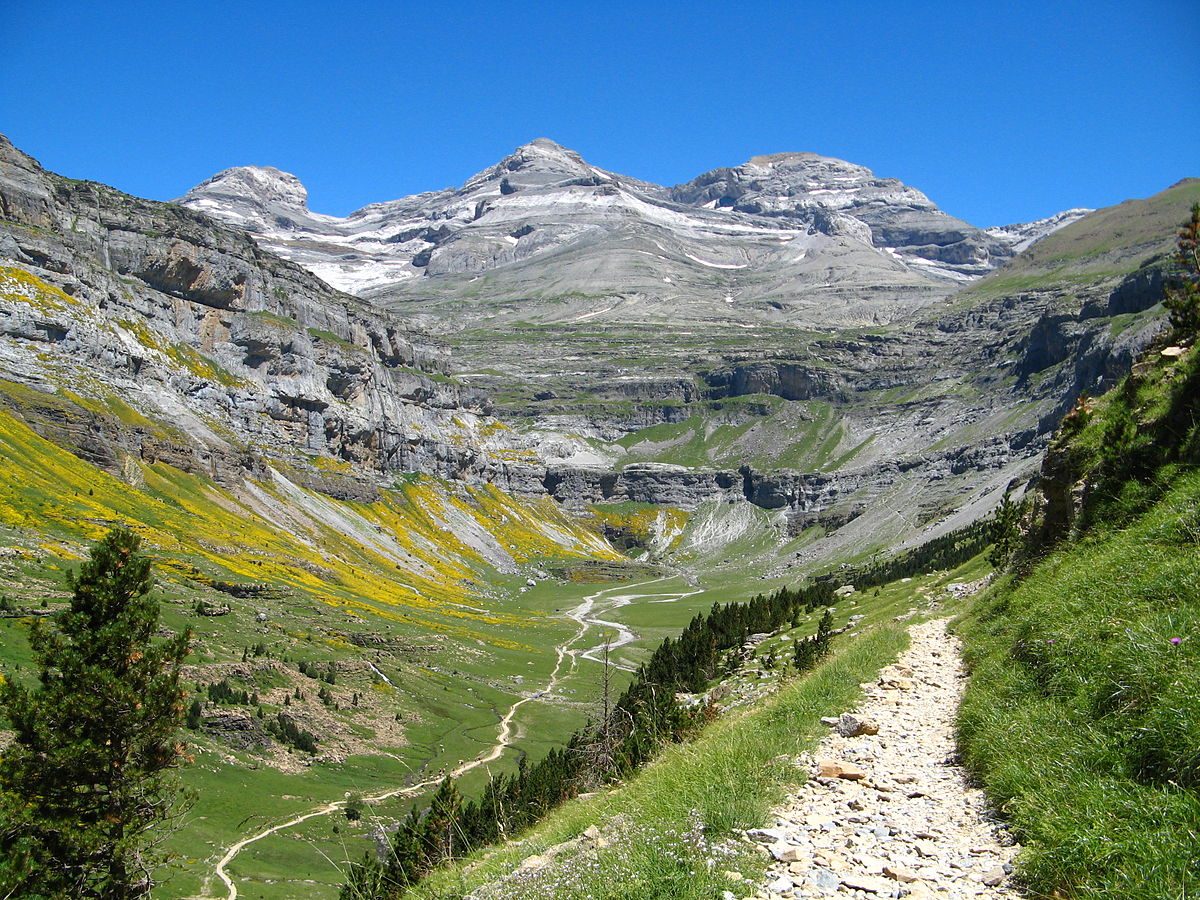
Pyrénées – Mont Perdu World Heritage Site
Overview
The Pyrénées – Mont Perdu World Heritage Site straddles the border between France and Spain, showcasing some of the most dramatic and picturesque mountain scenery in the Pyrenees range. This UNESCO World Heritage Site is not only a haven for nature lovers but also a place steeped in cultural significance, with its unique blend of natural and human history. The site includes a remarkable array of geological features, including limestone cliffs, deep valleys, and diverse ecosystems that support a variety of flora and fauna.
The region is renowned for its natural beauty, but it also tells the story of centuries of human habitation and interaction with the landscape. From ancient pastoral practices to modern conservation efforts, the Pyrénées – Mont Perdu represents a vital chapter in both cultural and environmental history. Visitors can explore this magnificent area through its network of trails and viewpoints, each offering a different perspective on the stunning scenery and rich heritage.
For those seeking adventure, tranquility, or a deeper understanding of the cultural landscape, the Pyrénées – Mont Perdu promises an enriching experience that captivates the heart and mind.
History and Significance
The Pyrénées – Mont Perdu area has long been inhabited, with evidence suggesting that humans have settled in this region for thousands of years. This rich history is reflected in the diverse cultural practices that have emerged over time as communities adapted to the challenging mountain environment. The site showcases traditional pastoralism, where the seasonal movements of livestock between summer and winter pastures reflect a lifestyle that harmonizes with the natural landscape.
The cultural significance of the region is highlighted by its inclusion in the UNESCO World Heritage list, which recognizes the exceptional universal value of its cultural and natural heritage. The site’s human elements, including historical paths, settlements, and agricultural practices, interact profoundly with its natural landscape. These interactions have shaped not only the physical environment but also the cultural identity of the local communities.
Additionally, the geological features of the Pyrénées – Mont Perdu are of great scientific interest. The area is characterized by its unique karst formations, which have been shaped by millions of years of geological processes. The cliffs and valleys exhibit a complex system of caves and underground rivers, making it a significant location for research in geology and ecology. This blend of cultural and natural heritage makes the Pyrénées – Mont Perdu a vital site for understanding the relationship between humans and their environment.
Architecture and Features
The architecture within the Pyrénées – Mont Perdu World Heritage Site is not defined by grand structures but rather by the integration of human habitats with the mountainous landscape. Traditional stone structures, including shepherd huts and rustic farms, dot the terrain, reflecting the historical pastoral lifestyle that has persisted for centuries. These buildings are often crafted from local stone, harmonizing with the natural environment and showcasing a blend of functionality and simplicity.
The site is also known for its impressive geological features, particularly its limestone cliffs and deep gorges. Notable formations include the iconic Mont Perdu, which rises dramatically above the surrounding landscape and serves as a focal point for climbers and hikers alike. The sheer cliffs and deep valleys provide a striking contrast, creating a dramatic visual spectacle that draws nature enthusiasts from around the world.
In addition to its natural beauty, the Pyrénées – Mont Perdu is home to diverse ecosystems, ranging from lush meadows to rocky alpine habitats. This variety supports a rich biodiversity that includes numerous endemic species, making it an important area for conservation efforts. The interplay between the natural and human-made elements within the site creates a unique character that is both captivating and educational.
Visiting Information
Visiting the Pyrénées – Mont Perdu World Heritage Site offers a variety of experiences for nature lovers and cultural enthusiasts alike. The site is accessible by road, with several entry points available for those traveling by car. Public transportation options may be limited, so it is advisable to check the official website for current information regarding transportation routes and schedules.
Once at the site, visitors can explore a network of trails suitable for various levels of fitness and experience. Hiking is one of the most popular activities, with routes leading to breathtaking viewpoints and historical sites. The time needed for a visit can vary widely depending on individual interests, but many find that a full day allows for a satisfying exploration of key areas.
For those interested in the best times to visit, late spring and early autumn often provide pleasant weather, ideal for outdoor activities. However, for winter sports enthusiasts, the site also offers opportunities for skiing and snowshoeing during the colder months. It is important to check the official website for current information on seasonal conditions and available facilities.
Nearby Attractions
- Ordesa y Monte Perdido National Park: Located in Spain, this national park is adjacent to the Pyrénées – Mont Perdu and offers stunning hiking opportunities and rich biodiversity.
- Gavarnie-Gèdre: Known for its impressive waterfall and picturesque village, Gavarnie-Gèdre provides a gateway to diverse outdoor activities.
- Pic du Midi de Bigorre: This peak offers spectacular panoramic views of the surrounding mountains and houses an observatory that is open to the public.
- Cauterets: A charming spa town, Cauterets is renowned for its thermal springs and provides access to scenic hiking trails and ski slopes.
- Saint-Lary-Soulan: This ski resort town is popular for winter sports and also offers summer activities, including hiking and mountain biking.
Insider Tips
For photography enthusiasts, the golden hours of early morning and late afternoon provide the best light for capturing the stunning landscapes of the Pyrénées – Mont Perdu. Consider bringing a zoom lens to capture the wildlife that inhabits the area, as well as a wide-angle lens to frame the dramatic mountain vistas.
To avoid crowds, plan your visit during weekdays or in the shoulder seasons, such as late spring or early autumn. Early morning hikes can also provide a more tranquil experience as the sun rises over the peaks.
Practical Information
When planning a visit to the Pyrénées – Mont Perdu, it is essential to bring suitable outdoor gear. Sturdy hiking boots, weather-appropriate clothing, and a good backpack are recommended for comfort and safety. Additionally, carrying enough water and snacks is advisable, as amenities may be limited in remote areas.
Seasonal considerations are important, as the weather can change rapidly in the mountains. Be prepared for varying conditions and inform yourself about the current weather forecasts before setting out on any hike or outdoor activity.
Frequently Asked Questions
How long should I spend visiting?
A full day is recommended to explore key trails and viewpoints, but those looking for a more in-depth experience may choose to stay longer.
Is photography allowed?
Yes, photography is allowed, but be mindful of wildlife and the natural environment.
Are there guided tours?
Check the official website for information on available guided tours and local guides who can enhance your experience.
What’s the best time to visit?
Late spring and early autumn are ideal for pleasant weather, while winter attracts ski enthusiasts.
Is it wheelchair accessible?
Access may vary by location; check the official website for details on specific trails and facilities.
Can I buy tickets online?
Check the official website for information on ticket availability and purchasing options.
Are there restrooms and cafes?
Facilities may be limited; it’s advisable to bring your own supplies for extended hikes.
What should I wear?
Wear comfortable, weather-appropriate clothing suitable for hiking, and sturdy footwear. Layering is recommended to adjust to changing temperatures.
More in Occitanie
Agathe
📍 Gaul, France
Agathe is an evocative archaeological site that offers a glimpse into the life and culture of an ancient Greek settlement in Gaul. Situated at …
Allées funéraires de Lumé
📍 Fargues-sur-Ourbise, France
The Allées funéraires de Lumé, located in the tranquil region of Fargues-sur-Ourbise, France, is an archaeological site that offers a unique glimpse …

Anderitum
📍 Javols, France
Anderitum, located in the historic region of Javols in Lozère, France, is an archaeological site that transports visitors into the heart of …

Aqueduc de Castries
📍 Castries, France
The Aqueduc de Castries, situated in the Hérault region of France, is a remarkable engineering feat that dates back to the 18th century. Constructed …

Arago cave
📍 Tautavel, France
Situated in the picturesque region of Tautavel, the Arago Cave is an archaeological site of great importance, particularly for its contributions to …

Barrails Viaduct
📍 Arveyres, France
The Barrails Viaduct, a striking bridge in the heart of Arveyres, France, serves as a vital connection in the country’s transportation network while …

Bibliothèque municipale fonds ancien du Pays de Cahors
📍 Cahors, France
The Bibliothèque municipale fonds ancien du Pays de Cahors is more than just a library; it is a repository of knowledge and culture that has played a …
More UNESCO World Heritage

29th Division Memorial
📍 Beaumont-Hamel, France
The 29th Division Memorial serves as a solemn remembrance of the bravery and sacrifice of the soldiers from the 29th Division, who fought valiantly …

Beaumont-Hamel Newfoundland Memorial Park
📍 Auchonvillers, France
The Beaumont-Hamel Newfoundland Memorial Park stands as a significant tribute to the Newfoundland Regiment, which bravely fought during the Battle of …

Cathedral of Notre-Dame, Former Abbey of Saint-Rémi and Palace of Tau, Reims
📍 Reims, France
Reims, the capital of the Champagne region in northeastern France, is an important city steeped in history and culture. Among its most significant …

Memorial stones and tombs of Petit Donon
📍 Grandfontaine, France
Located in the picturesque region of Grandfontaine, the Memorial Stones and Tombs of Petit Donon are dedicated to the memory of soldiers who perished …
Monument of the Executed at Fleury-devant-Douaumont
📍 Fleury-devant-Douaumont, France
Situated in the heart of the Meuse department, the Monument of the Executed at Fleury-devant-Douaumont stands as a solemn reminder of the sacrifices …

Muslim Monument of Douaumont
📍 Fleury-devant-Douaumont, France
The Muslim Monument of Douaumont is a significant war memorial situated in the serene landscape of Fleury-devant-Douaumont, a town steeped in the …

Neuville-Saint-Vaast Czechoslovakian Cemetery
📍 Neuville-Saint-Vaast, France
The Neuville-Saint-Vaast Czechoslovakian Cemetery serves as a poignant reminder of the sacrifices made by Czechoslovak soldiers during World War I. …