


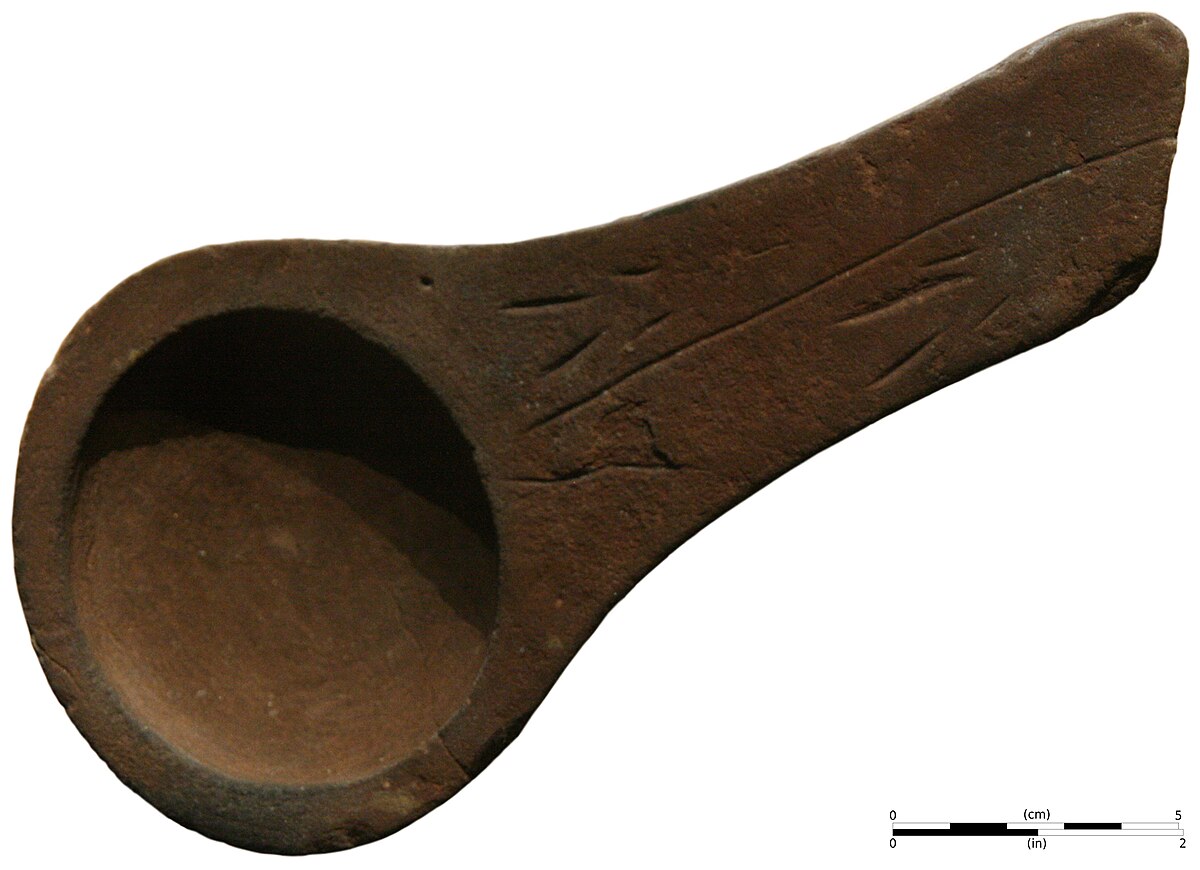

Prehistoric Sites and Decorated Caves of the Vézère Valley
Overview
The Vézère Valley, located in the heart of the Dordogne region of France, is a remarkable area distinguished by its stunning prehistoric sites and decorated caves. This UNESCO World Heritage Site is home to some of the most significant examples of prehistoric art, created thousands of years ago by our ancestors. The valley’s unique geological features, combined with its rich archaeological history, make it a compelling destination for those interested in understanding the evolution of human expression and culture.
The decorated caves, which include renowned sites such as Lascaux and Font-de-Gaume, showcase intricate paintings and carvings that depict a wide array of animals and symbols. These artworks are not only aesthetically impressive but also offer insights into the lives, beliefs, and environments of prehistoric peoples. Visitors to the Vézère Valley can immerse themselves in this extraordinary legacy, experiencing firsthand the creativity and skill of early humans while exploring the natural beauty of the region.
In addition to its artistic heritage, the valley is surrounded by lush landscapes and charming villages, making it a perfect spot for exploration and adventure. The combination of historical significance, natural beauty, and cultural richness promises an unforgettable experience for travelers seeking to delve into the depths of human history.
History and Significance
The Prehistoric Sites and Decorated Caves of the Vézère Valley hold immense cultural and historical significance, tracing back to the Upper Paleolithic period, approximately 40,000 years ago. During this time, early humans began to express themselves through art, creating intricate images on cave walls that reflect their environment, beliefs, and social structures.
The most famous of these sites, the Lascaux Caves, are particularly noteworthy for their vivid depictions of animals such as horses, deer, and bison. These images are believed to have held ritualistic or symbolic meanings, possibly serving as a means of communication or expression of spiritual beliefs. The discovery of Lascaux in 1940 marked a pivotal moment in the understanding of prehistoric art, revealing the complexity of human thought long before the advent of written language.
In addition to Lascaux, the caves of Font-de-Gaume and numerous others in the valley contribute to the rich tapestry of prehistoric art in the region. They illustrate not only the artistic capabilities of early humans but also their interactions with the environment and the animals that inhabited it. The caves are a direct link to our prehistoric ancestors, offering invaluable insights into their daily lives, survival strategies, and cultural practices.
As UNESCO recognizes, the Vézère Valley is a crucial site for understanding the evolution of human creativity and the development of cultural identity. The preservation of these sites is essential for future generations, ensuring that the legacy of our ancestors continues to inform and inspire.
Architecture and Features
The Prehistoric Sites and Decorated Caves of the Vézère Valley are not only significant for their artistic content but also for their geological and architectural characteristics. The caves are primarily limestone formations that have been shaped by natural processes over millennia, creating a unique environment for the art to be displayed.
The most famous caves, such as Lascaux, feature vast chambers and narrow passageways that lead to stunning galleries of artwork. The walls of these caves are often adorned with intricate paintings and engravings, showcasing a range of techniques from simple outlines to detailed depictions of animals. The use of natural pigments derived from minerals and plants demonstrates the ingenuity of prehistoric artists in utilizing available resources to create enduring works of art.
Font-de-Gaume, another significant site, is known for its polychrome paintings, where multiple colors were applied to enhance the visual impact of the imagery. Visitors can observe how the artists skillfully employed shading and perspective to create a sense of depth and realism in their representations of animals.
In addition to the artwork, the caves themselves contribute to the atmosphere of these sites. The cool, dark interiors provide a stark contrast to the outside world, allowing visitors to step into a space that has remained largely unchanged for thousands of years. This setting not only enhances the experience of viewing the art but also evokes a sense of connection to the past, immersing visitors in the world of prehistoric humans.
Visiting Information
Visiting the Prehistoric Sites and Decorated Caves of the Vézère Valley offers a unique opportunity to explore ancient art and history. The region is accessible by various means of transport. The nearest major city is Bordeaux, which is approximately 200 kilometers away, and visitors can reach the valley by car or via public transport options.
Each cave site has its own visitor center, which provides essential information about the site, guided tours, and educational resources. It is recommended to check the official website for current information on hours, prices, and guided tour availability, as these can vary throughout the year.
When planning your visit, consider dedicating at least half a day to explore one or two of the major sites, allowing ample time to appreciate the artwork and absorb the historical context. The best times to visit are during the spring and fall months when the weather is mild, and the tourist crowds are generally smaller.
Expect to experience a combination of guided tours and self-exploration at the sites. Due to the delicate nature of the art, strict preservation measures are in place, which may limit direct access to some areas. However, visitors can still enjoy rich visual experiences through well-lit pathways and informative signage.
Nearby Attractions
While the Vézère Valley is a destination in itself, several nearby attractions complement the prehistoric experience:
Sarlat-la-Canéda - This picturesque medieval town is known for its well-preserved architecture and vibrant market. A stroll through its narrow streets reveals charming shops and cafés.
Château de Beynac - Overlooking the Dordogne River, this historic castle offers stunning views and a glimpse into the region’s feudal past.
Les Eyzies-de-Tayac - Known as the capital of prehistory, this village features several museums dedicated to prehistoric culture, including the National Prehistory Museum.
Grotte de Rouffignac - Another cave system in the vicinity, Rouffignac is famous for its impressive engravings and can be explored via electric train.
Dordogne River - Enjoy canoeing or kayaking on the serene waters of the Dordogne, providing a different perspective of the scenic valley.
Insider Tips
To enhance your visit to the Prehistoric Sites and Decorated Caves of the Vézère Valley, consider these insider tips:
Photography: Be aware that photography may be restricted in some cave areas to protect the art. Always check the specific rules at each site before taking pictures.
Crowd Avoidance: To avoid peak crowds, aim to visit early in the morning or later in the afternoon, especially during the summer months when tourism is at its height.
Guided Tours: Opt for guided tours if available, as they provide deeper insights and context to the artwork and the history of the caves, enriching your experience.
Practical Information
When preparing for your visit to the Prehistoric Sites and Decorated Caves of the Vézère Valley, keep the following practical considerations in mind:
What to Bring: Dress in comfortable clothing and sturdy shoes, as cave tours may involve walking on uneven surfaces. A light jacket is advisable, as cave temperatures can be cooler than outside.
Seasonal Considerations: The region experiences a mild climate, but summer can be hot. Spring and fall are ideal for outdoor exploration due to pleasant weather conditions.
Visitor Facilities: Most sites have visitor centers with restrooms and cafes, but it’s wise to check specific site amenities beforehand.
Frequently Asked Questions
How long should I spend visiting?
Plan to spend at least half a day per cave site. Allow extra time if you wish to explore additional attractions in the area.
Is photography allowed?
Photography policies vary by site. Always check for specific guidelines before taking photos, as some areas may prohibit it to protect the artwork.
Are there guided tours?
Yes, many sites offer guided tours, providing informative insights into the art and history of the caves.
What’s the best time to visit?
The best times to visit are during the spring and fall when temperatures are mild, and tourist crowds are less intense.
Is it wheelchair accessible?
Accessibility varies by site, and some cave areas may have limited access. It is advisable to check individual site accessibility information ahead of your visit.
Can I buy tickets online?
Many sites offer online ticket sales. Check the official websites for the most current information regarding ticket availability and purchasing options.
Are there restrooms and cafes?
Most major sites have visitor centers equipped with restrooms and cafes. However, it’s advisable to confirm this before your visit.
What should I wear?
Wear comfortable clothing and sturdy footwear suitable for walking. Consider bringing a light jacket for cooler cave temperatures.
Photo Gallery
More in Nouvelle-Aquitaine

amphitheatre of Bordeaux
📍 Bordeaux, France
The amphitheatre of Bordeaux is a monumental reminder of the city’s Roman past, standing as a testament to the grandeur of ancient entertainment …

Ancient Roman circus of Vienne
📍 Vienne, France
The Ancient Roman circus of Vienne is one of the most significant remnants of Roman architecture in France, providing a glimpse into the social and …

Ancient Roman sites in Sanxay
📍 Sanxay, France
Located in the picturesque region of Sanxay, France, the Ancient Roman sites provide a remarkable glimpse into the architectural and cultural …

Andone Castrum
📍 Villejoubert, France
The Andone Castrum, situated in the serene region of Villejoubert, France, stands as a significant archaeological site that reflects the military …

Archeological site of Châteauneuf-sur-Charente
📍 Châteauneuf-sur-Charente, France
Châteauneuf-sur-Charente, a charming town in southwestern France, is home to an archaeological site that offers a fascinating glimpse into the past. …
Avaricum
📍 Bourges, France
Avaricum, located near the modern city of Bourges in central France, is an archaeological site that offers a fascinating glimpse into the life of …
Burdigala
📍 Gallia Aquitania, France
Burdigala, the ancient Latin name for Bordeaux, France, serves as a remarkable archaeological site that offers visitors a glimpse into the region’s …
More UNESCO World Heritage

29th Division Memorial
📍 Beaumont-Hamel, France
The 29th Division Memorial serves as a solemn remembrance of the bravery and sacrifice of the soldiers from the 29th Division, who fought valiantly …

Beaumont-Hamel Newfoundland Memorial Park
📍 Auchonvillers, France
The Beaumont-Hamel Newfoundland Memorial Park stands as a significant tribute to the Newfoundland Regiment, which bravely fought during the Battle of …

Cathedral of Notre-Dame, Former Abbey of Saint-Rémi and Palace of Tau, Reims
📍 Reims, France
Reims, the capital of the Champagne region in northeastern France, is an important city steeped in history and culture. Among its most significant …

Memorial stones and tombs of Petit Donon
📍 Grandfontaine, France
Located in the picturesque region of Grandfontaine, the Memorial Stones and Tombs of Petit Donon are dedicated to the memory of soldiers who perished …
Monument of the Executed at Fleury-devant-Douaumont
📍 Fleury-devant-Douaumont, France
Situated in the heart of the Meuse department, the Monument of the Executed at Fleury-devant-Douaumont stands as a solemn reminder of the sacrifices …

Muslim Monument of Douaumont
📍 Fleury-devant-Douaumont, France
The Muslim Monument of Douaumont is a significant war memorial situated in the serene landscape of Fleury-devant-Douaumont, a town steeped in the …

Neuville-Saint-Vaast Czechoslovakian Cemetery
📍 Neuville-Saint-Vaast, France
The Neuville-Saint-Vaast Czechoslovakian Cemetery serves as a poignant reminder of the sacrifices made by Czechoslovak soldiers during World War I. …