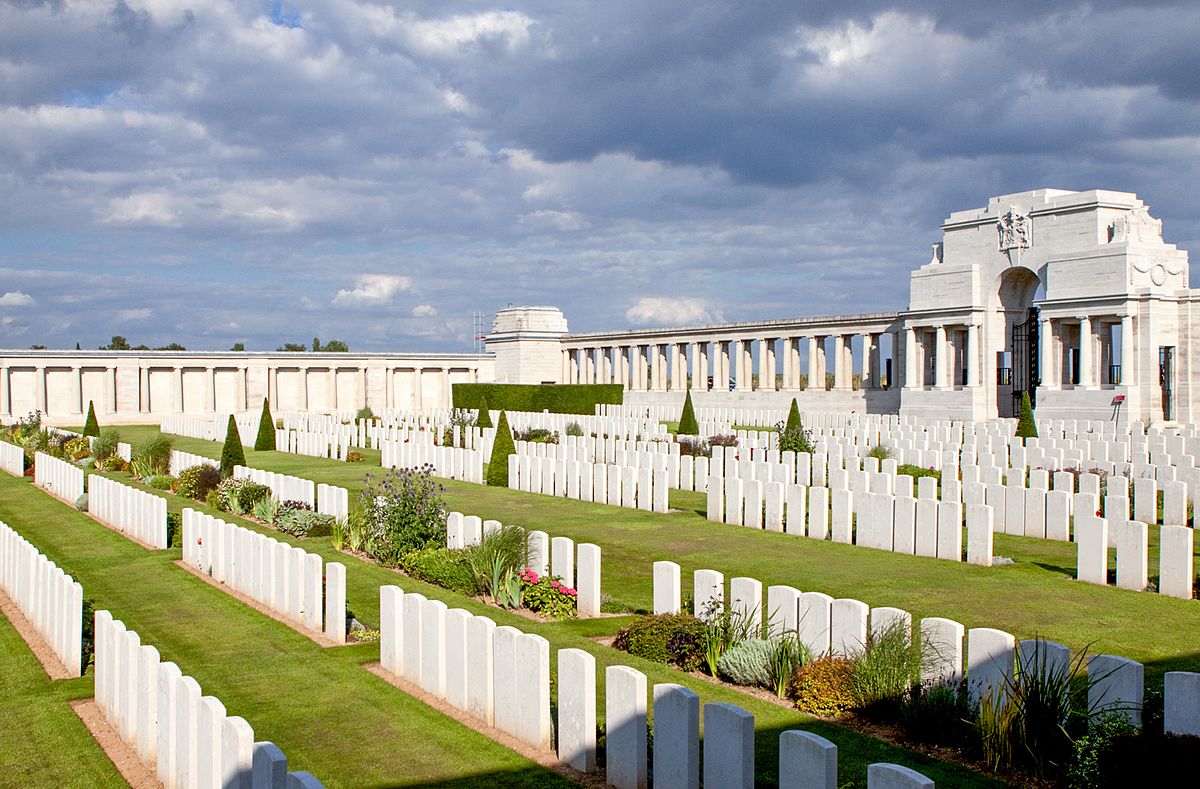


Pozieres British Cemetery
Overview
The Pozieres British Cemetery, situated in the heart of the historic Somme region of France, serves as a poignant reminder of the sacrifices made during World War I. Established to commemorate the soldiers who lost their lives in one of the conflict’s most brutal battles, this cemetery holds deep cultural significance for visitors from around the world. The site is particularly notable for its serene landscape, meticulously maintained by the Commonwealth War Graves Commission, which reflects the respect and honor afforded to those who fought for their countries.
As you explore the cemetery, you will encounter rows of white headstones, each marking a life cut short, and inscriptions that tell stories of bravery and duty. The cemetery is more than just a resting place; it stands as a symbol of remembrance, drawing visitors to reflect on the impact of war and the importance of peace. The surrounding area, rich in historical context, enhances the experience, offering insights into the larger narrative of the Great War.
History and Significance
The Pozieres British Cemetery is part of the extensive network of cemeteries established to memorialize the fallen soldiers of World War I. Located on the site of fierce fighting during the Battle of the Somme in 1916, Pozieres was a strategic point for the Allied forces. The village itself was captured and recaptured multiple times, leading to significant loss of life.
The cemetery was created to provide a final resting place for the many soldiers who died in this area, particularly those who were casualties of the intense combat that characterized the summer of 1916. Many of the soldiers commemorated here were members of the British and Commonwealth forces, and their sacrifices resonate deeply within the context of the war’s broader narrative.
The significance of the Pozieres British Cemetery extends beyond its tranquil grounds; it embodies the collective memory of nations involved in the war. Visitors from various countries come to pay their respects, ensuring that the stories of these brave individuals are not forgotten. The cemetery also serves as a vital educational resource, highlighting the human cost of conflict and the importance of remembrance in fostering a more peaceful future.
Architecture and Features
The design of the Pozieres British Cemetery reflects the principles of the Commonwealth War Graves Commission, which aims to create dignified and respectful memorials for the fallen. The cemetery features neatly arranged rows of headstones, each uniquely inscribed with the names of the soldiers, their regiments, and dates of death. The use of Portland stone for the headstones is a characteristic feature, providing a uniform yet personal touch to the memorial.
One of the notable aspects of the cemetery is its serene layout, which encourages contemplation and reflection. The carefully maintained lawns and flower beds add to the peaceful ambiance. Scattered throughout the cemetery are memorials and plaques that provide context and honor the contributions of various regiments and units that fought in the Somme.
The simplicity of the architecture serves to emphasize the solemnity of the site. There are no elaborate structures; instead, the focus remains on the headstones and the stories they represent. This minimalist approach is intentional, allowing visitors to engage with the emotional weight of the site without distraction.
Visiting Information
Visiting the Pozieres British Cemetery is a poignant experience, and planning ahead can enhance your visit. The cemetery is accessible by road, with parking available nearby. It is advisable to check the official website for current information regarding opening hours and any potential changes to visitor access.
When you arrive, you can expect a peaceful environment conducive to reflection. The cemetery is generally quiet, and the layout allows for easy navigation. A typical visit might take about 30 minutes to an hour, depending on your level of engagement with the site.
The best times to visit are during the spring and autumn months, when the weather is mild and the surrounding landscapes are particularly beautiful. Early mornings or late afternoons can provide a quieter experience, allowing for more personal reflection.
Nearby Attractions
The Somme Museum: Located in nearby Peronne, this museum provides an in-depth look at the events of the Somme, featuring artifacts and exhibits that capture the wartime experience.
Thiepval Memorial: A short drive from Pozieres, this monumental arch commemorates the missing British and South African soldiers who died on the Somme and has become an iconic symbol of remembrance.
Lochnagar Crater: This large crater, formed by a mine explosion during the Battle of the Somme, serves as a stark reminder of the destructive power of war and is a site of historical interest.
Ulster Tower: Situated on the site of the Battle of the Somme, this tower is a memorial to the soldiers of the 36th (Ulster) Division and offers insights into their experiences during the conflict.
Beaumont-Hamel Newfoundland Memorial: A memorial site dedicated to the Newfoundland Regiment, this area preserves the landscape as it was during the battle and includes informative trails and exhibits.
Insider Tips
When visiting Pozieres British Cemetery, consider arriving early in the day to avoid crowds, particularly during peak tourist seasons. This will allow for a more intimate experience with the site.
For photography enthusiasts, the soft morning or late afternoon light creates an ideal setting for capturing the serene beauty of the cemetery. Be respectful of the site, keeping in mind that this is a place of remembrance; candid photography is generally more appropriate than posed shots.
Practical Information
When planning your visit, ensure to bring comfortable walking shoes, as the cemetery grounds may require some walking. A water bottle and light snacks are also advisable, particularly if you plan to explore the surrounding area.
Seasonal considerations are important as well; the spring and summer months offer pleasant weather, while winter can be quite cold and damp. Always check the official website for information on any events or ceremonies that may be taking place during your visit.
Frequently Asked Questions
How long should I spend visiting?
A visit to Pozieres British Cemetery typically takes 30 minutes to an hour, depending on your level of engagement.
Is photography allowed?
Yes, photography is generally allowed, but please be respectful of the site and the memories it holds.
Are there guided tours?
While there may not be specific guided tours at the cemetery itself, local historical societies or museums in the area often offer tours that include visits to multiple memorial sites.
What’s the best time to visit?
Spring and autumn are ideal for visiting due to mild weather, with early mornings or late afternoons providing a quieter experience.
Is it wheelchair accessible?
The cemetery is designed to be accessible to visitors, but it is advisable to check for specific accessibility features on the official website before your visit.
Can I buy tickets online?
There is no entrance fee for Pozieres British Cemetery, so tickets are not required.
Are there restrooms and cafes?
Facilities may not be available directly at the cemetery, so it’s best to plan ahead and use nearby facilities in the surrounding towns.
What should I wear?
Dress comfortably and appropriately for the weather, keeping in mind that this is a solemn site of remembrance.
Photo Gallery
More in Pays de la Loire
aqueduc de Barberèche
📍 Vitry-en-Charollais, France
The aqueduc de Barberèche is an intriguing piece of engineering located in the tranquil region of Vitry-en-Charollais in Saône-et-Loire, France. This …
aqueduc de l'Étang Brûlé
📍 Blanzy, France
The aqueduc de l’Étang Brûlé, situated in Blanzy within the Saône-et-Loire department of France, is an architectural marvel that reflects the …
aqueduc de la Roche
📍 Blanzy, France
The aqueduc de la Roche stands as a remarkable example of 19th-century engineering, situated in Blanzy, Saône-et-Loire. This aqueduct not only served …
aqueduc de la Tourbière
📍 La Truchère, France
The aqueduc de la Tourbière is an impressive example of early engineering ingenuity located in the tranquil region of La Truchère, Saône-et-Loire, …
aqueduc des Miraux
📍 Blanzy, France
The aqueduc des Miraux is a remarkable piece of engineering situated in Blanzy, a town in the Saône-et-Loire department of France. This aqueduct …
Bellancourt Communal Cemetery
📍 Bellancourt, France
The Bellancourt Communal Cemetery, located in the picturesque region of Somme in northern France, serves as a poignant reminder of the past, …
bibliothèque Paul Éluard
📍 Nantes, France
The bibliothèque Paul Éluard serves as a pivotal cultural resource within Nantes, a vibrant city located in the west of France. This modern library …
More UNESCO World Heritage

29th Division Memorial
📍 Beaumont-Hamel, France
The 29th Division Memorial serves as a solemn remembrance of the bravery and sacrifice of the soldiers from the 29th Division, who fought valiantly …

Beaumont-Hamel Newfoundland Memorial Park
📍 Auchonvillers, France
The Beaumont-Hamel Newfoundland Memorial Park stands as a significant tribute to the Newfoundland Regiment, which bravely fought during the Battle of …

Cathedral of Notre-Dame, Former Abbey of Saint-Rémi and Palace of Tau, Reims
📍 Reims, France
Reims, the capital of the Champagne region in northeastern France, is an important city steeped in history and culture. Among its most significant …

Memorial stones and tombs of Petit Donon
📍 Grandfontaine, France
Located in the picturesque region of Grandfontaine, the Memorial Stones and Tombs of Petit Donon are dedicated to the memory of soldiers who perished …
Monument of the Executed at Fleury-devant-Douaumont
📍 Fleury-devant-Douaumont, France
Situated in the heart of the Meuse department, the Monument of the Executed at Fleury-devant-Douaumont stands as a solemn reminder of the sacrifices …

Muslim Monument of Douaumont
📍 Fleury-devant-Douaumont, France
The Muslim Monument of Douaumont is a significant war memorial situated in the serene landscape of Fleury-devant-Douaumont, a town steeped in the …

Neuville-Saint-Vaast Czechoslovakian Cemetery
📍 Neuville-Saint-Vaast, France
The Neuville-Saint-Vaast Czechoslovakian Cemetery serves as a poignant reminder of the sacrifices made by Czechoslovak soldiers during World War I. …