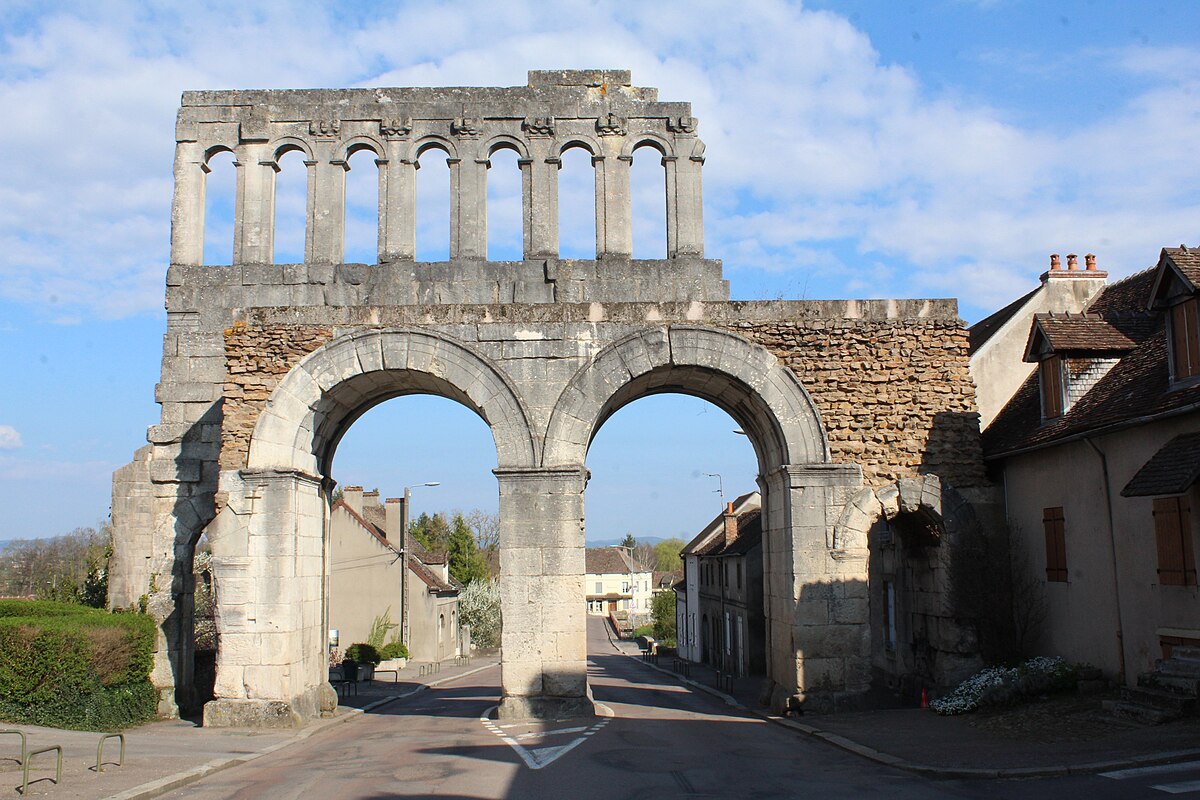


Porte d'Arroux
Overview
The Porte d’Arroux, located in the historic town of Autun in the Saône-et-Loire region of France, serves as a striking remnant of the city’s Roman past. This impressive archaeological site features one of the best-preserved Roman gates in the country, allowing visitors to glimpse the grandeur of ancient engineering and urban planning. The gate, dating back to the 1st century AD, is adorned with intricate carvings and stands as a testament to the architectural skills of the Romans, making it a significant landmark for both history enthusiasts and casual visitors alike.
Autun, a town that flourished during Roman times, was strategically positioned along major trade routes and served as an essential hub for commerce and culture. The Porte d’Arroux not only signifies the entrance to this historic city but also reflects the broader narrative of Roman influence in northern Europe. As you visit, you will find that the gate is not just a monument; it is a portal to understanding the lifestyle, governance, and artistry of a civilization that shaped much of modern Europe.
The site is easily accessible, inviting travelers to immerse themselves in the rich history of Autun. Surrounded by the scenic beauty of the Burgundy region, the Porte d’Arroux offers a unique blend of cultural heritage and natural landscapes, making it a must-see for anyone exploring this part of France.
History and Significance
The Porte d’Arroux is part of the ancient city of Augustodunum, the Roman name for Autun, which was founded by the Romans in the 1st century BC. The town was established by Emperor Augustus, who aimed to create a significant administrative center in Gaul. The gate itself was constructed around the same period, serving as a crucial entry point into the city and showcasing the importance of Autun as a regional capital.
Historically, the Porte d’Arroux played a vital role in the defense and urban planning of the city. Its strategic location allowed for better control of trade and movement, reflecting the Romans’ meticulous approach to city design. The gate is characterized by its robust construction, featuring thick walls and a strong arch, which have withstood the test of time.
The architectural details of the Porte d’Arroux are particularly noteworthy. The structure is embellished with reliefs that depict various scenes, possibly related to Roman mythology or military victories, underscoring the cultural significance of the site. These artistic elements not only served decorative purposes but also communicated messages about power and prestige to visitors and citizens alike.
Over the centuries, the Porte d’Arroux has undergone several restorations, ensuring its preservation for future generations. Today, it stands as a powerful symbol of Autun’s historical legacy, drawing visitors interested in the Roman era and the evolution of urban centers in Europe.
Architecture and Features
The Porte d’Arroux is a remarkable example of Roman architecture, featuring a grand archway that measures approximately 5.2 meters wide. The structure is constructed from local limestone, which contributes to its enduring strength and aesthetic appeal. As you approach the gate, you will notice the impressive thickness of the walls, designed to withstand potential sieges and attacks.
One of the most striking features of the Porte d’Arroux is its intricate carvings, which include motifs that are characteristic of Roman art. These details not only enhance the visual impact of the gate but also provide insight into the artistic styles prevalent during the Roman Empire. The reliefs may depict scenes of deities, symbols of power, or local legends, adding depth to the historical narrative of the site.
The gate is flanked by two massive towers, which served as both defensive structures and watchtowers for sentinels keeping an eye on the approaches to the city. These towers are a testament to Roman engineering, showcasing their ability to blend functionality with form.
Visitors to the Porte d’Arroux can appreciate the meticulous craftsmanship that has allowed the gate to endure through centuries of weathering and change. The surrounding area has been landscaped to enhance the visitor experience, providing a serene environment for reflection and exploration.
Visiting Information
Visiting the Porte d’Arroux is a rewarding experience for anyone interested in history and architecture. The site is conveniently located within the town of Autun, making it easily accessible by foot or car. For those traveling by public transport, the nearest train station is in Autun, from where local buses or a short walk can take you to the gate.
Check the official website for current information regarding hours and prices. It’s advisable to allocate at least an hour for your visit to fully appreciate the gate and its surroundings. The best times to visit are during spring or early autumn when the weather is mild, making for a pleasant exploration of the site.
When you arrive, expect to find informative signage that provides context about the history and significance of the Porte d’Arroux. Guided tours may also be available, offering deeper insights into the architectural features and historical narratives associated with the gate.
As you explore, take the time to walk around the site to capture different perspectives of the gate and its intricate details. The area surrounding the Porte d’Arroux is well-kept, providing a peaceful atmosphere for visitors to enjoy.
Nearby Attractions
While the Porte d’Arroux is a highlight in its own right, several other attractions in and around Autun are worth exploring:
Temple of Janus: Located a short distance from the Porte d’Arroux, this Roman temple showcases the religious architecture of the time and offers a glimpse into the spiritual life of ancient Autun.
Autun Cathedral (Cathedrale Saint-Lazare d’Autun): A stunning example of Romanesque architecture, this cathedral is known for its impressive sculptures and rich history dating back to the 12th century.
The Roman Theatre: One of the best-preserved Roman theatres in France, it is located close to the city center and provides an insight into the entertainment culture of the Roman era.
Musée Rolin: This museum houses a collection of art and archaeological artifacts from the region, offering a broader context to the historical significance of Autun.
Mont Beuvray: Just a short drive from Autun, this site features the ruins of the ancient Gallic city of Bibracte and provides hiking opportunities with panoramic views of the surrounding landscape.
Insider Tips
To make the most of your visit to the Porte d’Arroux, consider these insider tips:
Photography: Early morning or late afternoon provides the best natural lighting for photography. The gate is particularly stunning during these hours, casting long shadows that enhance its architectural features.
Crowd Avoidance: If you prefer a quieter experience, visit on weekdays or during the off-season. The site can become busy during weekends and holidays.
Guided Tours: Look out for local guides who offer tours that delve into the history of Autun and the significance of the Porte d’Arroux. This can enrich your understanding of the site.
Practical Information
When planning your visit to the Porte d’Arroux, keep these practical considerations in mind:
What to Bring: Comfortable walking shoes are recommended, as you will likely be exploring the area on foot. A camera is also a must for capturing the stunning details of the gate.
Seasonal Considerations: The weather in Autun can vary, so check the forecast before your visit. Spring and early autumn are ideal for pleasant temperatures, while summer can be hot.
Refreshments: While there may not be cafes directly at the site, nearby areas in Autun offer dining options where you can enjoy local cuisine.
Accessibility: The site is generally accessible, but it’s wise to check for any specific accessibility information if needed.
Frequently Asked Questions
How long should I spend visiting?
A visit to the Porte d’Arroux typically takes about an hour, allowing enough time to explore the site and take photographs.
Is photography allowed?
Yes, photography is allowed at the Porte d’Arroux, so be sure to capture the remarkable architecture and details.
Are there guided tours?
Guided tours may be available, offering deeper insights into the history and significance of the gate. Check local resources for options.
What’s the best time to visit?
Spring and early autumn are the best times to visit, offering mild weather and fewer crowds.
Is it wheelchair accessible?
The site is generally accessible, but it’s advisable to check for specific accessibility features beforehand.
Can I buy tickets online?
Check the official website for current information regarding ticket purchases and availability.
Are there restrooms and cafes?
While restrooms may not be directly on-site, nearby areas in Autun have facilities, along with cafes and restaurants for refreshments.
What should I wear?
Comfortable clothing and shoes are recommended, especially if you plan to explore the surrounding areas on foot.
Photo Gallery
More in Bourgogne-Franche-Comté

Ancien pont de pierre
📍 Pont-sur-Yonne, France
The Ancien pont de pierre, or Old Stone Bridge, is a landmark located in the quaint town of Pont-sur-Yonne in France. This bridge, which has stood the …

Aqueduc de Montreuillon
📍 Montreuillon, France
The Aqueduc de Montreuillon is an archaeological site located in the quaint region of Montreuillon, France. This remarkable structure is a testament …

Bibliothèque municipale de Dijon - Le Puits d'amour
📍 Dijon, France
The Bibliothèque municipale de Dijon - Le Puits d’amour serves as a vital cultural hub in the heart of Dijon, France. This library is not just a …

Camp préhistorique de Chassey-le-Camp
📍 Chassey-le-Camp, France
The Camp préhistorique de Chassey-le-Camp is a fascinating archaeological site located in the picturesque region of Chassey-le-Camp, France. This …
Champ de César
📍 Rully, France
The Champ de César, situated in the picturesque region of Rully, France, is an archaeological site that offers a fascinating glimpse into ancient …

Chapelle Bacchus
📍 Besançon, France
The Chapelle Bacchus, located in the historic city of Besançon, France, is a remarkable theatre building that reflects the artistic spirit of the …

Château de Montaigu (Saône-et-Loire)
📍 Mercurey, France
The Château de Montaigu, situated in the picturesque region of Mercurey in Saône-et-Loire, France, offers visitors a glimpse into the architectural …
More Archaeological Sites
A Figa
📍 France
A Figa presents a fascinating glimpse into the ancient past of Corsica, an island steeped in historical significance and natural beauty. Situated in …
Abattis Evrard
📍 Remire-Montjoly, France
Abattis Evrard is a notable archaeological site situated in Remire-Montjoly, a region of French Guiana. This site is essential for understanding the …
abri Audi
📍 Les Eyzies-de-Tayac-Sireuil, France
The abri Audi, situated in the picturesque region of Les Eyzies-de-Tayac-Sireuil in France, is a remarkable archaeological site that offers a glimpse …

Abri de Villepin
📍 France
The Abri de Villepin, located in the picturesque region of France, is an archaeological site that holds significant importance for understanding early …

Abri des pêcheurs
📍 Berrias-et-Casteljau, France
The Abri des pêcheurs, located in the picturesque region of Berrias-et-Casteljau, France, is a remarkable archaeological site that provides a window …

abri Gay
📍 Poncin, France
The abri Gay is an archaeological site situated in the picturesque region of Poncin, France. Renowned for its extensive prehistoric artifacts, this …

Adsilanum
📍 France
Adsilanum is an archaeological site located in the picturesque region of France. This site holds significant archaeological value, offering a glimpse …