
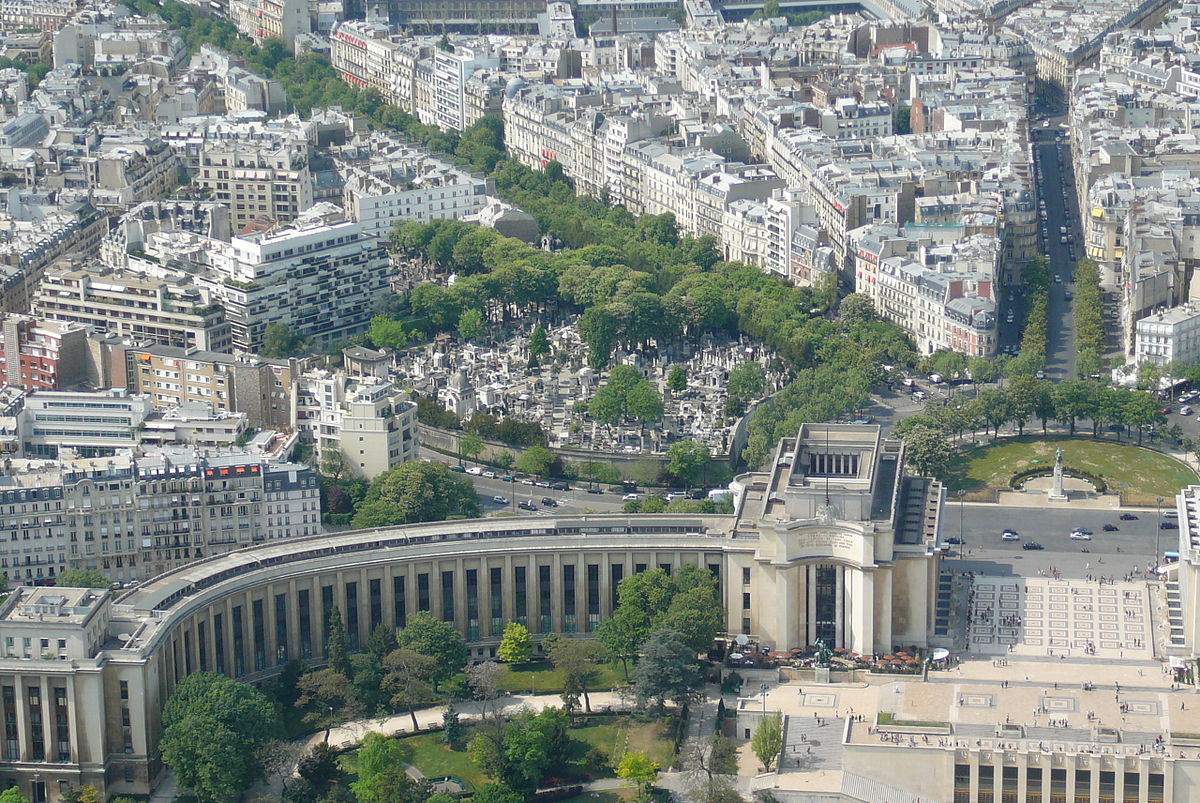


Passy Cemetery
Overview
Situated in one of Paris’s more affluent districts, Passy Cemetery is a tranquil oasis that offers a unique glimpse into the lives of some of France’s most notable citizens. Established in the early 19th century, this cemetery is not only a burial ground but also a place of historical significance, housing the graves of numerous artists, politicians, and intellectuals. Visitors are often drawn to its peaceful atmosphere, lush greenery, and the intricate artistry displayed in its tombs and monuments.
The cemetery covers a relatively compact area, making it an easily navigable site for those looking to explore its many features. With its elegant pathways and well-maintained gardens, Passy Cemetery provides a quiet retreat from the bustling energy of Paris, allowing for reflection amidst the stories of those who have shaped French culture and history.
As you wander through the cemetery, you may encounter beautiful sculptures and elaborate graves that reflect the artistic heritage of France. This site serves as a poignant reminder of the country’s rich past, inviting visitors to contemplate the legacies left behind by those interred here.
History and Significance
Passy Cemetery was established in the early 19th century, during a time when Paris was undergoing significant changes, both socially and architecturally. The cemetery was created to alleviate overcrowding in existing burial grounds and to cater to the needs of the growing population in the city. Its location in the 16th arrondissement, a district known for its affluence, provided a fitting context for a site dedicated to honoring the deceased.
Throughout its history, Passy Cemetery has become the final resting place for many illustrious individuals who made substantial contributions to French culture and society. Among its notable inhabitants are the composer Claude Debussy, the writer Paul Valéry, and the politician and writer André Gide. Each of these figures left a distinct mark on French history, making their graves significant not just for personal remembrance but also for cultural heritage.
The cemetery is also noteworthy for its architectural features, which reflect the artistic trends of the time. Many of the tombs are designed in the neoclassical style, showcasing intricate carvings and elaborate sculptures. This combination of art and history makes Passy Cemetery a site of both reverence and exploration, drawing visitors who are interested in the stories behind the names etched in stone.
Over the years, Passy Cemetery has maintained its status as a place of reflection and remembrance, attracting both locals and tourists. Its serene environment and the rich history of its inhabitants contribute to its significance as a cultural landmark in Paris.
Architecture and Features
Passy Cemetery is characterized by its serene layout and beautiful landscaping, making it a peaceful setting for reflection and exploration. As you enter the cemetery, you’ll find pathways lined with trees and neatly arranged tombstones, offering a sense of tranquility that contrasts with the urban landscape of Paris.
The architecture of the graves and monuments reflects various styles, predominantly neoclassical, which was popular during the cemetery’s establishment. Many of the tombs feature elaborate sculptures, intricate carvings, and decorative elements that showcase the skill of the artisans who created them. Notable graves include those of Claude Debussy and André Gide, where the artistry of the monuments pays homage to their contributions to French culture.
In addition to individual graves, the cemetery is home to several family mausoleums, some of which are quite grand. These structures often incorporate classical elements such as columns and pediments, creating an impressive visual impact. The use of marble and other fine materials adds to the aesthetic appeal of the site.
Lush greenery surrounds the tombs, with carefully manicured gardens that enhance the cemetery’s peaceful ambiance. Seasonal flowers bloom throughout the year, adding color and life to the surroundings. The combination of art, nature, and history creates a unique atmosphere that invites contemplation and exploration.
Visitors often find themselves drawn to the intricate details of the tombstones and sculptures, which tell stories of the lives and legacies of those buried here. The cemetery serves not only as a resting place but also as an open-air gallery, where art and history intertwine.
Visiting Information
Passy Cemetery is accessible via public transportation, with several metro stations located nearby. Visitors can reach the cemetery easily, making it a convenient stop for those exploring the 16th arrondissement. Check the official website for current information regarding opening hours and any potential entrance fees.
Upon arrival, visitors can expect a peaceful environment that encourages quiet reflection. The cemetery is relatively compact, allowing for a thorough exploration in a short amount of time. Most visitors find that a visit of about one to two hours is sufficient to appreciate the beauty and significance of the site.
Spring and early autumn are particularly lovely times to visit, as the gardens are in full bloom and the weather is generally mild. However, the cemetery is open year-round, and each season brings its own charm to the landscape.
As you explore Passy Cemetery, take your time to read the inscriptions on the tombstones and admire the artistry of the monuments. The cemetery is not only a place of remembrance but also an opportunity to connect with the cultural heritage of France.
Nearby Attractions
Trocadéro Gardens: Just a short distance from Passy Cemetery, these gardens offer stunning views of the Eiffel Tower and are an ideal spot for a leisurely stroll.
Palais de Chaillot: Located near the Trocadéro, this palace houses several museums and provides an excellent vantage point for photography.
Eiffel Tower: A short walk away, the iconic Eiffel Tower is a must-see attraction for any visitor to Paris.
Museum of Modern Art: Situated close to the Seine River, this museum features a diverse collection of modern and contemporary artworks.
Bois de Boulogne: This expansive park is perfect for a relaxing afternoon, offering walking paths, lakes, and picnic spots.
Insider Tips
For photography enthusiasts, early morning or late afternoon provides the best light for capturing the beauty of the cemetery. The soft glow of the sun enhances the intricate details of the sculptures and tombstones, creating a serene atmosphere.
To avoid crowds, consider visiting during weekdays or earlier in the day. The cemetery is generally less busy during these times, allowing for a more intimate experience.
While exploring, take the time to sit on one of the benches and absorb the peaceful surroundings. This cemetery is designed for contemplation, and pausing to reflect can be a rewarding part of your visit.
Practical Information
When visiting Passy Cemetery, it is advisable to wear comfortable shoes, as you will likely be walking along paved paths and grassy areas. Additionally, consider dressing in layers, as the weather can change throughout the day.
Bring a camera to capture the stunning artistry of the tombs, but remember to be respectful of the space and the significance it holds.
During the warmer months, you may want to bring water and snacks, as amenities within the cemetery are limited. However, nearby cafés and shops provide options for refreshments before or after your visit.
Frequently Asked Questions
How long should I spend visiting?
Most visitors find that one to two hours is sufficient to explore Passy Cemetery thoroughly.
Is photography allowed?
Yes, photography is allowed in the cemetery, but visitors should be respectful of the space and the significance of the site.
Are there guided tours?
Currently, Passy Cemetery does not offer guided tours. Visitors can explore the cemetery at their own pace.
What’s the best time to visit?
Spring and early autumn are ideal times to visit due to the pleasant weather and blooming gardens, but the cemetery is open year-round.
Is it wheelchair accessible?
Check the official website for current accessibility options and any potential limitations.
Can I buy tickets online?
There is no entrance fee for Passy Cemetery, so tickets are not required.
Are there restrooms and cafes?
Amenities within the cemetery are limited, but nearby cafés and shops can provide refreshments and restroom facilities.
What should I wear?
Comfortable shoes and weather-appropriate clothing are recommended for a visit to Passy Cemetery.
Photo Gallery
Visit Information
Quick Facts
- Heritage Type
- Cemetery
- Region
- 16th arrondissement of Paris
- Wikidata ID
- Q1092107
More in Île-de-France
91 tombeaux de la Guerre de 1914-1918 du cimetière de Vanves
📍 Vanves, France
The 91 tombeaux de la Guerre de 1914-1918 du cimetière de Vanves, located in the Hauts-de-Seine department, serve as a solemn reminder of the …
A Figa
📍 France
A Figa presents a fascinating glimpse into the ancient past of Corsica, an island steeped in historical significance and natural beauty. Situated in …
À la mémoire des Arméniens morts pour la France
📍 Paris, France
À la mémoire des Arméniens morts pour la France is a significant memorial site that honors the contributions and sacrifices of Armenian soldiers who …
abri Audi
📍 Les Eyzies-de-Tayac-Sireuil, France
The abri Audi, situated in the picturesque region of Les Eyzies-de-Tayac-Sireuil in France, is a remarkable archaeological site that offers a glimpse …

Abri de Villepin
📍 France
The Abri de Villepin, located in the picturesque region of France, is an archaeological site that holds significant importance for understanding early …

Adsilanum
📍 France
Adsilanum is an archaeological site located in the picturesque region of France. This site holds significant archaeological value, offering a glimpse …

Alalia
📍 France
Alalia, located on the eastern coast of Corsica, is an archaeological site that holds great significance in understanding the ancient civilizations …
More Monuments & Memorials
91 tombeaux de la Guerre de 1914-1918 du cimetière de Vanves
📍 Vanves, France
The 91 tombeaux de la Guerre de 1914-1918 du cimetière de Vanves, located in the Hauts-de-Seine department, serve as a solemn reminder of the …
À la mémoire des Arméniens morts pour la France
📍 Paris, France
À la mémoire des Arméniens morts pour la France is a significant memorial site that honors the contributions and sacrifices of Armenian soldiers who …
Abbé Jules Collin
📍 Saint-Brieuc, France
Abbé Jules Collin’s tomb is an important cultural landmark situated in the city of Saint-Brieuc, located in the Brittany region of France. The site …
Acheux-en-Vimeu Communal Cemetery
📍 Acheux-en-Vimeu, France
Acheux-en-Vimeu Communal Cemetery is located in the picturesque commune of Acheux-en-Vimeu within the Somme department of France. This cemetery serves …

Achiet-le-Grand Communal Cemetery
📍 Achiet-le-Grand, France
Achiet-le-Grand Communal Cemetery is situated in the Pas-de-Calais region of France, an area that has witnessed a tumultuous history especially during …

Achiet-le-Petit Communal Cemetery
📍 Achiet-le-Petit, France
Achiet-le-Petit Communal Cemetery is situated in the quaint village of Achiet-le-Petit, located in the Pas-de-Calais region of northern France. This …

Agenville Churchyard
📍 Agenville, France
Agenville Churchyard holds a distinctive place in the heart of the Somme region of France. This cemetery not only serves as a final resting place for …