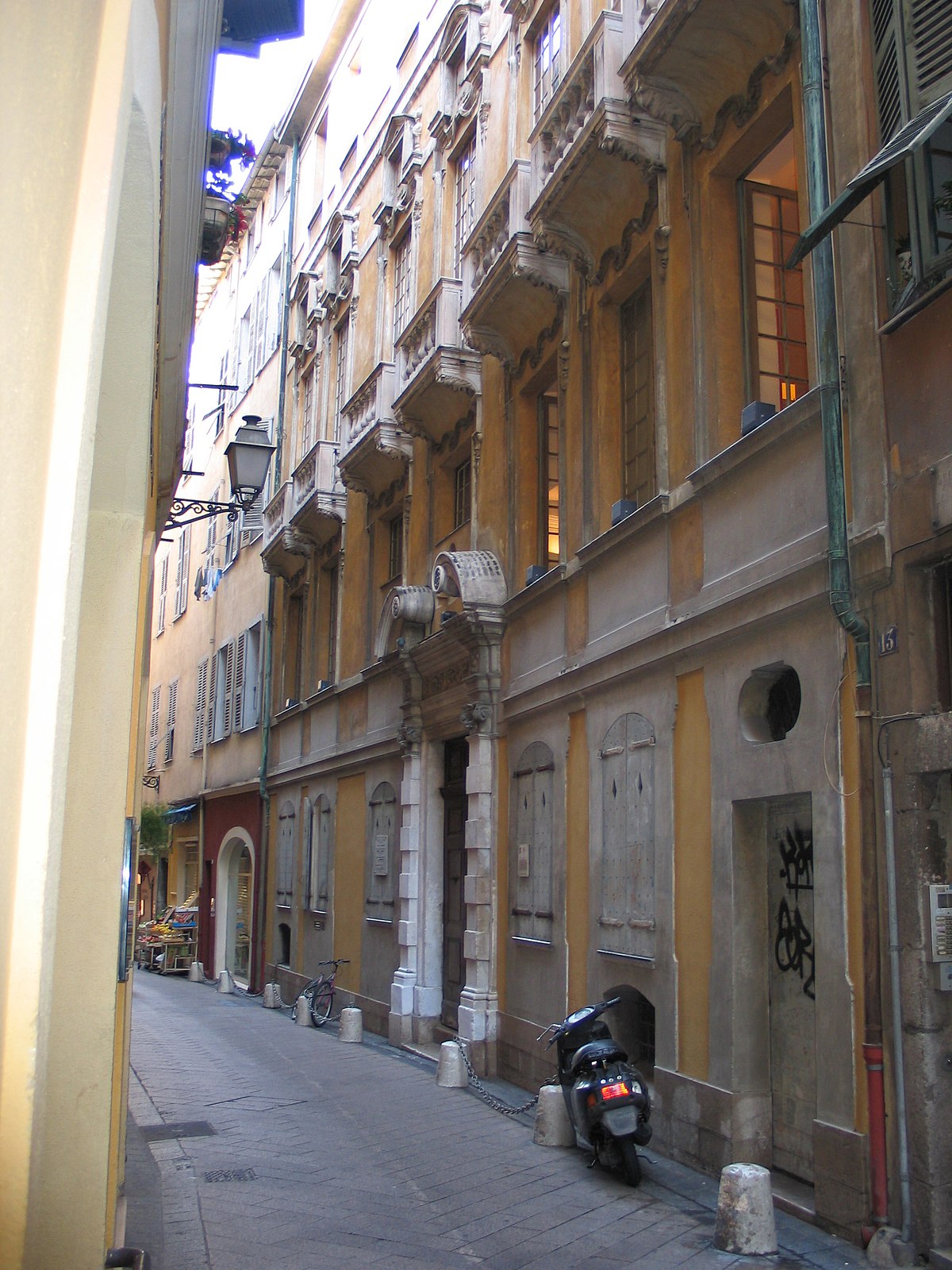


Palais Lascaris
Overview
Situated in the heart of Nice, the Palais Lascaris is an exquisite example of 17th-century baroque architecture. This historic palace, located within the Alpes-Maritimes region, serves as a testament to the rich cultural tapestry of the area. Once the residence of the Lascaris family, the building has been meticulously restored to showcase its grandeur. Visitors can immerse themselves in the opulent interiors, which feature intricate frescoes, ornate staircases, and beautifully designed courtyards.
The Palais Lascaris is not just an architectural marvel; it also plays a crucial role in preserving the history and heritage of Nice. As one of the city’s few remaining examples of baroque architecture, it offers insights into the lifestyles of the aristocracy during the period. The palace is now a museum, housing an impressive collection of musical instruments, further emphasizing its cultural significance. With its striking façade and richly decorated rooms, the Palais Lascaris is a must-visit destination for anyone interested in the history and artistry of the region.
History and Significance
The history of the Palais Lascaris is deeply intertwined with the evolution of Nice itself. Built in the 17th century, the palace was the residence of the Lascaris family, a noble lineage that contributed significantly to the cultural and social life of the city. The Lascaris family played an important role in the governance and development of Nice, and their influence is still visible in the architecture and layout of the city today.
Throughout its history, the Palais Lascaris has undergone several transformations. After the decline of the Lascaris family, the building was repurposed for various uses, reflecting the changing dynamics of Nice over the centuries. In the 20th century, it was restored and repurposed as a museum, dedicated to showcasing the artistic and cultural heritage of the region. This transformation has allowed the palace to remain an active part of Nice’s cultural landscape, drawing visitors from all over the world.
The palace also holds a significant collection of musical instruments, which adds to its cultural importance. These instruments reflect the rich musical history of the region and provide visitors with a glimpse into the artistic endeavors that flourished in the past. By housing these artifacts, the Palais Lascaris not only preserves the legacy of the Lascaris family but also celebrates the broader cultural heritage of Nice.
Architecture and Features
The architectural style of the Palais Lascaris is a striking representation of the baroque period, characterized by its grandeur and intricate details. The façade of the palace features elegant stonework, with decorative elements that highlight the craftsmanship of the era. Visitors are greeted by a beautifully adorned entrance, which leads into the main courtyard—a serene space that showcases the building’s architectural elegance.
Inside, the palace is a feast for the eyes, with rooms that are richly decorated with frescoes, stuccos, and antique furnishings. The grand staircase, a central feature of the palace, is adorned with elaborate decorations that exemplify the opulence of the time. Each room within the palace tells a story, showcasing the artistic styles and tastes of the 17th century.
One of the standout features of the Palais Lascaris is its collection of musical instruments, which are displayed throughout the museum. These instruments range from stringed to wind instruments, each with its own unique history. The museum also hosts exhibitions that delve into the history of music in the region, further enhancing the visitor experience.
Visiting Information
Visiting the Palais Lascaris is an enriching experience that allows guests to explore both the architectural beauty and cultural significance of this historic site. The palace is conveniently located in the heart of Nice, making it easily accessible by public transport or on foot from many central locations.
While specific visiting hours and ticket prices may change, it is recommended to check the official website for up-to-date information before planning your visit. Generally, visitors can expect to spend around 1-2 hours exploring the various rooms and exhibits.
To make the most of your visit, consider going during weekdays or early in the morning to avoid larger crowds. The palace’s tranquil ambiance is best enjoyed in a quieter setting, allowing you to fully appreciate the intricate details of its architecture and exhibits.
Nearby Attractions
After visiting the Palais Lascaris, there are several other attractions within walking distance that are worth exploring:
Musée des Beaux-Arts - A short stroll from the palace, this museum houses an impressive collection of fine arts, including works from the Renaissance to the 20th century.
Cathédrale Sainte-Réparate - Located in the Old Town, this stunning cathedral features a blend of architectural styles and is known for its intricate interior.
Place Rossetti - A charming square in Old Nice, it is surrounded by vibrant cafes and shops, making it a perfect spot to relax and soak in the local atmosphere.
Promenade des Anglais - Just a short walk away, this iconic promenade along the Mediterranean coastline offers stunning views and a lively atmosphere.
Castle Hill (Colline du Château) - A bit further afield, this hill provides panoramic views of Nice and the surrounding coastline. It’s a lovely place for a leisurely hike or picnic.
Insider Tips
To enhance your visit to the Palais Lascaris, consider the following tips:
Photography: The palace’s ornate interiors provide excellent opportunities for photography. However, be mindful of any restrictions in place regarding flash photography, particularly around sensitive art pieces.
Crowd Avoidance: To enjoy a more peaceful experience, aim to visit during the early morning or on weekdays. This timing allows for a more intimate exploration of the palace without the hustle and bustle of larger crowds.
Guided Tours: If you’re keen to learn more about the history and architecture of the palace, consider joining a guided tour. This can provide deeper insights and context to what you are observing.
Practical Information
When visiting the Palais Lascaris, it’s advisable to bring a few essentials:
Comfortable Shoes: As you will be exploring various rooms and possibly climbing stairs, comfortable footwear is recommended.
Water Bottle: Staying hydrated is key, especially during the warmer months. Check to see if there are facilities to refill your bottle.
Seasonal Considerations: If visiting during peak tourist seasons, be prepared for larger crowds. Off-peak times generally offer a more relaxed experience.
Weather: Before heading out, check the weather forecast. If rain is expected, consider bringing an umbrella, as some areas around the palace may not be fully covered.
Frequently Asked Questions
How long should I spend visiting?
Most visitors typically spend about 1-2 hours at the Palais Lascaris to fully explore the rooms and exhibits.
Is photography allowed?
Photography is generally permitted, but check for any specific restrictions regarding flash photography or certain exhibits.
Are there guided tours?
Yes, guided tours may be available, providing a deeper understanding of the palace’s history and architecture.
What’s the best time to visit?
For a quieter experience, consider visiting early in the morning or during weekdays.
Is it wheelchair accessible?
Check the official website for details on accessibility options within the palace.
Can I buy tickets online?
It’s advisable to check the official website for information on online ticket purchases.
Are there restrooms and cafes?
Facilities may be available; check the official website for specific amenities.
What should I wear?
Dress comfortably, considering that you may be walking around and exploring various rooms.
Photo Gallery
More in Provence-Alpes-Côte d'Azur

Abri des pêcheurs
📍 Berrias-et-Casteljau, France
The Abri des pêcheurs, located in the picturesque region of Berrias-et-Casteljau, France, is a remarkable archaeological site that provides a window …

Achiet-le-Grand Communal Cemetery
📍 Achiet-le-Grand, France
Achiet-le-Grand Communal Cemetery is situated in the Pas-de-Calais region of France, an area that has witnessed a tumultuous history especially during …

Agnez-les-Duisans Communal Cemetery
📍 Agnez-lès-Duisans, France
The Agnez-les-Duisans Communal Cemetery is located in the Pas-de-Calais region of northern France, a serene site that serves as a resting place for …

Ancienne Comédie d'Avignon
📍 Avignon, France
The Ancienne Comédie d’Avignon, once a vibrant hub of theatrical performances, plays a pivotal role in the cultural history of Avignon, a city known …
ancienne propriété de Camille Corot
📍 Ville-d'Avray, France
The ancienne propriété de Camille Corot is a charming park located in the scenic town of Ville-d’Avray, just outside of Paris, France. This peaceful …

Ancient Roman circus of Arles
📍 Arles, France
The Ancient Roman circus of Arles stands as a monumental reminder of the grandeur of Roman architecture and public entertainment. Located in the heart …

Annappes Churchyard
📍 Villeneuve-d'Ascq, France
The Annappes Churchyard, situated in the heart of Villeneuve-d’Ascq in the Nord region of France, offers visitors a contemplative environment steeped …
More Castles & Palaces
Château d'Artois
📍 La Châtelaine, France
Château d’Artois stands as a remarkable example of French castle architecture, nestled in the serene region of La Châtelaine. With its storied past …

Château de Langin
📍 Bons-en-Chablais, France
The Château de Langin, perched in the scenic region of Bons-en-Chablais, France, is a remarkable example of medieval architecture that attracts …

Château de Montaigu (Saône-et-Loire)
📍 Mercurey, France
The Château de Montaigu, situated in the picturesque region of Mercurey in Saône-et-Loire, France, offers visitors a glimpse into the architectural …
Château de Montfalcon
📍 La Biolle, France
Château de Montfalcon is an impressive castle that reflects the historical depth and architectural beauty of the region of La Biolle, France. Situated …

Château de Montrognon
📍 Ceyrat, France
The Château de Montrognon is a captivating castle that reflects the essence of French heritage and medieval architecture. Situated in the charming …

Château de Noyers-sur-Serein
📍 Noyers, France
The Château de Noyers-sur-Serein is an exquisite example of medieval architecture that captivates visitors with its historical significance and …
Château de Quirieu
📍 Bouvesse-Quirieu, France
The Château de Quirieu is a remarkable example of French castle architecture nestled in the charming region of Bouvesse-Quirieu. This castle, while …