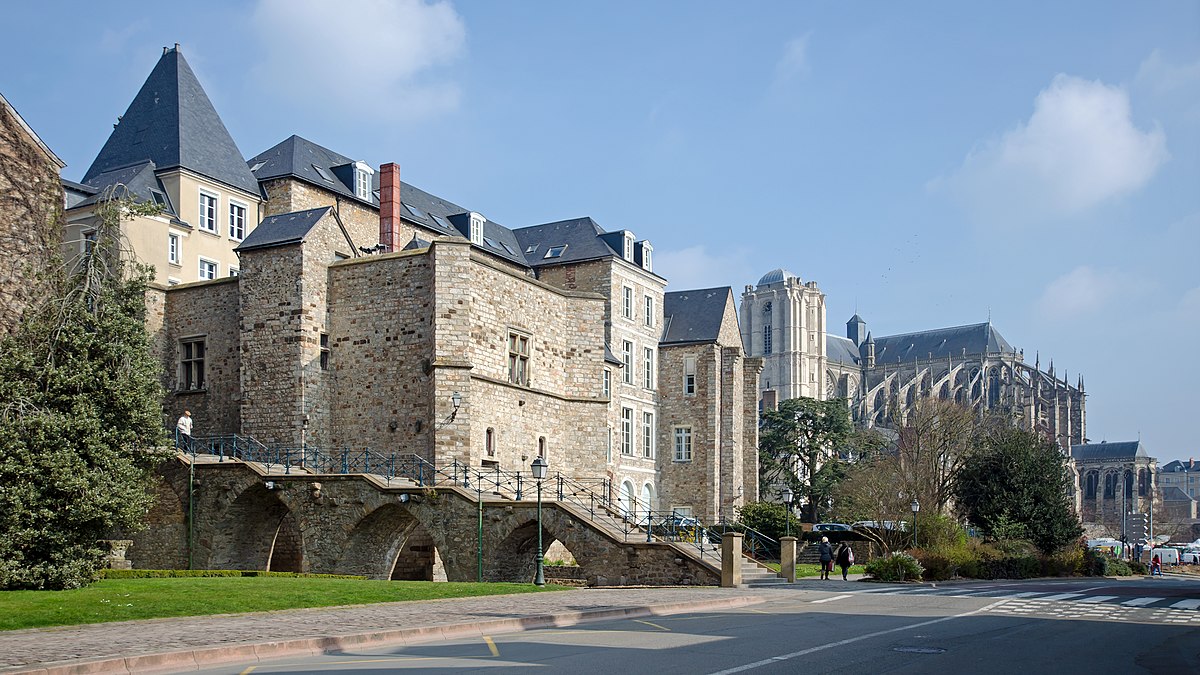


Palais des comtes du Maine
Overview
Situated in the heart of Le Mans, the Palais des comtes du Maine stands as a remarkable representation of medieval architecture and history. This impressive palace, originally built as a residence for the Counts of Maine, captures the essence of the region’s rich heritage. Le Mans, known for its well-preserved medieval cityscape and vibrant cultural scene, provides a fitting backdrop for this architectural gem.
Visitors can explore the palace’s storied past, which is intertwined with the history of the Counts who ruled the area. The site serves as a reminder of the political and social dynamics of its time, showcasing the importance of noble residences in medieval France. The Palais des comtes du Maine not only offers striking architecture but also represents the cultural evolution of Le Mans over the centuries.
As you wander through its halls, you will encounter stories of power, influence, and the intricate tapestry of life in medieval France. The palace continues to attract visitors, offering a glimpse into the lifestyles of the nobility and the architectural styles that defined the region.
History and Significance
The Palais des comtes du Maine has been a significant landmark in the history of Le Mans. While specific dates of its construction and alterations may not be readily available, the palace has played a crucial role in the political landscape of the region, particularly during the time of the Counts of Maine. This noble lineage was prominent in the Middle Ages, and their residence here signifies the importance of the site in local governance and society.
Throughout its history, the palace has witnessed numerous events that shaped the region, including conflicts, alliances, and cultural developments. The Counts were not only local rulers but also influential figures in broader French politics, often engaging in the power struggles that characterized medieval France. The palace served as a center for administrative and social activities, making it vital to understanding the historical narrative of Le Mans.
The architectural features of the Palais reflect the evolution of building styles over the centuries, showcasing elements from different periods that illustrate the changing tastes and technologies of construction. Its preservation serves as an essential resource for historians and architects alike, providing insights into the cultural and historical significance of noble residences in France.
Architecture and Features
The Palais des comtes du Maine is characterized by its distinctive medieval architecture, which features elements typical of the period. The facade presents a combination of stone and brick, with intricate detailing that highlights the craftsmanship of its builders. The palace’s structure is marked by tall windows and grand entrances that reflect the status of its former inhabitants.
One of the notable features of the palace is its imposing towers, which add a sense of grandeur to the overall design. These towers not only serve an aesthetic purpose but were also functional, providing a vantage point for surveillance and defense during turbulent times. The interior of the palace, while not extensively documented, likely contains elements such as vaulted ceilings and ornamental details that were common in noble residences of the era.
In addition to its architectural beauty, the palace is set within a landscape that enhances its appeal. Surrounding gardens and courtyards, which may have been used for leisure and gatherings, contribute to the serene atmosphere of the site. The combination of these elements creates a cohesive experience for visitors, allowing them to appreciate both the artistic and historical significance of the Palais des comtes du Maine.
Visiting Information
To visit the Palais des comtes du Maine, travelers can easily access the site from various points in Le Mans. Public transportation options, including buses and trains, are readily available, making it convenient for visitors to reach the palace. The site is located in a central area, allowing for easy exploration of the surrounding attractions.
As for details regarding hours of operation and admission prices, it is advisable to check the official website for current information. The palace typically welcomes visitors throughout the week, with varying hours depending on the season. It is recommended to allocate at least one to two hours for your visit to fully appreciate the historical context and architectural features of the palace.
The best times to visit are during the spring and early autumn when the weather is generally mild, and the gardens around the palace are in full bloom. Early mornings or late afternoons can be ideal for avoiding peak crowds, allowing for a more intimate experience within the palace grounds.
Nearby Attractions
Cité Plantagenêt: This medieval district of Le Mans is renowned for its narrow streets, ancient buildings, and charming atmosphere. A visit here complements the experience at the Palais des comtes du Maine, offering a deeper understanding of the city’s history.
Cathedral of Saint-Julien: Just a short walk from the palace, this stunning cathedral is an architectural masterpiece combining Gothic and Romanesque styles. Its intricate stained glass windows and towering spires make it a must-see.
Musée de Tessé: Located nearby, this art museum features a collection of fine arts, including paintings and sculptures from various periods. It provides a cultural counterpoint to the historical focus of the Palais.
Parc de Tessé: A beautiful park adjacent to the museum, perfect for a leisurely stroll or a picnic. It offers a tranquil setting to relax after exploring the historical sites.
Le Mans 24 Hours Museum: For motorsport enthusiasts, this museum showcases the history of the famous endurance race held annually in Le Mans, providing a modern contrast to the historical experiences at the palace.
Insider Tips
To make the most of your visit to the Palais des comtes du Maine, consider the following tips:
Photography: While photography may be allowed in some areas, always check for signage indicating restrictions. Early morning light can create stunning photographs of the palace’s exterior.
Avoiding Crowds: Plan your visit during weekdays or outside of peak tourist seasons to enjoy a quieter experience. This will allow you to appreciate the palace’s details without the distraction of large groups.
Guided Tours: If available, joining a guided tour can enhance your understanding of the palace’s history and architecture. Guides often share insights and stories not found in written materials.
Practical Information
When planning your visit to the Palais des comtes du Maine, consider bringing along a few essentials:
Comfortable Shoes: The palace and its surrounding areas may involve some walking, so comfortable footwear is recommended.
Weather Considerations: Check the weather forecast before your visit. An umbrella or light jacket may be necessary during the cooler months.
Water and Snacks: While there may be cafés nearby, having water and light snacks can be handy, especially if you plan to explore the area for an extended period.
Respectful Attire: As a historical site, it is advisable to dress modestly and respectfully, particularly when visiting places of worship nearby.
Frequently Asked Questions
How long should I spend visiting?
It is recommended to spend at least one to two hours at the Palais des comtes du Maine to fully appreciate its history and architecture.
Is photography allowed?
Photography may be permitted in certain areas, but always check for specific signage regarding restrictions.
Are there guided tours?
Guided tours may be available, providing deeper insights into the palace’s history and significance.
What’s the best time to visit?
Spring and early autumn are ideal for visiting due to pleasant weather and fewer crowds.
Is it wheelchair accessible?
Accessibility information may vary; check the official website for details on wheelchair access.
Can I buy tickets online?
For current ticketing options, including online purchases, please refer to the official website.
Are there restrooms and cafes?
Check the official website for information on available facilities, including restrooms and nearby dining options.
What should I wear?
Dress comfortably and respectfully, especially when visiting nearby religious sites.
Photo Gallery
More in Centre-Val de Loire

arche du Pin
📍 Joué-lès-Tours, France
The arche du Pin serves as a vital connection in the region of Joué-lès-Tours, situated near the banks of the Loire River. This bridge exemplifies …
Bailleulval Communal Cemetery
📍 Bailleulval, France
Bailleulval Communal Cemetery is situated in the serene village of Bailleulval, in the Pas-de-Calais region of France. This cemetery holds a unique …
bibliothèque Gaston Waringhien
📍 Aigné, France
The bibliothèque Gaston Waringhien serves as a vital cultural hub in Aigné, France, offering a wealth of resources to the community and visitors …

Campo Santo d'Orléans
📍 Orléans, France
Campo Santo d’Orléans is a notable cemetery located in the heart of the Loiret region of France. This site serves not only as a resting place for the …

Centre Charles Péguy
📍 Orléans, France
The Centre Charles Péguy serves as a vital cultural hub in Orléans, France, dedicated to literature and community engagement. Named after the …

Cimetière de Cocherel
📍 Houlbec-Cocherel, France
Cimetière de Cocherel is situated in the picturesque region of Eure, France, within the quaint commune of Houlbec-Cocherel. This cemetery serves as a …

Cimetière de Neuilly
📍 Valravillon, France
Cimetière de Neuilly is a cemetery situated in the Valravillon region of Yonne, France. This serene and reflective space serves not only as a final …
More Castles & Palaces
Château d'Artois
📍 La Châtelaine, France
Château d’Artois stands as a remarkable example of French castle architecture, nestled in the serene region of La Châtelaine. With its storied past …

Château de Langin
📍 Bons-en-Chablais, France
The Château de Langin, perched in the scenic region of Bons-en-Chablais, France, is a remarkable example of medieval architecture that attracts …

Château de Montaigu (Saône-et-Loire)
📍 Mercurey, France
The Château de Montaigu, situated in the picturesque region of Mercurey in Saône-et-Loire, France, offers visitors a glimpse into the architectural …
Château de Montfalcon
📍 La Biolle, France
Château de Montfalcon is an impressive castle that reflects the historical depth and architectural beauty of the region of La Biolle, France. Situated …

Château de Montrognon
📍 Ceyrat, France
The Château de Montrognon is a captivating castle that reflects the essence of French heritage and medieval architecture. Situated in the charming …

Château de Noyers-sur-Serein
📍 Noyers, France
The Château de Noyers-sur-Serein is an exquisite example of medieval architecture that captivates visitors with its historical significance and …
Château de Quirieu
📍 Bouvesse-Quirieu, France
The Château de Quirieu is a remarkable example of French castle architecture nestled in the charming region of Bouvesse-Quirieu. This castle, while …