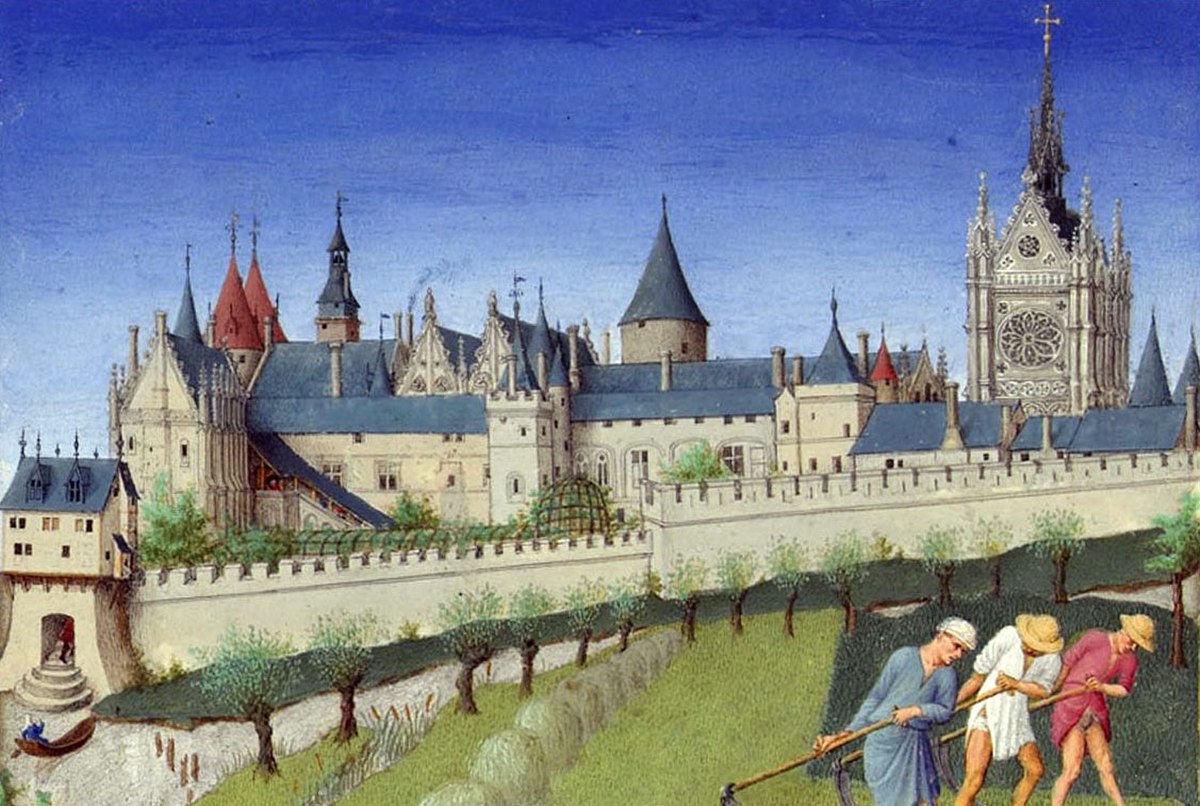


Palais de la Cité
Overview
The Palais de la Cité, once the royal residence of the Kings of France, is a magnificent site located in the heart of Paris. Situated on the Île de la Cité, this iconic palace has played a pivotal role in the history of the French monarchy and the development of the justice system. Today, it houses the Palace of Justice, serving as a reminder of its storied past while continuing to be a functional part of modern governance.
This remarkable complex is characterized by its impressive Gothic architecture, featuring intricate stone carvings and towering spires that tell the tales of centuries gone by. Visitors to the Palais de la Cité can immerse themselves in the historical ambiance of the place, exploring its significant landmarks and appreciating the artistry that went into its construction. The site not only provides a glimpse into the grandeur of royal life but also reflects the evolution of law and justice in France.
As you approach the Palais de la Cité, the grandeur of its facade is immediately captivating. The blend of history, architecture, and function makes this site a must-visit for anyone interested in the rich heritage of Paris.
History and Significance
The history of the Palais de la Cité is intertwined with the rise and fall of the French monarchy. Originally built in the early medieval period, the palace served as the residence for many kings until the 14th century when royal functions shifted to the more opulent Louvre. Despite this transition, the Palais de la Cité remained a central location for power and administration.
In the 14th century, the palace became the seat of the French judicial system. The transformation into the Palace of Justice marked a significant shift in its function, emphasizing the importance of law and order in society. This duality of being both a royal residence and a center for justice illustrates the complexities of French history, where monarchy and governance are deeply interconnected.
The site is not only a monument to royal grandeur but also a symbol of the evolution of justice in France. It has witnessed numerous historical events, including trials of notable figures and significant political upheavals, making it a focal point in the narrative of French history. The architecture reflects this importance, with elements like the Sainte-Chapelle, built to house precious relics, showcasing the religious and political significance of the palace.
Visiting the Palais de la Cité allows one to appreciate its role as both a royal abode and a bastion of justice, providing insight into the governance and societal structure of France throughout the ages.
Architecture and Features
The architectural style of the Palais de la Cité is predominantly Gothic, characterized by its pointed arches, ribbed vaults, and flying buttresses. The imposing structure features a mix of stone and intricate detailing, showcasing the craftsmanship of the artisans who built it. The most notable feature of the palace is the Sainte-Chapelle, a stunning chapel known for its magnificent stained glass windows that depict biblical scenes in vibrant colors.
The exterior of the Palais de la Cité is marked by grand towers and a fortified appearance, which once served to protect the royal family. The entrance is dominated by the imposing Conciergerie, which has served various functions, including that of a prison during the French Revolution. The contrast between the grandeur of the chapel and the somber nature of the Conciergerie encapsulates the duality of the palace’s history.
Inside, visitors can explore various halls and rooms that have been preserved or restored, offering a glimpse into the regal lifestyle of French royalty. The palace’s layout reflects its historical importance, with areas designated for judicial matters interspersed with remnants of its royal past.
As you wander through the halls, you can appreciate the melding of architectural styles that have emerged over centuries, each telling its own story of the palace’s evolution from a royal residence to a center of justice.
Visiting Information
The Palais de la Cité is accessible via various public transportation options in Paris. Visitors can take the Métro to Cité Station, which places them within walking distance of the palace. Buses and RER trains also serve the area, making it convenient for travelers from different parts of the city.
Check the official website for current information regarding hours of operation and ticket prices, as these can vary throughout the year. Generally, a visit to the palace can take between one to two hours, depending on your interest in exploring the different features and historical aspects of the site.
The best times to visit are during weekdays to avoid the larger crowds that often gather on weekends and holidays. Early mornings or late afternoons can provide a quieter experience, allowing for a more contemplative exploration of the palace’s rich heritage.
Inside the palace, expect to find informative displays and possibly guided tours that delve into the history and significance of the site. The atmosphere is often reflective, encouraging visitors to ponder the weight of history that surrounds them.
Nearby Attractions
Sainte-Chapelle: Located within the Palais de la Cité complex, this stunning chapel is famous for its breathtaking stained glass windows.
Notre-Dame Cathedral: A short walk away, this iconic cathedral is a masterpiece of French Gothic architecture, offering visitors a glimpse into its historical significance.
Île de la Cité: Explore the rest of this historic island, which is home to beautiful squares, quaint streets, and other significant buildings.
Conciergerie: Adjacent to the Palais, this former royal palace and prison provides insights into the darker chapters of French history.
Pont Neuf: The oldest standing bridge across the Seine River, offering picturesque views and access to both banks of the river.
Insider Tips
For photography enthusiasts, early morning visits can capture the palace in soft light, enhancing the beauty of its Gothic features. Additionally, the Sainte-Chapelle’s stained glass is best photographed when the sunlight streams through, illuminating the colors.
To avoid the heaviest crowds, aim for midweek visits, particularly during off-peak seasons. This will provide a more intimate experience, allowing for better appreciation of the intricate details and historical significance of the site.
Consider taking a guided tour if available, as knowledgeable guides can provide deeper insights and anecdotes that enrich your understanding of the palace’s complex history.
Practical Information
When visiting the Palais de la Cité, it is advisable to dress comfortably, as you may be walking and standing for extended periods. Carry a small bag for personal items, and be mindful of security regulations, which may restrict larger bags or items.
Seasonal considerations are important; during the summer months, the palace can be quite warm, so consider lightweight clothing. Conversely, if visiting in the cooler months, layers will ensure comfort while exploring.
Restrooms may be available on-site, but you should check the official website for specific information. It’s also wise to carry some water, especially if you plan to spend time exploring nearby attractions.
Frequently Asked Questions
How long should I spend visiting?
A visit to the Palais de la Cité typically takes about one to two hours, depending on your interest in the various features and historical aspects.
Is photography allowed?
Photography is generally permitted in most areas, but it’s advisable to check for any specific restrictions, particularly in the Sainte-Chapelle.
Are there guided tours?
Guided tours may be available, offering more in-depth insights into the history and significance of the palace. Check the official website for current offerings.
What’s the best time to visit?
The best times to visit are during weekdays, particularly in the early morning or late afternoon when crowds are smaller.
Is it wheelchair accessible?
The site aims to be accessible, but it is recommended to check the official website for specific accessibility information and any assistance that may be available.
Can I buy tickets online?
Tickets may be available for purchase online, so check the official website for the most current information on ticketing options.
Are there restrooms and cafes?
Restrooms may be available on-site. However, check the official website for precise locations and information about any nearby café facilities.
What should I wear?
Dress comfortably for walking, and consider seasonal clothing appropriate for the weather during your visit.
Photo Gallery
More in Île-de-France
91 tombeaux de la Guerre de 1914-1918 du cimetière de Vanves
📍 Vanves, France
The 91 tombeaux de la Guerre de 1914-1918 du cimetière de Vanves, located in the Hauts-de-Seine department, serve as a solemn reminder of the …
A Figa
📍 France
A Figa presents a fascinating glimpse into the ancient past of Corsica, an island steeped in historical significance and natural beauty. Situated in …
À la mémoire des Arméniens morts pour la France
📍 Paris, France
À la mémoire des Arméniens morts pour la France is a significant memorial site that honors the contributions and sacrifices of Armenian soldiers who …
abri Audi
📍 Les Eyzies-de-Tayac-Sireuil, France
The abri Audi, situated in the picturesque region of Les Eyzies-de-Tayac-Sireuil in France, is a remarkable archaeological site that offers a glimpse …

Abri de Villepin
📍 France
The Abri de Villepin, located in the picturesque region of France, is an archaeological site that holds significant importance for understanding early …

Adsilanum
📍 France
Adsilanum is an archaeological site located in the picturesque region of France. This site holds significant archaeological value, offering a glimpse …

Alalia
📍 France
Alalia, located on the eastern coast of Corsica, is an archaeological site that holds great significance in understanding the ancient civilizations …
More Castles & Palaces
Château d'Artois
📍 La Châtelaine, France
Château d’Artois stands as a remarkable example of French castle architecture, nestled in the serene region of La Châtelaine. With its storied past …

Château de Langin
📍 Bons-en-Chablais, France
The Château de Langin, perched in the scenic region of Bons-en-Chablais, France, is a remarkable example of medieval architecture that attracts …

Château de Montaigu (Saône-et-Loire)
📍 Mercurey, France
The Château de Montaigu, situated in the picturesque region of Mercurey in Saône-et-Loire, France, offers visitors a glimpse into the architectural …
Château de Montfalcon
📍 La Biolle, France
Château de Montfalcon is an impressive castle that reflects the historical depth and architectural beauty of the region of La Biolle, France. Situated …

Château de Montrognon
📍 Ceyrat, France
The Château de Montrognon is a captivating castle that reflects the essence of French heritage and medieval architecture. Situated in the charming …

Château de Noyers-sur-Serein
📍 Noyers, France
The Château de Noyers-sur-Serein is an exquisite example of medieval architecture that captivates visitors with its historical significance and …
Château de Quirieu
📍 Bouvesse-Quirieu, France
The Château de Quirieu is a remarkable example of French castle architecture nestled in the charming region of Bouvesse-Quirieu. This castle, while …