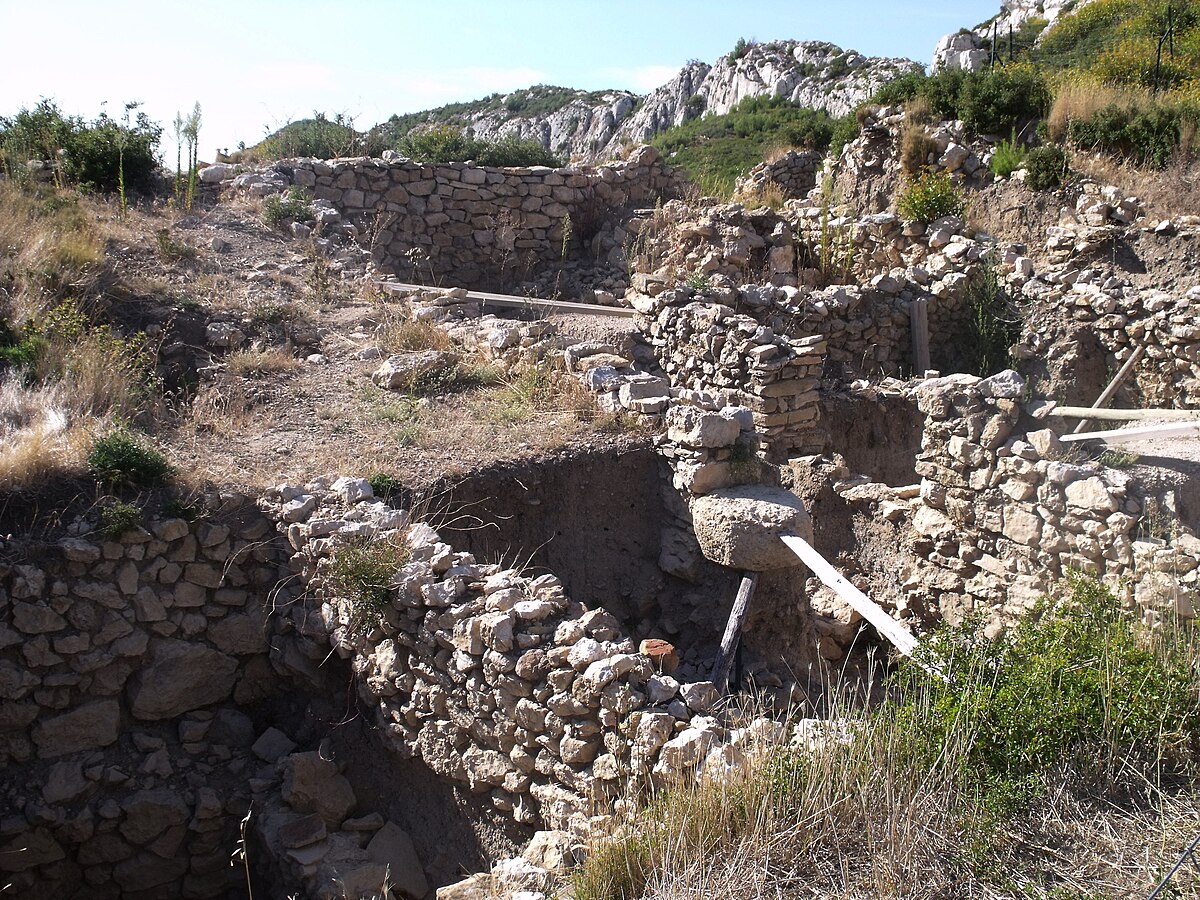


Oppidum des Caisses de Jean-Jean
Overview
The Oppidum des Caisses de Jean-Jean is an archaeological site located in the picturesque region of Mouriès, France. This site represents the remnants of a human settlement that provides valuable insights into the area’s ancient history. Situated amidst the stunning landscapes of Provence, the site attracts both history enthusiasts and casual visitors, eager to learn about the life and culture of past civilizations. The significance of the Oppidum des Caisses de Jean-Jean lies not only in its archaeological value but also in its ability to connect visitors to the stories of those who inhabited this region centuries ago.
The site is conveniently accessible, making it an ideal stop for travelers exploring Provence. Its unique blend of history and natural beauty provides a rich experience that draws attention to the cultural heritage of France. As you wander through the remnants of this ancient settlement, you will find an opportunity to reflect on the evolution of human society in this region, adding depth to your understanding of France’s historical narrative.
History and Significance
The Oppidum des Caisses de Jean-Jean serves as a crucial link to understanding the ancient human settlements in Provence. While specific dates are not available, the site is indicative of the broader patterns of habitation and social organization that have shaped human life in this part of France. The designation of “oppidum” suggests that this settlement was likely a fortified site, which was a common characteristic of many ancient communities in Europe.
The significance of the Oppidum des Caisses de Jean-Jean extends beyond its physical remnants. It reflects the lifestyle, social structure, and economic activities of its inhabitants, offering valuable information for archaeologists and historians alike. The findings at the site can shed light on trade routes, agricultural practices, and interactions with neighboring cultures, thereby enriching our understanding of the region’s historical landscape.
The archaeological site is not just a location of historical interest; it also represents the broader narrative of human resilience and adaptation in the face of changing environments and cultures. Visiting the Oppidum des Caisses de Jean-Jean allows one to appreciate the complexities of past human life while encouraging reflections on how these early societies have influenced contemporary culture in France.
Architecture and Features
The architectural features of the Oppidum des Caisses de Jean-Jean provide insight into the construction techniques and living conditions of its ancient inhabitants. Although specific architectural elements are not detailed, the term “oppidum” typically refers to fortified settlements characterized by defensive structures. Visitors may observe remnants of walls or other fortifications that hint at the community’s efforts to protect itself from external threats.
The layout of the settlement likely included various forms of dwellings, communal spaces, and facilities that served the daily needs of its residents. Archaeological investigations at such sites often reveal artifacts related to domestic life, trade, and social activities, offering a glimpse into the multifaceted lives of the people who lived there.
While the site may not feature grand structures or elaborate monuments, its understated presence is a testament to the historical narrative of human settlement in Provence. The focus here is on how the architecture and organization of space reflect the social and economic realities of the time. As you explore the site, take time to appreciate the subtle connections between the physical remnants and the stories they hold.
Visiting Information
Visiting the Oppidum des Caisses de Jean-Jean is an enriching experience for those interested in history and archaeology. The site is accessible by various means of transport, making it convenient for travelers in the region. Whether you are driving or using public transportation, the archaeological site is positioned to welcome visitors eager to explore its historical significance.
Check the official website for current information regarding opening hours and entrance fees, as these details can vary. It is advisable to allocate sufficient time to fully appreciate the site; a visit of around one to two hours should allow you to explore the key features and absorb the atmosphere of this ancient settlement.
The best times to visit are during the spring and fall, when the weather is typically mild and conducive to outdoor exploration. Summer may bring larger crowds, so if you prefer a quieter experience, visiting during the shoulder seasons can enhance your enjoyment of the site.
On site, you can expect informative displays and signage that provide context about the archaeological findings and their significance. While the site may not have extensive visitor facilities, the surrounding natural beauty offers a serene environment for reflection and learning.
Nearby Attractions
While the Oppidum des Caisses de Jean-Jean is a captivating destination on its own, there are several nearby attractions that enhance the experience of exploring the Mouriès region:
Les Baux-de-Provence: This historic village is known for its medieval castle and stunning views over the Alpilles mountains. Visitors can wander the cobblestone streets and discover a rich history.
Saint-Rémy-de-Provence: Renowned for its charming atmosphere, this town offers art galleries, shops, and the ruins of a Roman city, Glanum, that are well worth exploring.
Fontvieille: This quaint village is famous for its association with the writer Alphonse Daudet and features traditional Provencal architecture and vineyards.
The Alpilles Natural Regional Park: A short drive away, this park offers breathtaking landscapes, hiking trails, and opportunities for outdoor activities amid the beautiful scenery of Provence.
Arles: Known for its Roman history and vibrant art scene, this city is home to several UNESCO World Heritage sites, including the Roman amphitheater and the ancient theater.
These nearby attractions make a visit to the Oppidum des Caisses de Jean-Jean part of a broader exploration of the cultural and historical richness of the region.
Insider Tips
To make the most of your visit to the Oppidum des Caisses de Jean-Jean, here are some insider tips:
Photography: Bring your camera along to capture the site’s unique features. The remnants of the settlement set against the natural backdrop of Provence offer excellent photography opportunities.
Crowd Avoidance: If you prefer a quieter experience, consider visiting early in the morning or later in the afternoon. This timing can help you avoid larger tourist groups and allow for a more personal exploration of the site.
Guided Tours: If available, consider joining a guided tour. Local guides can provide in-depth knowledge and context about the site’s history that enhances your understanding and appreciation.
Prepare for Walking: Wear comfortable shoes, as exploring the site may involve walking over uneven terrain.
Practical Information
When preparing for your visit to the Oppidum des Caisses de Jean-Jean, consider the following practical information:
What to Bring: Carry water, sunscreen, and a hat, especially during warmer months. A small backpack can be handy for your essentials.
Seasonal Considerations: Spring and fall are ideal times to visit, providing pleasant weather. Summer can be hot, so dress accordingly and stay hydrated.
Accessibility: If you have mobility concerns, check the official website for information on accessibility options at the site.
By taking these practical aspects into account, you can ensure a comfortable and enjoyable visit to the archaeological site.
Frequently Asked Questions
How long should I spend visiting?
A visit of one to two hours is generally sufficient to explore the key features of the site and appreciate its significance.
Is photography allowed?
Photography is typically allowed, but it is courteous to check for any specific restrictions when you arrive.
Are there guided tours?
Depending on availability, guided tours may be offered. These can provide valuable insights into the site’s historical context.
What’s the best time to visit?
The best times to visit are during the spring and fall, when the weather is mild and crowds are generally smaller.
Is it wheelchair accessible?
Check the official website for current information regarding accessibility options at the site.
Can I buy tickets online?
Information regarding online ticket purchases can usually be found on the official website.
Are there restrooms and cafes?
Facilities may be limited, so check the official website for details on available amenities.
What should I wear?
Dress comfortably and wear suitable footwear for walking, especially if you plan to explore the surrounding area.
Photo Gallery
More in Provence-Alpes-Côte d'Azur

Abri des pêcheurs
📍 Berrias-et-Casteljau, France
The Abri des pêcheurs, located in the picturesque region of Berrias-et-Casteljau, France, is a remarkable archaeological site that provides a window …

Achiet-le-Grand Communal Cemetery
📍 Achiet-le-Grand, France
Achiet-le-Grand Communal Cemetery is situated in the Pas-de-Calais region of France, an area that has witnessed a tumultuous history especially during …

Agnez-les-Duisans Communal Cemetery
📍 Agnez-lès-Duisans, France
The Agnez-les-Duisans Communal Cemetery is located in the Pas-de-Calais region of northern France, a serene site that serves as a resting place for …

Ancienne Comédie d'Avignon
📍 Avignon, France
The Ancienne Comédie d’Avignon, once a vibrant hub of theatrical performances, plays a pivotal role in the cultural history of Avignon, a city known …
ancienne propriété de Camille Corot
📍 Ville-d'Avray, France
The ancienne propriété de Camille Corot is a charming park located in the scenic town of Ville-d’Avray, just outside of Paris, France. This peaceful …

Ancient Roman circus of Arles
📍 Arles, France
The Ancient Roman circus of Arles stands as a monumental reminder of the grandeur of Roman architecture and public entertainment. Located in the heart …

Annappes Churchyard
📍 Villeneuve-d'Ascq, France
The Annappes Churchyard, situated in the heart of Villeneuve-d’Ascq in the Nord region of France, offers visitors a contemplative environment steeped …
More Archaeological Sites
A Figa
📍 France
A Figa presents a fascinating glimpse into the ancient past of Corsica, an island steeped in historical significance and natural beauty. Situated in …
Abattis Evrard
📍 Remire-Montjoly, France
Abattis Evrard is a notable archaeological site situated in Remire-Montjoly, a region of French Guiana. This site is essential for understanding the …
abri Audi
📍 Les Eyzies-de-Tayac-Sireuil, France
The abri Audi, situated in the picturesque region of Les Eyzies-de-Tayac-Sireuil in France, is a remarkable archaeological site that offers a glimpse …

Abri de Villepin
📍 France
The Abri de Villepin, located in the picturesque region of France, is an archaeological site that holds significant importance for understanding early …
Abri des pêcheurs
📍 Berrias-et-Casteljau, France
The Abri des pêcheurs, located in the picturesque region of Berrias-et-Casteljau, France, is a remarkable archaeological site that provides a window …

abri Gay
📍 Poncin, France
The abri Gay is an archaeological site situated in the picturesque region of Poncin, France. Renowned for its extensive prehistoric artifacts, this …

Adsilanum
📍 France
Adsilanum is an archaeological site located in the picturesque region of France. This site holds significant archaeological value, offering a glimpse …