

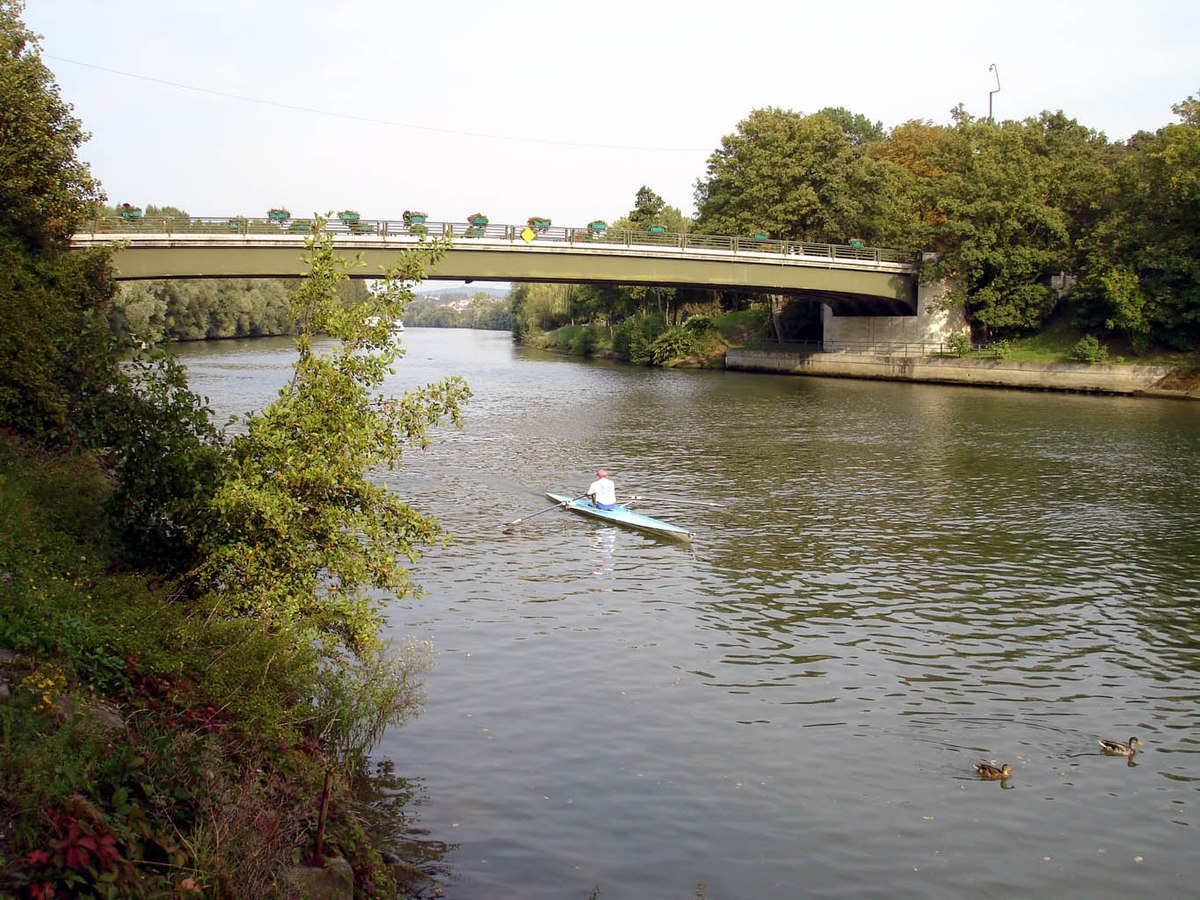


Oise
Overview
The Oise River, spanning across both France and Belgium, serves as an important geographical feature and cultural landmark. Originating from the Ardennes region, the river flows southward into the Seine, creating a vital link between different areas in Northern France. The river is not just a physical entity; it has played a crucial role in the development of the regions it traverses, influencing local economies and shaping settlements along its banks. As visitors explore the Oise, they will encounter charming towns, lush landscapes, and historical sites that reflect the river’s deep-rooted significance in French history.
The Oise River is also known for its serene beauty, offering opportunities for outdoor activities such as walking, cycling, and boating. Its banks are lined with trails and parks, making it a popular spot for both locals and tourists. The river’s accessibility and the surrounding natural beauty provide a unique experience for those looking to connect with both nature and history.
History and Significance
The Oise River has been a crucial waterway since ancient times, facilitating trade and transportation between communities. Its historical importance is underscored by the numerous settlements that have developed along its banks, many of which can trace their origins back to the Roman era. The river has witnessed significant events throughout its history, including battles and the establishment of key transportation routes, which have contributed to the growth of the region.
In the medieval period, the Oise served as a natural defense and a vital resource for local economies. It enabled the transportation of goods and people, fostering trade between Paris and the northern regions of France. The river has also inspired various artists and writers, becoming a subject in literature and paintings that capture its tranquil essence.
The Oise’s cultural significance is further highlighted by its connection to important historical figures and events. Various towns along its route, such as Compiègne and Beauvais, are home to castles, churches, and monuments that tell the story of the river’s role in shaping French history. Today, the Oise continues to be celebrated for its historical legacy and its impact on the communities that thrive along its banks.
Architecture and Features
The Oise River features a variety of landscapes, including meandering stretches, tranquil waters, and lush greenery. Its banks are adorned with picturesque towns that showcase a mix of architectural styles, from medieval structures to more modern constructions. The river is characterized by its gentle curves and serene flow, which create a calming atmosphere for visitors.
Notable features along the river include historic bridges that connect towns and facilitate transportation. These bridges often reflect the architectural styles of their respective eras, providing insight into the region’s evolving design aesthetic. Additionally, the river’s banks are lined with parks and walking trails, inviting exploration and leisure activities.
The towns of Compiègne and Beauvais, located near the Oise, are particularly worth mentioning. Compiègne is known for its grand palace and historical significance, while Beauvais is famous for its stunning cathedral, which is a masterpiece of Gothic architecture. Together, these towns, along with the natural beauty of the river, create a unique tapestry of history and culture.
Visiting Information
Visiting the Oise River offers a variety of experiences, whether you’re interested in outdoor activities, cultural exploration, or simply enjoying the scenery. The river is accessible via several towns along its route. For those traveling from Paris, the Oise is reachable by train, making it easy to explore various segments of the river.
When planning your visit, check the official website for current information regarding local attractions, hours of operation, and any potential entry fees. Depending on your interests, you may want to allocate a full day or more to fully appreciate the beauty and history of the Oise.
The best times to visit are during the spring and summer months when the weather is pleasant, and outdoor activities are in full swing. Autumn also offers beautiful foliage along the riverbanks, providing a picturesque backdrop for walks and photography.
Nearby Attractions
- Compiègne: This historic town is home to the Palace of Compiègne, a royal residence that played a significant role in French history.
- Beauvais: Known for its stunning Gothic cathedral, Beauvais offers a rich cultural experience and beautiful architecture.
- Pierrefonds Castle: A fairy-tale-like castle located just a short drive from the Oise, providing insight into medieval architecture and history.
- Chantilly: Famous for its grand chateau and beautiful gardens, Chantilly is a picturesque location that complements a visit to the Oise.
- Parc Astérix: A theme park located nearby, offering a fun experience for families and those looking for entertainment.
Insider Tips
For photography enthusiasts, the best time to capture the Oise River is during the early morning or late afternoon when the light is soft and golden. Look for vantage points along the riverbanks that provide clear views of the water and surrounding landscapes.
To avoid crowds, consider visiting during weekdays or outside peak tourist seasons. Exploring lesser-known towns along the river can also enhance your experience, offering a more intimate connection with the local culture.
Practical Information
When visiting the Oise River, it’s advisable to wear comfortable clothing and sturdy shoes, especially if you plan to explore the trails along the riverbanks. Depending on the season, bringing layers is recommended, as weather conditions can change throughout the day.
Consider carrying a picnic to enjoy by the river, as many parks and public areas provide a scenic setting for relaxation. Additionally, be prepared for varying conditions by checking the local weather forecast before your visit.
Frequently Asked Questions
How long should I spend visiting?
Most visitors spend a day exploring the Oise River and its surrounding towns. However, if you wish to visit multiple attractions, consider extending your stay.
Is photography allowed?
Yes, photography is allowed in public areas along the river and in most towns. Just be respectful of any private properties.
Are there guided tours?
While there may not be specific guided tours along the river, local tourist offices can provide information on self-guided options.
What’s the best time to visit?
The best time to visit is during spring and summer for pleasant weather and outdoor activities, though autumn offers beautiful foliage.
Is it wheelchair accessible?
Accessibility varies by location. Check specific attractions for wheelchair access information.
Can I buy tickets online?
For attractions along the Oise River, check the official websites for options to purchase tickets online.
Are there restrooms and cafes?
Many towns along the Oise have public restrooms and cafes. Larger towns like Compiègne and Beauvais offer more amenities.
What should I wear?
Comfortable clothing and sturdy shoes are recommended, especially for exploring trails and towns along the river.
Photo Gallery
More in Île-de-France
91 tombeaux de la Guerre de 1914-1918 du cimetière de Vanves
📍 Vanves, France
The 91 tombeaux de la Guerre de 1914-1918 du cimetière de Vanves, located in the Hauts-de-Seine department, serve as a solemn reminder of the …
A Figa
📍 France
A Figa presents a fascinating glimpse into the ancient past of Corsica, an island steeped in historical significance and natural beauty. Situated in …
À la mémoire des Arméniens morts pour la France
📍 Paris, France
À la mémoire des Arméniens morts pour la France is a significant memorial site that honors the contributions and sacrifices of Armenian soldiers who …
abri Audi
📍 Les Eyzies-de-Tayac-Sireuil, France
The abri Audi, situated in the picturesque region of Les Eyzies-de-Tayac-Sireuil in France, is a remarkable archaeological site that offers a glimpse …

Abri de Villepin
📍 France
The Abri de Villepin, located in the picturesque region of France, is an archaeological site that holds significant importance for understanding early …

Adsilanum
📍 France
Adsilanum is an archaeological site located in the picturesque region of France. This site holds significant archaeological value, offering a glimpse …

Alalia
📍 France
Alalia, located on the eastern coast of Corsica, is an archaeological site that holds great significance in understanding the ancient civilizations …
More Natural Sites

Aa River
📍 France
The Aa River, located in France, is a picturesque waterway that flows through the northern regions of the country. While it may not be as famous as …

Aber Wrac'h
📍 France
Aber Wrac’h, a river located in northwestern France, is a prime example of the region’s natural beauty and ecological diversity. Flowing through the …

Aber-Benoît
📍 Saint-Pabu, France
Aber-Benoît is a serene watercourse that flows through the charming region of Saint-Pabu in France. This river, part of the larger Aber river system, …

Abloux
📍 Creuse, France
The Abloux River, flowing gracefully through the picturesque Creuse department in France, is not just a body of water; it is a vital part of the …
Abron
📍 France
The Abron River, located in the heart of France, invites visitors to explore its tranquil waters and scenic landscapes. This river contributes to the …

Acolin
📍 France
The Acolin River, flowing through the heart of France, offers visitors a unique opportunity to immerse themselves in the tranquil beauty of the French …

Adour
📍 France
The Adour River flows gracefully through the picturesque landscapes of southwestern France, weaving its way from the Pyrenees mountains to the …