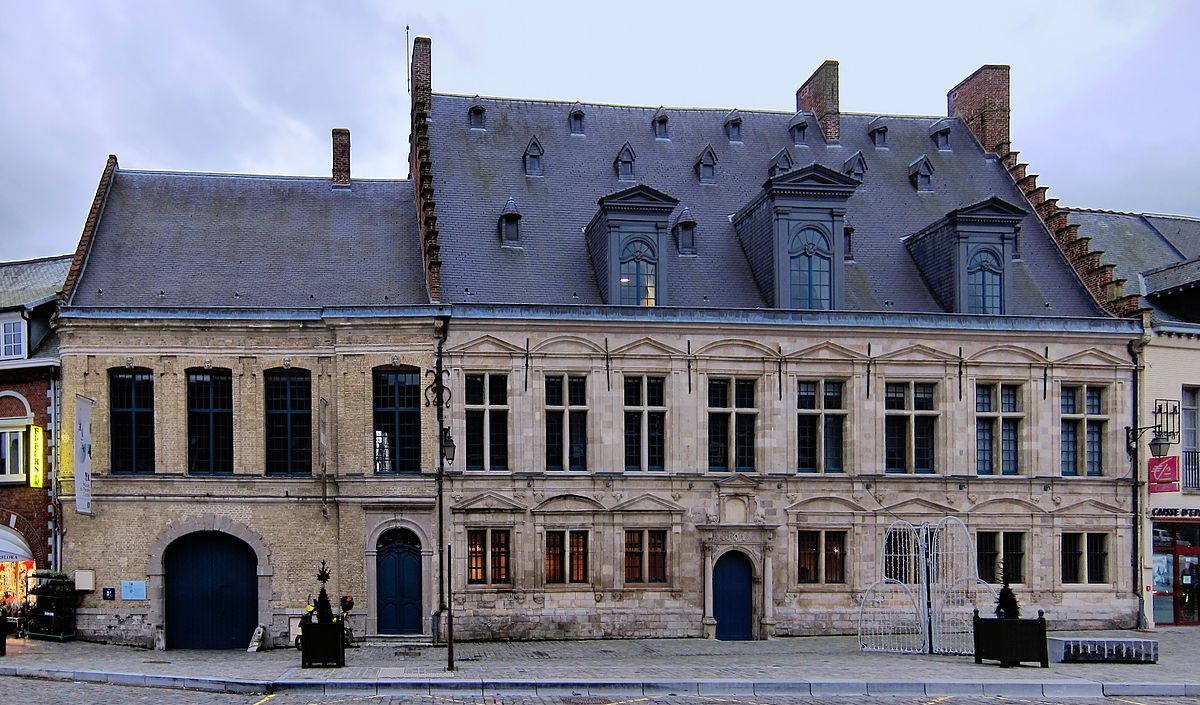


Musée de Flandre Cassel
Overview
Located in the picturesque town of Cassel, the Musée de Flandre offers an insightful exploration into the rich cultural tapestry of the Flanders region. This museum serves as a vital repository of art and artifacts that highlight the historical significance of the area and its artistic heritage. Visitors are welcomed into a space that not only showcases local craftsmanship and artistry but also provides context to the broader narrative of regional identity shaped by centuries of history. As you wander through its galleries, you’ll encounter a diverse array of exhibitions that celebrate the artistic achievements and everyday life of the people in Flanders, making it a must-visit for art enthusiasts and history buffs alike.
The museum’s location in Cassel, a town characterized by its dramatic hilltop position, adds to the experience. Known for its stunning landscapes and charming architecture, Cassel itself is a significant cultural center, making the museum an essential part of your exploration of the region. Whether you’re a local or a traveler, the Musée de Flandre invites you to dive deep into the artistic and historical narratives that have shaped this unique area of France.
History and Significance
The Musée de Flandre has its roots deeply embedded in the cultural history of the Flanders region, which has long been a crossroads of artistic and social influences due to its geographical location. This area, marked by its historical significance, has been shaped by various cultural exchanges over centuries, making the museum an important custodian of this heritage.
The museum’s collection reflects the evolution of art and daily life in Flanders, showcasing works that span various periods and styles. It plays a crucial role in preserving the artistic legacy of the region, highlighting the contributions of local artisans and artists who have influenced both regional and national art scenes. The exhibitions often feature paintings, textiles, and decorative arts that illustrate the unique characteristics of Flanders, allowing visitors to appreciate the depth and variety of its cultural output.
In addition to its permanent collection, the museum frequently hosts temporary exhibitions and cultural events aimed at promoting Flanders’ artistic legacy. These initiatives not only draw attention to the museum but also foster community engagement and awareness about the importance of preserving local culture. Through educational programs and collaborations with local schools and organizations, the Musée de Flandre emphasizes the significance of cultural heritage in shaping contemporary identities.
Architecture and Features
The architectural design of the Musée de Flandre is a reflection of the historical context in which it resides. Although specific details about the building’s design are not provided, it is situated within a historical framework that complements the artistic theme of the museum. Visitors typically find that the museum’s architecture enhances the overall experience, as the structure itself often resonates with the artistry exhibited within its walls.
Inside, the museum features spacious galleries that are thoughtfully arranged to facilitate a seamless flow from one exhibit to another. The layout allows for an immersive experience, encouraging visitors to engage deeply with the artworks. The lighting is carefully considered to highlight the details of the exhibits, ensuring that the richness of the colors and textures can be fully appreciated.
Notable features of the museum may include interactive displays that invite visitors to learn more about the art and artifacts, as well as spaces designed for temporary exhibitions that keep the museum’s offerings fresh and diverse. The commitment to showcasing both historical and contemporary art reflects the museum’s role as a dynamic cultural institution.
Visiting Information
Visiting the Musée de Flandre is a rewarding experience for anyone interested in the arts and history of the Flanders region. To reach the museum, visitors can utilize various transport options, although specific details about public transport routes and availability are best checked on the official website.
When planning your visit, be sure to check the official website for current information regarding opening hours and ticket prices, as these can vary seasonally. The museum typically offers a comfortable environment where you can spend a few hours exploring the exhibits. It is advisable to allocate sufficient time to fully appreciate the collections and any temporary exhibitions that may be on display.
The best times to visit can vary based on local events and tourist seasons, so it is recommended to check for any upcoming programs or peak visiting times. Early mornings or late afternoons are often quieter, providing a more leisurely experience.
Nearby Attractions
While in Cassel, you can explore several nearby attractions that complement your visit to the Musée de Flandre:
- Belfry of Cassel: This iconic structure offers panoramic views of the surrounding landscape and is a significant landmark in the town.
- Eglise Saint-Jean-Baptiste: This historic church showcases beautiful architecture and is a peaceful spot for reflection.
- Les Jardins de la Maison de la Flandre: These gardens provide a lovely setting for a stroll, featuring local flora and tranquil pathways.
- Musee de l’Hospice Comtesse: A short distance away, this museum presents the history of the region and its healthcare practices.
- Mont Cassel: The highest point in the area, offering scenic views and walking paths for nature enthusiasts.
Insider Tips
To make the most of your visit to the Musée de Flandre, consider the following tips:
- Photography: Always check for any specific guidelines on photography within the museum. Some exhibitions may have restrictions to protect the artworks.
- Crowd Avoidance: Visiting during weekdays or outside of school holidays can help you avoid large crowds, allowing for a more personal experience with the exhibits.
Practical Information
When preparing for your visit to the Musée de Flandre, here are some practical considerations:
- What to Bring: Comfortable walking shoes are recommended, as you may spend a considerable amount of time exploring the galleries and nearby attractions. A small bag for personal items is advisable.
- Seasonal Considerations: If visiting during the winter months, check the weather forecast and dress accordingly, as temperatures can drop in this region.
Frequently Asked Questions
How long should I spend visiting?
Visitors typically spend around 2-3 hours at the museum to fully appreciate the exhibits.
Is photography allowed?
Photography policies can vary, so it’s best to check with museum staff upon arrival.
Are there guided tours?
Guided tours may be available; check the official website for more information on scheduling and pricing.
What’s the best time to visit?
Weekdays and early mornings are often less crowded, providing a more relaxed experience.
Is it wheelchair accessible?
The museum strives to be accessible for all visitors, but it is advisable to confirm specific accessibility features on the official website.
Can I buy tickets online?
Ticket purchasing options may vary, so check the official website for the latest information.
Are there restrooms and cafes?
Facilities such as restrooms are typically available, and there may be a café or nearby dining options.
What should I wear?
Dress comfortably and consider layering, especially if you plan to explore nearby outdoor attractions.
Photo Gallery
Visit Information
Quick Facts
- Heritage Type
- Museum
- Region
- Cassel
- Wikidata ID
- Q3329717
More in Hauts-de-France

29th Division Memorial
📍 Beaumont-Hamel, France
The 29th Division Memorial serves as a solemn remembrance of the bravery and sacrifice of the soldiers from the 29th Division, who fought valiantly …

Achiet-le-Petit Communal Cemetery
📍 Achiet-le-Petit, France
Achiet-le-Petit Communal Cemetery is situated in the quaint village of Achiet-le-Petit, located in the Pas-de-Calais region of northern France. This …

Agenville Churchyard
📍 Agenville, France
Agenville Churchyard holds a distinctive place in the heart of the Somme region of France. This cemetery not only serves as a final resting place for …
Agenvillers Churchyard
📍 Agenvillers, France
Agenvillers Churchyard, situated in the quiet commune of Agenvillers in the Somme department, is more than just a resting place for the departed; it …
Ailly-sur-Noye Churchyard
📍 Ailly-sur-Noye, France
The Ailly-sur-Noye Churchyard is a cemetery situated in the picturesque region of Somme in northern France. Encompassing a diverse array of graves and …
Ailly-sur-Somme Communal Cemetery
📍 Ailly-sur-Somme, France
Ailly-sur-Somme Communal Cemetery is located in the picturesque region of Somme, France. This cemetery carries profound historical significance, …
Aizecourt-le-Bas Churchyard
📍 Aizecourt-le-Bas, France
Located in the serene village of Aizecourt-le-Bas in the Somme region of France, the Aizecourt-le-Bas Churchyard serves as both a resting place and a …
More Museums & Galleries

Cité de la voile Éric Tabarly
📍 Lorient, France
Situated in the vibrant coastal city of Lorient in Brittany, the Cité de la voile Éric Tabarly serves as a unique tribute to one of France’s most …

Domaine de Squividan
📍 Clohars-Fouesnant, France
Domaine de Squividan is a captivating museum located in the picturesque region of Clohars-Fouesnant, France. This heritage site is dedicated to …
maison de la photographie
📍 Lille, France
The maison de la photographie serves as a vibrant hub for photography enthusiasts and casual visitors alike in the heart of Lille, France. This museum …
Maison des vautours
📍 Saint-Pierre-des-Tripiers, France
The Maison des vautours, or Vulture House, serves as an engaging museum that delves into the life and conservation of vultures in the region of …

Abbadia Castle
📍 Hendaye, France
Abbadia Castle, located in the scenic region of Hendaye, France, is a remarkable example of 19th-century architecture that stands proudly near the …

Abri du marin de l'île de Sein
📍 Île-de-Sein, France
The Abri du marin de l’île de Sein serves as a vital cultural institution dedicated to preserving and displaying the rich maritime heritage of the Île …

Abri du marin de Sainte-Marine
📍 Combrit, France
The Abri du marin de Sainte-Marine, a museum situated in the picturesque commune of Combrit in France, serves as a focal point for understanding the …