
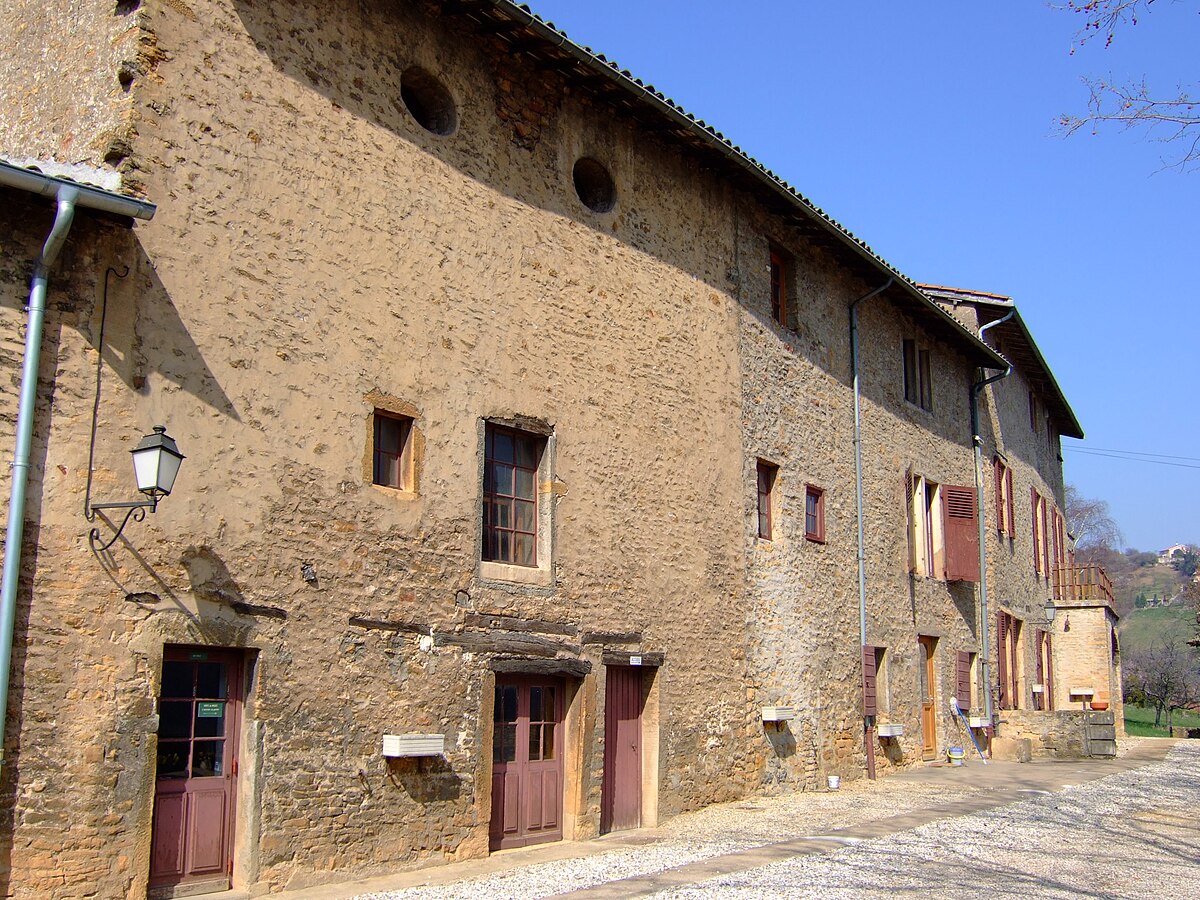


Musée Ampère
Overview
Nestled in the tranquil region of Poleymieux-au-Mont-d’Or, Musée Ampère serves as a tribute to one of the pioneers of electromagnetism, André-Marie Ampère. This museum is not just a sanctuary of scientific exploration; it represents a significant part of France’s rich legacy in the field of science and technology. Located a stone’s throw from the bustling city of Lyon, the museum offers visitors an opportunity to delve deeper into the life and contributions of Ampère, who was instrumental in defining the principles that underpin modern electromagnetism. The museum’s carefully curated exhibits not only celebrate Ampère’s achievements but also highlight the evolution of electrical science, making it a compelling destination for both science enthusiasts and casual visitors alike.
The museum’s serene surroundings complement its focus on education and innovation, inviting guests to engage in a dialogue with the past. As you explore the various displays, you will encounter interactive elements that make complex scientific concepts more accessible. Whether you are a student, a teacher, or simply curious, Musée Ampère promises to enrich your understanding of physics and its impact on our daily lives.
History and Significance
André-Marie Ampère, born in 1775, was a prominent French physicist and mathematician whose work laid the foundation for the field of electromagnetism. He is best known for formulating Ampère’s Law, which describes the relationship between electric currents and the magnetic fields they generate. This law is a cornerstone in the study of electromagnetism, influencing countless developments in technology and engineering.
The museum dedicated to him stands as a reminder of the profound impact his discoveries had on the scientific community and the world at large. The establishment of Musée Ampère serves to commemorate his legacy, offering insights into his life and the broader context of his work. The museum emphasizes the importance of scientific inquiry and education, demonstrating how Ampère’s contributions paved the way for future innovations, such as electric motors and communication technologies.
While specific dates about the museum’s founding are not readily available, it is clear that its mission aligns with the increasing recognition of science museums as vital educational resources. They play a pivotal role in inspiring future generations of scientists and engineers. At the Musée Ampère, visitors can engage with interactive exhibits that illustrate Ampère’s discoveries, making complex scientific principles approachable and relatable.
In addition to its educational mission, the museum also reflects the cultural significance of science in France. The country has a long tradition of valuing scientific research and education, with institutions that foster innovation and creativity. Musée Ampère is a continuation of this tradition, showcasing not only Ampère’s achievements but also the collaborative spirit of the scientific community that continues to thrive today.
Architecture and Features
The architecture of Musée Ampère harmonizes with its educational purpose, creating a welcoming environment for visitors. Though detailed architectural specifics are not provided, the museum likely features elements that reflect the local heritage of Poleymieux-au-Mont-d’Or. The design aims to create an open and inviting space that encourages exploration and learning.
Inside, the museum is organized into various sections that guide visitors through the life and work of André-Marie Ampère. Each exhibit is designed to be informative and engaging, often incorporating interactive elements that allow guests to engage with scientific concepts hands-on. These features are essential in helping demystify complex ideas, making the museum an ideal learning environment for people of all ages.
Exhibits may include historical documents, models, and interactive displays illustrating the principles of electromagnetism, showcasing how Ampère’s discoveries have influenced modern technology. The thoughtful arrangement of artifacts and educational tools ensures that visitors leave with a deeper appreciation for the legacy of science.
Visiting Information
Getting to Musée Ampère is relatively straightforward, with several transport options available in the region. Visitors can access the museum by car or public transport from Lyon, making it an accessible day trip. The serene surroundings of Poleymieux-au-Mont-d’Or provide a peaceful backdrop for your visit, allowing you to enjoy both the museum and the natural beauty of the area.
While specific information regarding hours of operation and ticket prices is not currently available, it is highly recommended that visitors check the official website for current details. The museum can typically be explored in a couple of hours, allowing you to immerse yourself in the exhibits without feeling rushed.
The best times to visit are during the weekdays when the museum is less crowded, providing a more intimate experience with the exhibits. If you are looking to combine your visit with a leisurely stroll in the surrounding area, consider planning your trip during the warmer months when the weather is pleasant.
Nearby Attractions
- Lyon: Just a short drive away, Lyon offers a wealth of cultural experiences, from its historic architecture to renowned cuisine.
- The Parc de la Tête d’Or: This expansive park in Lyon features beautiful gardens, a lake, and a zoo, perfect for a relaxing day out.
- Basilique Notre-Dame de Fourvière: A stunning basilica perched atop a hill, providing panoramic views of Lyon and showcasing impressive architecture and art.
- The Museum of Fine Arts of Lyon: One of the largest fine arts museums in France, it houses an extensive collection of artworks from ancient to modern times.
- Vieux Lyon: The Old Town of Lyon is a UNESCO World Heritage site known for its Renaissance architecture and charming narrow streets.
Insider Tips
To enhance your experience at Musée Ampère, consider visiting during the early morning or late afternoon to avoid peak crowds. This will give you more time to engage with the exhibits and enjoy the peaceful atmosphere. Photography may be permitted in certain areas, but check for signage or ask staff members for guidance.
If you are traveling with children, look for interactive exhibits that can make learning about science fun and engaging for younger visitors. Additionally, don’t hesitate to ask the staff for recommendations or information about special events that may be happening during your visit.
Practical Information
When visiting Musée Ampère, it’s advisable to bring a water bottle and snacks, especially if you plan to spend a few hours exploring. Comfortable walking shoes are recommended, as you may want to stroll around the surrounding area after your museum visit.
Seasonal considerations can affect your experience, particularly in winter when the weather may be colder and less conducive to outdoor activities. Conversely, spring and summer provide a lovely backdrop for exploration, with blooming gardens and clearer skies. Always check the official website for up-to-date information on any seasonal events or special exhibitions.
Frequently Asked Questions
How long should I spend visiting?
A visit typically takes around 1.5 to 2 hours, allowing ample time to explore the exhibits and engage with interactive displays.
Is photography allowed?
Photography policies may vary, so it is best to check for signage within the museum or inquire with the staff.
Are there guided tours?
Check the official website for information regarding guided tours and any special educational programs that may be offered.
What’s the best time to visit?
Visiting on weekdays, particularly in the morning or late afternoon, can provide a quieter experience.
Is it wheelchair accessible?
For specific accessibility features, including wheelchair access, it is best to consult the official website or contact the museum directly.
Can I buy tickets online?
Check the official website for options regarding ticket purchases, as online sales may be available.
Are there restrooms and cafes?
Facilities such as restrooms are typically available within the museum, but for dining options, check the museum’s website or explore nearby cafes after your visit.
What should I wear?
Dress comfortably, especially if you plan to explore the surrounding area, and consider the weather when planning your visit.
Photo Gallery
Visit Information
Quick Facts
- Heritage Type
- Museum
- Region
- Poleymieux-au-Mont-d'Or
- Wikidata ID
- Q15627617
More in Provence-Alpes-Côte d'Azur

Abri des pêcheurs
📍 Berrias-et-Casteljau, France
The Abri des pêcheurs, located in the picturesque region of Berrias-et-Casteljau, France, is a remarkable archaeological site that provides a window …

Achiet-le-Grand Communal Cemetery
📍 Achiet-le-Grand, France
Achiet-le-Grand Communal Cemetery is situated in the Pas-de-Calais region of France, an area that has witnessed a tumultuous history especially during …

Agnez-les-Duisans Communal Cemetery
📍 Agnez-lès-Duisans, France
The Agnez-les-Duisans Communal Cemetery is located in the Pas-de-Calais region of northern France, a serene site that serves as a resting place for …

Ancienne Comédie d'Avignon
📍 Avignon, France
The Ancienne Comédie d’Avignon, once a vibrant hub of theatrical performances, plays a pivotal role in the cultural history of Avignon, a city known …
ancienne propriété de Camille Corot
📍 Ville-d'Avray, France
The ancienne propriété de Camille Corot is a charming park located in the scenic town of Ville-d’Avray, just outside of Paris, France. This peaceful …

Ancient Roman circus of Arles
📍 Arles, France
The Ancient Roman circus of Arles stands as a monumental reminder of the grandeur of Roman architecture and public entertainment. Located in the heart …

Annappes Churchyard
📍 Villeneuve-d'Ascq, France
The Annappes Churchyard, situated in the heart of Villeneuve-d’Ascq in the Nord region of France, offers visitors a contemplative environment steeped …
More Museums & Galleries

Cité de la voile Éric Tabarly
📍 Lorient, France
Situated in the vibrant coastal city of Lorient in Brittany, the Cité de la voile Éric Tabarly serves as a unique tribute to one of France’s most …

Domaine de Squividan
📍 Clohars-Fouesnant, France
Domaine de Squividan is a captivating museum located in the picturesque region of Clohars-Fouesnant, France. This heritage site is dedicated to …
maison de la photographie
📍 Lille, France
The maison de la photographie serves as a vibrant hub for photography enthusiasts and casual visitors alike in the heart of Lille, France. This museum …
Maison des vautours
📍 Saint-Pierre-des-Tripiers, France
The Maison des vautours, or Vulture House, serves as an engaging museum that delves into the life and conservation of vultures in the region of …

Abbadia Castle
📍 Hendaye, France
Abbadia Castle, located in the scenic region of Hendaye, France, is a remarkable example of 19th-century architecture that stands proudly near the …

Abri du marin de l'île de Sein
📍 Île-de-Sein, France
The Abri du marin de l’île de Sein serves as a vital cultural institution dedicated to preserving and displaying the rich maritime heritage of the Île …

Abri du marin de Sainte-Marine
📍 Combrit, France
The Abri du marin de Sainte-Marine, a museum situated in the picturesque commune of Combrit in France, serves as a focal point for understanding the …