

Maison Carrée
Overview
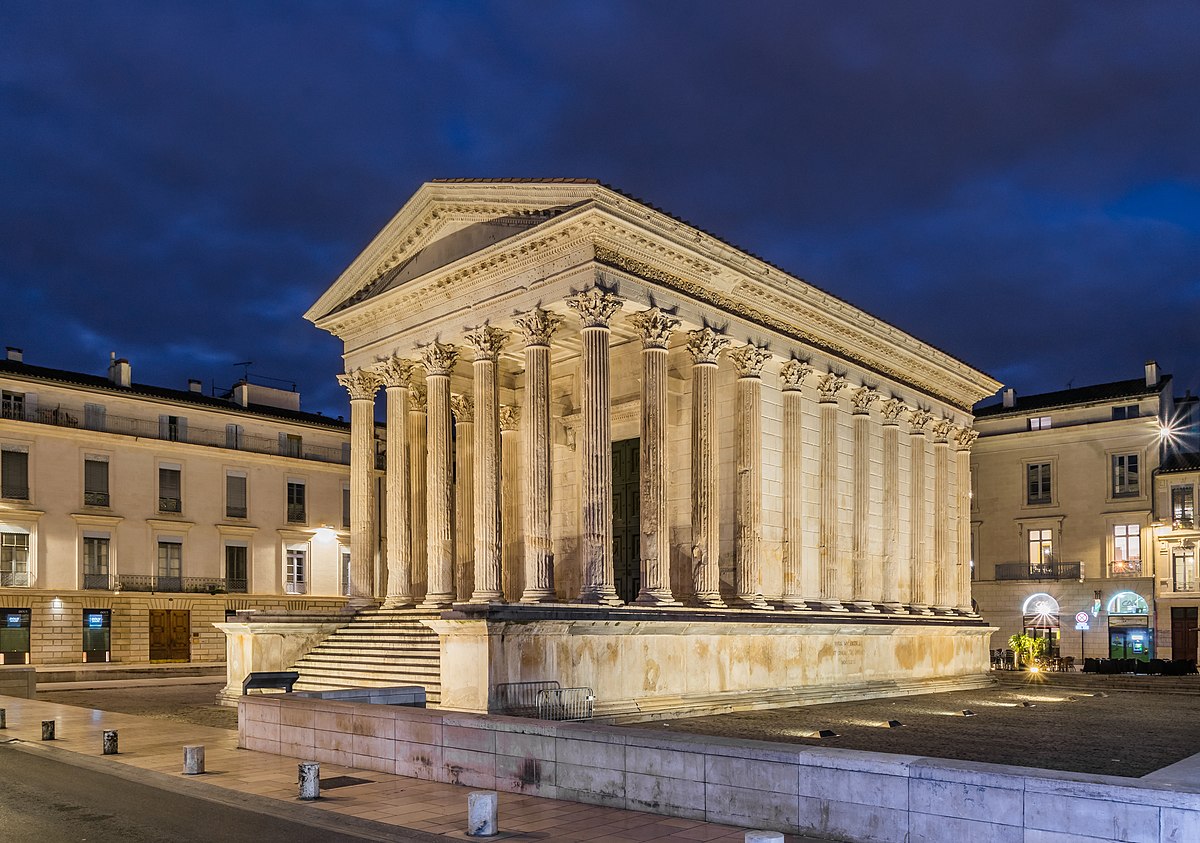
The Maison Carrée, one of the best-preserved Roman temples in the world, stands proudly in the heart of Nîmes, southern France. Constructed during the early years of the Roman Empire, this archaeological site reflects the grandeur of Roman architectural prowess and offers a fascinating glimpse into the religious and civic life of ancient times. Its iconic façade, with Corinthian columns and an elaborate portico, has made it a symbol of Nîmes and a must-visit attraction for history enthusiasts and casual travelers alike. Visitors are drawn not only to its aesthetic beauty but also to the rich narratives that surround its construction and usage throughout the centuries.
The temple is strategically located in the city center, making it easily accessible and a focal point for both locals and tourists. Nîmes, known for its well-preserved Roman structures, offers a unique blend of ancient history and modern culture. The Maison Carrée stands out as a significant landmark, inviting visitors to explore its architectural details and the stories of the community that once revered it.
As you approach the site, the grandeur of the temple captures the imagination, calling to mind the vibrant life of Nîmes during the Roman Empire. Today, the Maison Carrée serves not only as a historical monument but also as a cultural hub, hosting various events and exhibitions that further enrich the experience of visitors.
History and Significance
The Maison Carrée was constructed during the Roman Empire, a period marked by the expansion of Roman culture and influence across Europe. As a temple dedicated to the worship of the divine, it played an essential role in the spiritual life of Nîmes, serving as a place of public worship and civic gatherings. The temple’s significance extends beyond its religious function; it symbolizes the power and reach of Rome at a time when Nîmes was an important provincial capital.
The temple is believed to have been built in the early 1st century AD, possibly under the reign of Emperor Augustus. Its design and construction reflect the architectural style of the period, characterized by its harmonious proportions and intricate details. The Maison Carrée was not only a religious center but also a representation of the Roman ideals of order, beauty, and the divine.
Over the centuries, the Maison Carrée has undergone various transformations, serving different purposes throughout its history. In the Middle Ages, it was converted into a Christian church, which helped preserve its structure. However, it was during the Renaissance that the temple regained its prominence as a symbol of ancient Rome, inspiring artists and architects of the time.
The temple’s significance has been recognized by UNESCO, which designated it as an important heritage site. Its preservation offers invaluable insights into Roman architecture, religious practices, and the cultural exchanges that shaped the region. Today, the Maison Carrée stands as a testament to the enduring legacy of Roman civilization and continues to attract scholars, historians, and tourists from around the globe.
Architecture and Features
The architectural design of the Maison Carrée is a striking example of Roman temple architecture, characterized by its impressive façade and symmetrical proportions. The temple stands on a raised podium, accessed by a series of steps that lead to the grand entrance. The front of the temple features a portico with six Corinthian columns, each intricately designed and offering a glimpse into the sophistication of Roman craftsmanship.
The façade is adorned with deep-set niches, which once housed statues of deities or important figures, emphasizing the temple’s religious purpose. The entablature, which rests atop the columns, displays a frieze that adds to the visual appeal of the structure. The roof is adorned with a pediment, a typical feature of classical architecture, which enhances the temple’s grandeur.
Inside, the temple features a spacious cella, or inner chamber, where the cult statue would have been placed. This area was not accessible to the general public, reflecting the exclusivity of religious practices during the Roman era. The overall design of the Maison Carrée highlights the Romans’ mastery of architectural techniques, including the use of columns, symmetry, and decorative elements that create a sense of harmony and balance.
The temple’s preservation has allowed for the study of ancient construction methods and materials, providing valuable insights into the engineering skills of the Romans. The Maison Carrée remains an iconic representation of Roman architecture, influencing countless structures in later periods and continuing to inspire modern architects.
Visiting Information
Visiting the Maison Carrée is a rewarding experience for anyone interested in history and architecture. The site is located in the city center of Nîmes, making it easily accessible by foot or public transportation. Visitors can expect a well-preserved structure that showcases the grandeur of ancient Roman architecture.
When planning a visit, it is advisable to check the official website for current information regarding opening hours and ticket prices, as these can vary throughout the year. Typically, visitors may spend about an hour exploring the temple and its surroundings, allowing for ample time to appreciate its architectural details and take photographs.
The best times to visit the Maison Carrée are during the spring and fall when the weather is mild, and the crowds are generally smaller. Summer months can be particularly busy, so early morning visits are recommended to avoid peak tourist times.
Expect to find informative displays and possibly guided tours that provide deeper insights into the history and significance of the site. The surrounding area offers additional attractions, including shops and cafés, making it a pleasant stop during a day of exploration in Nîmes.
Nearby Attractions
While visiting the Maison Carrée, take the opportunity to explore other notable attractions in Nîmes:
Les Arènes de Nîmes: This well-preserved Roman amphitheater is one of the largest in France and showcases the grandeur of Roman entertainment venues.
La Tour Magne: A Roman watchtower that offers panoramic views of the city and serves as a reminder of Nîmes’ historical significance.
Temple de Diane: Another impressive Roman structure located in the nearby Jardins de la Fontaine, this temple is dedicated to the goddess Diana and features beautiful gardens.
Jardins de la Fontaine: A serene park that showcases classical landscaping and provides a peaceful environment for a leisurely stroll.
Musée de la Romanité: A modern museum located near the Maison Carrée that features exhibits on Roman history and culture, enhancing the context of your visit.
Insider Tips
To make the most of your visit to the Maison Carrée, consider the following tips:
Photography: Early morning or late afternoon light can enhance your photographs of the temple, highlighting its architectural details without harsh shadows. Be mindful of the crowds, especially during peak tourist season.
Crowd Avoidance: To experience the site with fewer visitors, plan your visit during weekdays rather than weekends and aim for early morning access. This timing allows for a more relaxed exploration of the site.
Combine Visits: Consider visiting the nearby attractions, such as the Les Arènes and the Musée de la Romanité, to enrich your understanding of Nîmes’ Roman heritage in one trip.
Practical Information
When preparing for your visit to the Maison Carrée, keep the following practical considerations in mind:
What to Bring: Comfortable walking shoes are recommended, as exploring the area will involve walking on cobblestone streets. Don’t forget your camera to capture the stunning architecture.
Seasonal Considerations: The weather in Nîmes can vary, so check the forecast before your visit. Summers can be hot, so dress accordingly, and bring water to stay hydrated. Spring and fall offer more temperate conditions.
Accessibility: The site is generally accessible, but it is advisable to check with the official website for specific information regarding wheelchair access and facilities for those with mobility issues.
Frequently Asked Questions
How long should I spend visiting?
A visit to the Maison Carrée typically takes about an hour, allowing time to explore the temple and its surroundings.
Is photography allowed?
Yes, photography is permitted, so feel free to capture the architectural details and your experience.
Are there guided tours?
Yes, guided tours may be available, providing deeper insights into the history and significance of the temple. Check the official website for details.
What’s the best time to visit?
The best times to visit are during the spring and fall when the weather is mild and crowds are smaller.
Is it wheelchair accessible?
The site is generally accessible, but it is recommended to check the official website for specific accessibility options.
Can I buy tickets online?
Check the official website for information on ticket purchasing options, including online sales.
Are there restrooms and cafes?
Nearby facilities may include restrooms and cafes, providing amenities for visitors.
What should I wear?
Wear comfortable clothing and shoes suitable for walking, and consider the weather conditions when planning your outfit.
Photo Gallery
Visit Information
Quick Facts
- Heritage Type
- Archaeological Site
- UNESCO Status
- World Heritage Site
- Region
- Nîmes
- Wikidata ID
- Q677659
More in France
Abattis Evrard
📍 Remire-Montjoly, France
Abattis Evrard is a notable archaeological site situated in Remire-Montjoly, a region of French Guiana. This site is essential for understanding the …
L'Artchipel
📍 Basse-Terre, France
L’Artchipel stands as a central hub for the performing arts in Basse-Terre, the capital of Guadeloupe. This theatre is not just a venue; it is a …
La Savane
📍 Martinique, France
La Savane is a tranquil park situated in the vibrant region of Martinique, offering a serene escape from the bustling urban environment. This green …
parc Boisé
📍 Le Port, France
Parc Boisé offers a peaceful retreat from the bustling life of urban settings, making it a favorite spot for locals and visitors seeking tranquility …

Pont de la Gabarre
📍 Les Abymes, France
The Pont de la Gabarre stands as an important infrastructure project in the region of Les Abymes, located in the French Caribbean. This bridge serves …
pont mobile de l'Alliance
📍 Les Abymes, France
The pont mobile de l’Alliance is an essential infrastructure in Les Abymes, offering a vital connection for both vehicles and pedestrians across the …
Q49537610
📍 Réunion, France
Q49537610 Park, located on the picturesque island of Réunion in the Indian Ocean, offers visitors a unique blend of natural beauty and tranquil …
More UNESCO World Heritage

29th Division Memorial
📍 Beaumont-Hamel, France
The 29th Division Memorial serves as a solemn remembrance of the bravery and sacrifice of the soldiers from the 29th Division, who fought valiantly …

Beaumont-Hamel Newfoundland Memorial Park
📍 Auchonvillers, France
The Beaumont-Hamel Newfoundland Memorial Park stands as a significant tribute to the Newfoundland Regiment, which bravely fought during the Battle of …

Cathedral of Notre-Dame, Former Abbey of Saint-Rémi and Palace of Tau, Reims
📍 Reims, France
Reims, the capital of the Champagne region in northeastern France, is an important city steeped in history and culture. Among its most significant …

Memorial stones and tombs of Petit Donon
📍 Grandfontaine, France
Located in the picturesque region of Grandfontaine, the Memorial Stones and Tombs of Petit Donon are dedicated to the memory of soldiers who perished …
Monument of the Executed at Fleury-devant-Douaumont
📍 Fleury-devant-Douaumont, France
Situated in the heart of the Meuse department, the Monument of the Executed at Fleury-devant-Douaumont stands as a solemn reminder of the sacrifices …

Muslim Monument of Douaumont
📍 Fleury-devant-Douaumont, France
The Muslim Monument of Douaumont is a significant war memorial situated in the serene landscape of Fleury-devant-Douaumont, a town steeped in the …

Neuville-Saint-Vaast Czechoslovakian Cemetery
📍 Neuville-Saint-Vaast, France
The Neuville-Saint-Vaast Czechoslovakian Cemetery serves as a poignant reminder of the sacrifices made by Czechoslovak soldiers during World War I. …