
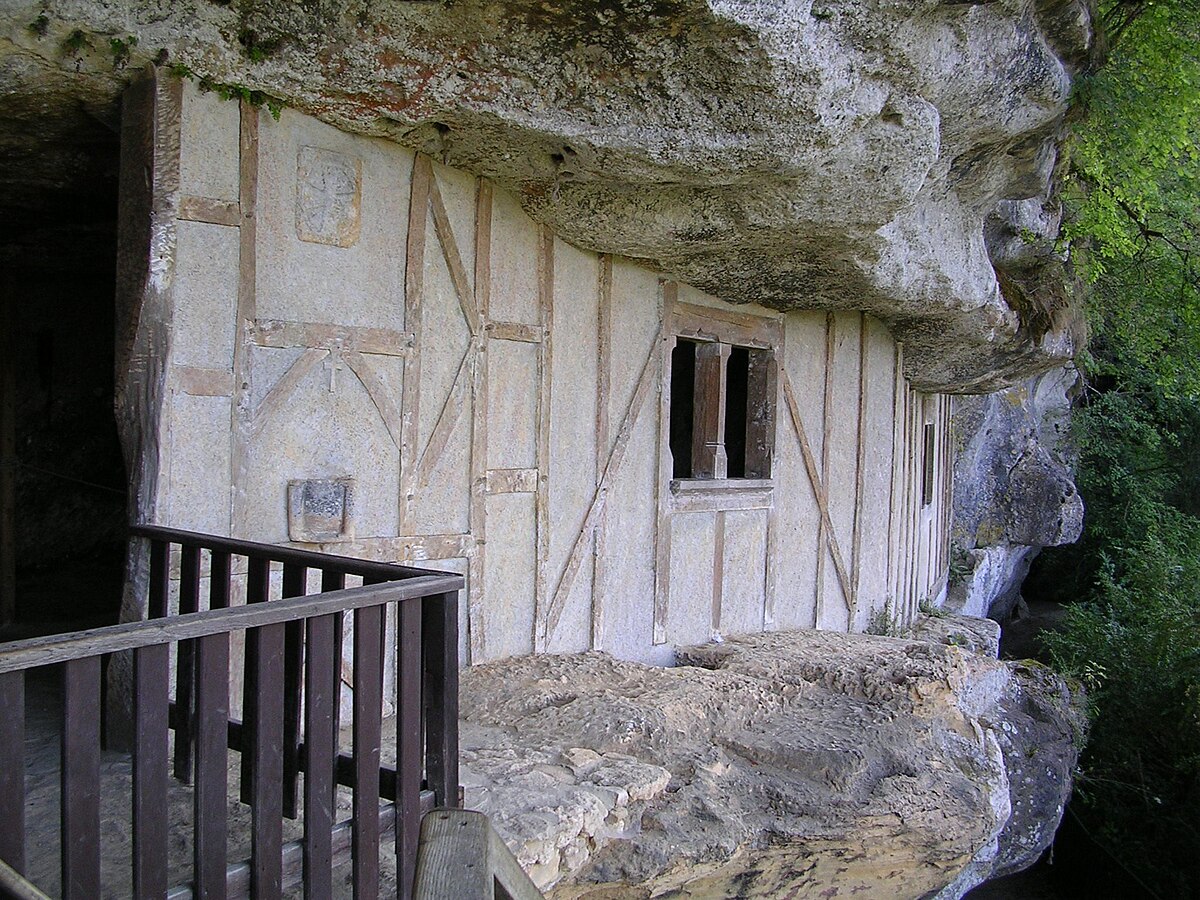


La Roque Saint-Christophe
Overview
La Roque Saint-Christophe is an extraordinary archaeological site located in the Dordogne region of France, specifically in Peyzac-le-Moustier. This massive limestone cliff, which stretches over 400 meters, served as a natural dwelling for prehistoric humans, offering a unique glimpse into early human life in the region. The site is significant not only for its geological features but also for its rich history, providing insight into the survival strategies and social structures of our ancestors. As a UNESCO World Heritage candidate site, La Roque Saint-Christophe invites visitors to explore the depths of human history and the evolution of settlement patterns, making it a fascinating stop for those interested in archaeology and heritage.
The cliff features a series of natural rock shelters that were utilized by humans over thousands of years. These shelters are a testament to the ingenuity of early humans who adapted to their environment. The site is surrounded by lush vegetation and scenic landscapes, making it not only a place of historical significance but also a picturesque location for exploration. Visitors can expect to engage with the site through well-marked paths that lead to various vantage points, making it an enriching experience for history enthusiasts and nature lovers alike.
History and Significance
La Roque Saint-Christophe holds a prominent place in the narrative of human evolution. Archaeological findings indicate that this site was inhabited during the prehistoric era, with evidence of human activity dating back thousands of years. The cliff’s natural rock shelters provided protection from the elements, making it an ideal location for early humans to establish a settlement.
The site has been of interest to archaeologists and historians due to its well-preserved structures and artifacts that shed light on the daily lives of its inhabitants. Excavations have revealed tools, pottery, and evidence of fire, which highlight the technological advancements of the time and the social practices of those who lived here. As a location where multiple cultures and groups likely converged, La Roque Saint-Christophe serves as a critical point of study for understanding prehistoric life across Europe.
In addition to its archaeological significance, La Roque Saint-Christophe is embedded in local folklore and culture. It is often referenced in discussions about prehistoric man and the evolution of human societies in Europe, making it a crucial part of France’s cultural heritage. The site contributes to our understanding of how early humans adapted to their environment, organized their communities, and developed tools and strategies for survival.
Architecture and Features
The most striking aspect of La Roque Saint-Christophe is its sheer size and the natural formation of the cliff itself. The rock shelters are carved into the limestone, forming a series of niches and overhangs that exhibit impressive geological features. These shelters are a prime example of how early humans utilized the natural landscape to create living spaces, providing protection from predators and harsh weather conditions.
Inside the shelters, visitors can observe remnants of ancient human activity, though many of the most significant findings have been carefully preserved to protect them from damage. The architecture of the site reflects a blend of natural and human-made structures, with signs of habitation ranging from simple fire pits to more complex arrangements of living areas.
The site is enhanced by well-maintained pathways and observation points that allow for exploration and appreciation of the cliff’s grandeur. Information panels are placed throughout the area, offering insights into the archaeological significance of various features and artifacts. The combination of natural beauty and historical richness makes La Roque Saint-Christophe an unforgettable experience for visitors.
Visiting Information
La Roque Saint-Christophe is accessible via various modes of transportation. The nearest major city is Sarlat-la-Canéda, from where visitors can reach the site by car or by public transport. The coordinates of the site are 44.99027778, 1.06444444, which can be entered into navigation systems for precise directions.
Check the official website for current information regarding opening hours and ticket prices. It is advisable to allocate at least two to three hours for a visit to fully appreciate the site and its surroundings. Visitors can expect to walk along designated trails that meander through the area, offering opportunities to view the rock formations up close and learn about their historical context.
The best times to visit La Roque Saint-Christophe are during the spring and fall months when the weather is mild, and the tourist crowds are generally thinner. This allows for a more intimate experience with the site, as well as the chance to enjoy the natural beauty of the surrounding landscape.
Nearby Attractions
While visiting La Roque Saint-Christophe, there are several nearby attractions worth exploring:
Lascaux Caves: Just a short drive away, these caves are famous for their prehistoric cave paintings, showcasing some of the earliest examples of human artistry.
Beynac-et-Cazenac: This picturesque village features a stunning medieval castle and charming streets, offering a glimpse into France’s rich history.
Castelnaud-la-Chapelle: Another nearby castle, this site includes a museum dedicated to the history of warfare, with exhibits featuring medieval weaponry and armor.
Sarlat-la-Canéda: Known for its well-preserved medieval architecture, Sarlat is a delightful town to explore, with plenty of shops, cafes, and markets.
Les Eyzies-de-Tayac: This village is known as the capital of prehistory and is home to several museums and archaeological sites, making it a great addition to any itinerary.
Insider Tips
For photography enthusiasts, La Roque Saint-Christophe offers numerous vantage points that capture the grandeur of the limestone cliffs and the surrounding landscapes. Early morning or late afternoon light can enhance your photos, providing a warm glow to the rock formations.
To avoid crowds, consider visiting on weekdays, particularly during the shoulder seasons of spring and fall. This can lead to a more peaceful experience, allowing for quiet reflection on the site’s historical significance.
Practical Information
When planning your visit to La Roque Saint-Christophe, it’s advisable to wear comfortable shoes suitable for walking on uneven terrain. Bring water and snacks, as facilities may be limited on-site. Seasonal considerations include checking the weather forecast, as rain can make paths slippery.
Dress in layers, as temperatures can fluctuate throughout the day, especially in spring and autumn. A light jacket may be useful for cooler mornings or evenings, while warmer clothing is advisable in winter months.
Frequently Asked Questions
How long should I spend visiting?
Allocate at least two to three hours to explore the site thoroughly.
Is photography allowed?
Yes, photography is generally permitted, but be respectful of the site and its regulations.
Are there guided tours?
Check the official website for information on guided tours and special events.
What’s the best time to visit?
The best times to visit are in spring and fall when the weather is mild and crowds are smaller.
Is it wheelchair accessible?
Due to the natural terrain, some areas may be challenging for wheelchair users. Check the official website for specific accessibility information.
Can I buy tickets online?
Check the official website for current ticketing options, including online purchases.
Are there restrooms and cafes?
Facilities may be limited at the site, so plan accordingly and check the official website for details.
What should I wear?
Wear comfortable clothing and sturdy shoes for walking on uneven surfaces. Dress in layers for changing weather conditions.
Photo Gallery
More in Occitanie
Agathe
📍 Gaul, France
Agathe is an evocative archaeological site that offers a glimpse into the life and culture of an ancient Greek settlement in Gaul. Situated at …
Allées funéraires de Lumé
📍 Fargues-sur-Ourbise, France
The Allées funéraires de Lumé, located in the tranquil region of Fargues-sur-Ourbise, France, is an archaeological site that offers a unique glimpse …

Anderitum
📍 Javols, France
Anderitum, located in the historic region of Javols in Lozère, France, is an archaeological site that transports visitors into the heart of …

Aqueduc de Castries
📍 Castries, France
The Aqueduc de Castries, situated in the Hérault region of France, is a remarkable engineering feat that dates back to the 18th century. Constructed …

Arago cave
📍 Tautavel, France
Situated in the picturesque region of Tautavel, the Arago Cave is an archaeological site of great importance, particularly for its contributions to …

Barrails Viaduct
📍 Arveyres, France
The Barrails Viaduct, a striking bridge in the heart of Arveyres, France, serves as a vital connection in the country’s transportation network while …

Bibliothèque municipale fonds ancien du Pays de Cahors
📍 Cahors, France
The Bibliothèque municipale fonds ancien du Pays de Cahors is more than just a library; it is a repository of knowledge and culture that has played a …
More Archaeological Sites
A Figa
📍 France
A Figa presents a fascinating glimpse into the ancient past of Corsica, an island steeped in historical significance and natural beauty. Situated in …
Abattis Evrard
📍 Remire-Montjoly, France
Abattis Evrard is a notable archaeological site situated in Remire-Montjoly, a region of French Guiana. This site is essential for understanding the …
abri Audi
📍 Les Eyzies-de-Tayac-Sireuil, France
The abri Audi, situated in the picturesque region of Les Eyzies-de-Tayac-Sireuil in France, is a remarkable archaeological site that offers a glimpse …

Abri de Villepin
📍 France
The Abri de Villepin, located in the picturesque region of France, is an archaeological site that holds significant importance for understanding early …

Abri des pêcheurs
📍 Berrias-et-Casteljau, France
The Abri des pêcheurs, located in the picturesque region of Berrias-et-Casteljau, France, is a remarkable archaeological site that provides a window …

abri Gay
📍 Poncin, France
The abri Gay is an archaeological site situated in the picturesque region of Poncin, France. Renowned for its extensive prehistoric artifacts, this …

Adsilanum
📍 France
Adsilanum is an archaeological site located in the picturesque region of France. This site holds significant archaeological value, offering a glimpse …