


Gisacum
Overview
Gisacum, located in the heart of France, is an archaeological site that offers a glimpse into the lives of the Romans who settled in this region of Gaul. Dating back to the Roman Empire, this site is significant for its well-preserved ruins that highlight the architectural prowess and urban planning of the period. Situated approximately 49 kilometers from the city of Rouen, Gisacum lies near the town of Évreux, providing a rich historical context for visitors interested in exploring ancient civilization.
As you approach Gisacum, you are transported into a world where Roman culture thrived. The site is marked by a series of structures that were once part of a bustling Roman settlement, making it an invaluable resource for understanding the daily lives of its inhabitants. Not only does Gisacum function as a key archaeological site, but it also serves as a testament to the broader historical narratives of Roman influence in France, shedding light on trade, governance, and social structure during a pivotal era.
Visitors to Gisacum will find themselves immersed in an experience that combines education with exploration. The site invites you to walk among the remnants of ancient buildings, providing a unique opportunity to connect with the past in a tangible way. This blend of history and archaeology makes Gisacum an essential stop for anyone interested in the Roman legacy in France.
History and Significance
The history of Gisacum is intertwined with the larger narrative of Roman expansion into Gaul, which began around the 1st century BC. As the Romans established their presence in this region, they introduced new architectural styles, urban planning principles, and cultural practices that would forever change the landscape of France. Gisacum, likely established as a Roman settlement, served as a crucial administrative and commercial hub.
Archaeological excavations at Gisacum have revealed a variety of structures, including residential buildings, public spaces, and facilities indicative of trade and commerce. These findings have provided significant insight into the daily lives of the inhabitants, their socio-economic interactions, and the integration of Roman customs with local traditions. The layout of Gisacum reflects advanced urban planning, showcasing streets, public squares, and residential zones that catered to the needs of its citizens.
The significance of Gisacum extends beyond its architecture; it represents the cultural exchange that occurred as the Romans interacted with various Gallic tribes. This site is crucial for understanding how Roman culture influenced local customs and vice versa, creating a unique blend that has shaped the historical narrative of France. The artifacts and ruins found at Gisacum not only serve as a reminder of Roman ingenuity but also as a reflection of the resilience and adaptability of the local population.
Today, Gisacum stands as an important site for archaeological research and education. Scholars continue to study the remnants of this Roman settlement, contributing to our understanding of ancient societies in Europe. As such, Gisacum is not just a place of ruins; it is a vibrant center of historical inquiry that invites visitors to explore the complexities of Roman life in Gaul.
Architecture and Features
The architecture of Gisacum is characterized by a blend of Roman design principles and local adaptations, reflecting the ingenuity of its builders in a provincial setting. Among the most notable features of the site are the remains of heavy stone structures, which include residential buildings, public baths, and possibly temples dedicated to Roman deities. The use of stone in construction is a distinctive feature, emphasizing the architectural style prevalent during the Roman Empire.
A significant aspect of the site is the layout of the settlement, which follows a grid pattern typical of Roman towns. This systematic approach to urban planning is evident in the arrangement of streets and public spaces, facilitating efficient movement and social interaction. The streets, though now overgrown and weathered, hint at the once-bustling thoroughfares that served as the lifeblood of the community.
One of the most striking elements of Gisacum is the well-preserved remnants of the public baths, a hallmark of Roman engineering. These baths were not only centers for hygiene but also social hubs where citizens gathered to discuss matters of the day. The architectural sophistication of these structures, featuring complex heating systems and spacious communal areas, underscores the importance of public baths in Roman society.
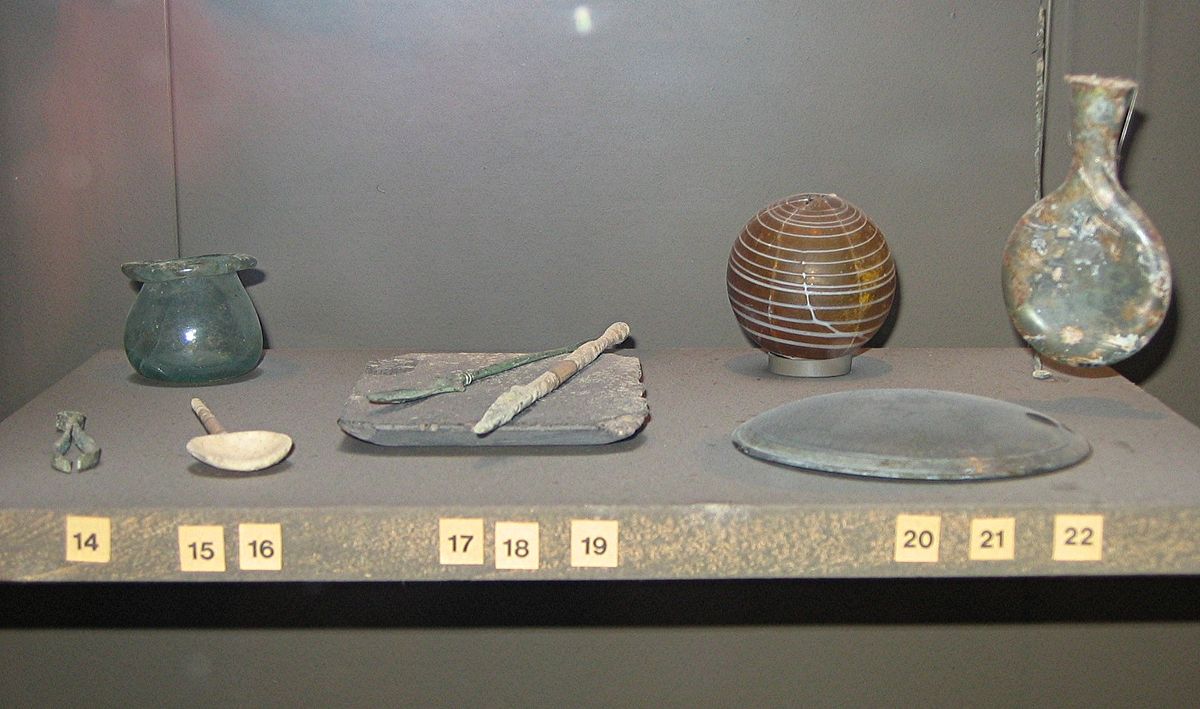
Visitors to Gisacum will also find a variety of artifacts, including pottery, tools, and coins, which provide additional context to the site’s history. These items, excavated from various locations within the settlement, offer insights into the daily lives and economic activities of its inhabitants. The combination of architectural remains and artifacts creates a layered understanding of life in this Roman settlement, making Gisacum a fascinating destination for those interested in archaeology and history.
Visiting Information
Visiting Gisacum offers an enriching experience for history enthusiasts and casual travelers alike. The site is accessible through various means of transport, with the nearest major city being Évreux. From Évreux, visitors can take local transport options that provide convenient access to the archaeological site. Given its location, it is recommended to check the official website for current transportation options.
When planning your visit, it’s essential to verify the operating hours and any entrance fees, as this information may change seasonally. Visitors should expect to spend a few hours exploring the site to fully appreciate the ruins and the surrounding landscape. Guided tours may be available, offering deeper insights into the history and significance of Gisacum.
The best time to visit is during the spring and fall months, when the weather is mild, and the site is less crowded. This allows for a more intimate experience as you stroll through the remains of the ancient settlement. Be prepared for varying weather conditions and dress accordingly, as the site is mostly outdoors.
In addition to the archaeological wonders, visitors can find amenities nearby, including rest areas and cafes, which can enhance the overall experience. Remember to carry water and snacks, especially if you plan to spend an extended period exploring the site.
Nearby Attractions
Gisacum is situated in a region rich with historical and cultural attractions that complement a visit to the archaeological site. Here are a few nearby points of interest:
Évreux: Just a short distance from Gisacum, Évreux is home to a stunning Gothic cathedral and several museums that showcase the region’s history, making it an excellent stop for those interested in further exploration.
Abbey of Saint-Pierre: This nearby abbey is a remarkable example of Romanesque architecture and offers insights into monastic life in the Middle Ages, providing a contrast to the Roman heritage of Gisacum.
Château de Bizy: Located in the vicinity, this charming château features beautiful gardens and offers guided tours that delve into its rich history and the art of French landscaping.
Rouen: A bit farther afield, Rouen is known for its medieval architecture, including the famous Rouen Cathedral and the historic old town, making it a worthwhile day trip for visitors.
Giverny: Home to the stunning gardens of Claude Monet, Giverny is a must-visit for art lovers and those wanting to experience the beauty of Impressionist landscapes.
Insider Tips
To make the most of your visit to Gisacum, consider these insider tips:
Photography: Bring a camera to capture the intriguing ruins and artifacts. Early morning or late afternoon light can create beautiful photographs, especially with the soft glow illuminating the stone structures.
Crowd Avoidance: To enjoy a quieter experience, aim to visit during weekdays or outside of peak tourist seasons. Early mornings are generally less crowded, allowing for a more peaceful exploration.
Guided Tours: If available, consider joining a guided tour for a more in-depth understanding of the site’s history and significance. Knowledgeable guides can provide context that enriches your experience.
Comfortable Shoes: Wear comfortable footwear, as the site may require some walking on uneven terrain. This will help you fully appreciate the expansive area.
Practical Information
When planning your trip to Gisacum, keep the following practical information in mind:
What to Bring: It’s advisable to carry water, snacks, and a hat or sunscreen for sun protection, especially during warmer months. A map or guidebook can also enhance your experience.
Seasonal Considerations: The site is open year-round, but some features may be less accessible during winter months. Always check the official website for current information regarding access and conditions.
Accessibility: While some areas of the site may be challenging for those with mobility issues, efforts are often made to accommodate all visitors. It’s best to check ahead for any specific accessibility information.
Restroom Facilities: Facilities may be limited at the site, so plan accordingly, especially if visiting with children. Nearby towns like Évreux may offer more comprehensive amenities.
Frequently Asked Questions
How long should I spend visiting?
A visit to Gisacum typically takes about 2 to 3 hours, allowing ample time to explore the ruins and any additional exhibits.
Is photography allowed?
Yes, photography is generally permitted, but be mindful of any restrictions in specific areas or during guided tours.
Are there guided tours?
Guided tours may be available, providing deeper insights into the history and significance of the site. Check the official website for more details.
What’s the best time to visit?
The best times to visit are during the spring and fall months when the weather is mild and crowds are reduced.
Is it wheelchair accessible?
While some areas may present challenges, efforts are made to accommodate visitors with mobility issues. It’s advisable to check ahead for specific accessibility options.
Can I buy tickets online?
Check the official website for information regarding ticket purchases, as options may vary based on the season.
Are there restrooms and cafes?
Facilities may be limited at the site itself, so visiting nearby towns for restrooms and refreshments is advisable.
What should I wear?
Comfortable clothing and sturdy shoes are recommended, especially for walking on uneven terrain. Dress in layers to adapt to changing weather conditions.
Exploring Gisacum offers a profound connection to the ancient past, revealing the intricacies of Roman life and culture in Gaul. Whether you are an ardent historian or a casual traveler, the site promises an enriching experience that resonates long after you leave.
Photo Gallery
More in Île-de-France
91 tombeaux de la Guerre de 1914-1918 du cimetière de Vanves
📍 Vanves, France
The 91 tombeaux de la Guerre de 1914-1918 du cimetière de Vanves, located in the Hauts-de-Seine department, serve as a solemn reminder of the …
A Figa
📍 France
A Figa presents a fascinating glimpse into the ancient past of Corsica, an island steeped in historical significance and natural beauty. Situated in …
À la mémoire des Arméniens morts pour la France
📍 Paris, France
À la mémoire des Arméniens morts pour la France is a significant memorial site that honors the contributions and sacrifices of Armenian soldiers who …
abri Audi
📍 Les Eyzies-de-Tayac-Sireuil, France
The abri Audi, situated in the picturesque region of Les Eyzies-de-Tayac-Sireuil in France, is a remarkable archaeological site that offers a glimpse …

Abri de Villepin
📍 France
The Abri de Villepin, located in the picturesque region of France, is an archaeological site that holds significant importance for understanding early …

Adsilanum
📍 France
Adsilanum is an archaeological site located in the picturesque region of France. This site holds significant archaeological value, offering a glimpse …

Alalia
📍 France
Alalia, located on the eastern coast of Corsica, is an archaeological site that holds great significance in understanding the ancient civilizations …
More Archaeological Sites
A Figa
📍 France
A Figa presents a fascinating glimpse into the ancient past of Corsica, an island steeped in historical significance and natural beauty. Situated in …
Abattis Evrard
📍 Remire-Montjoly, France
Abattis Evrard is a notable archaeological site situated in Remire-Montjoly, a region of French Guiana. This site is essential for understanding the …
abri Audi
📍 Les Eyzies-de-Tayac-Sireuil, France
The abri Audi, situated in the picturesque region of Les Eyzies-de-Tayac-Sireuil in France, is a remarkable archaeological site that offers a glimpse …
Abri de Villepin
📍 France
The Abri de Villepin, located in the picturesque region of France, is an archaeological site that holds significant importance for understanding early …

Abri des pêcheurs
📍 Berrias-et-Casteljau, France
The Abri des pêcheurs, located in the picturesque region of Berrias-et-Casteljau, France, is a remarkable archaeological site that provides a window …

abri Gay
📍 Poncin, France
The abri Gay is an archaeological site situated in the picturesque region of Poncin, France. Renowned for its extensive prehistoric artifacts, this …
Adsilanum
📍 France
Adsilanum is an archaeological site located in the picturesque region of France. This site holds significant archaeological value, offering a glimpse …