




Cucuruzzu
Overview
Cucuruzzu is a fascinating archaeological site located in the rugged terrain of the Corsican countryside, specifically in the commune of Levie. This site offers a glimpse into the ancient worlds of the island, particularly the Nuragic civilization, which thrived in Corsica over two millennia ago. The site is significant not just for its historical value but also for its breathtaking natural setting, where the lush landscapes serve as a backdrop to the remnants of ancient habitation.
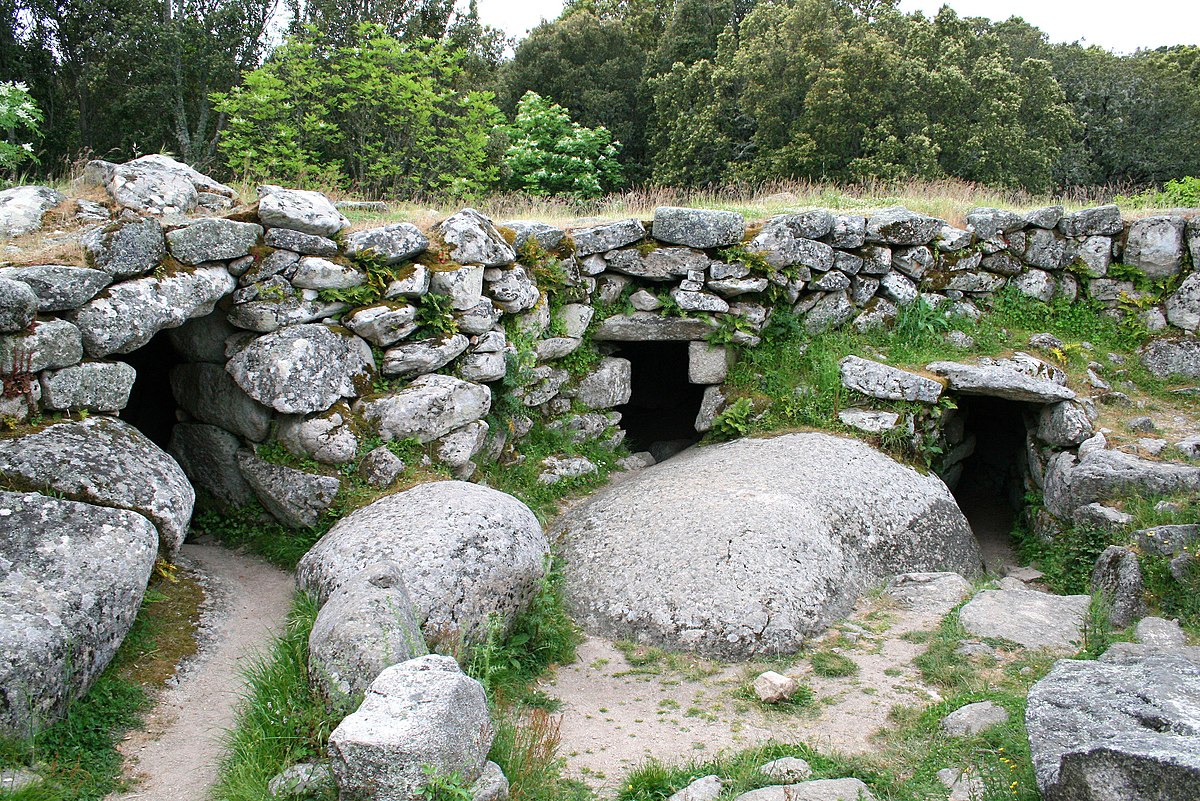
Visitors to Cucuruzzu can expect to encounter a range of stone structures, including towers and dwellings that tell a story of a bygone era. The unique architecture and layout of the site are indicative of the complex social and cultural dynamics of the Nuragic people. As you explore, you’ll find that Cucuruzzu serves as an important link to understanding the early human presence on the island, making it a must-visit for history enthusiasts and curious travelers alike.
History and Significance
Cucuruzzu is part of a broader network of Nuragic sites scattered across Corsica, each contributing to the narrative of the island’s ancient inhabitants. The Nuragic civilization, which emerged around the Bronze Age, is characterized by its megalithic architecture and unique cultural practices. While the specific dates of Cucuruzzu’s occupation remain unclear, it is widely accepted that the site was significant during the height of the Nuragic period.
The archaeological findings at Cucuruzzu include various artifacts, tools, and remnants of daily life that shed light on how the Nuragic people lived, worked, and interacted with their environment. The presence of large stone structures suggests that Cucuruzzu may have served as both a residential area and a communal space, possibly for ceremonies or gatherings. This dual-purpose nature of the site highlights the complexity of Nuragic society, which was organized and sophisticated.
In addition to its architectural and archaeological importance, Cucuruzzu is also a symbol of Corsican cultural heritage. The preservation of such sites is crucial for understanding the diverse influences that have shaped Corsica over the centuries, from ancient tribes to more contemporary cultures. Today, Cucuruzzu stands as a testament to the island’s rich historical narrative and continues to attract researchers and tourists eager to delve into its past.
Architecture and Features
The architectural features of Cucuruzzu are among its most striking elements. The site is primarily known for its impressive stone structures, which include a prominent tower that hints at the defensive capabilities of the Nuragic people. These towers, constructed from large stones without the use of mortar, demonstrate the advanced engineering techniques employed by the civilization.
Visitors will also notice the layout of the site, which consists of various interconnected buildings that suggest a well-planned community. The use of local stone materials not only showcases the resourcefulness of the inhabitants but also integrates the structures harmoniously into the landscape. The buildings are often characterized by thick walls, small windows, and low doorways, which provide insight into the architectural styles of the time.
One of the most notable features of Cucuruzzu is its strategic location atop a hill, allowing for panoramic views of the surrounding countryside. This vantage point would have been advantageous for monitoring the area, further emphasizing the site’s potential role in defense and surveillance. The combination of architectural ingenuity and natural beauty makes Cucuruzzu an extraordinary example of ancient engineering and cultural expression.
Visiting Information
Cucuruzzu is accessible to visitors wishing to explore this significant archaeological site. The site is located near Levie, making it relatively straightforward to reach by car or public transport from major cities in Corsica. The journey through the scenic landscapes adds to the overall experience, with winding roads leading to the site.
Check the official website for current information on hours and prices, as these can vary seasonally. Typically, visitors should allocate a few hours to fully appreciate the site, allowing time to walk around and absorb the historical context. The best times to visit are during the spring and early autumn when the weather is mild and the surrounding flora is in bloom, enhancing the beauty of the landscape.
While exploring Cucuruzzu, expect a combination of rugged terrain and well-maintained paths. Comfortable walking shoes are recommended, as the site may require some light hiking. Guided tours are often available, providing deeper insights into the history and significance of the site.
Nearby Attractions
While visiting Cucuruzzu, consider exploring other nearby attractions that enhance your understanding of Corsica’s rich cultural landscape:
Filitosa - Another prominent archaeological site located not far from Cucuruzzu, Filitosa is famous for its prehistoric standing stones and sculptures, providing a deeper insight into the island’s ancient past.
The Village of Levie - The nearby village is worth a visit for its charming streets and local cuisine. Here, you can experience Corsican culture firsthand and enjoy traditional dishes.
A Cupulatta - Located in the vicinity, this tortoise reserve is dedicated to the conservation of various tortoise species, making it an interesting stop for families and animal lovers.
The Regional Natural Park of Corsica - Just a short drive away, this expansive park offers stunning hiking trails, diverse wildlife, and opportunities for outdoor activities, showcasing the natural beauty of Corsica.
Sartène - A picturesque town known for its historical architecture and vibrant cultural scene, Sartène is an excellent destination for those looking to delve deeper into Corsican heritage.
Insider Tips
To make the most of your visit to Cucuruzzu, consider these insider tips:
Photography: The site offers many opportunities for captivating photographs, particularly in the early morning or late afternoon when the light is soft. Be mindful of other visitors and the natural environment while capturing your memories.
Crowd Avoidance: If you prefer a quieter experience, aim to visit during weekdays or outside of peak tourist seasons. Early mornings often attract fewer visitors, allowing for a more peaceful exploration.
Practical Information
When preparing for your visit to Cucuruzzu, keep these practical considerations in mind:
What to Bring: Ensure you have comfortable footwear, water, and possibly a hat or sunscreen, especially during warmer months. A camera or binoculars can enhance your experience, allowing you to capture the beauty of the site and its surroundings.
Seasonal Considerations: The climate in Corsica can vary significantly throughout the year. Spring and autumn are usually the best times for visiting, with pleasant temperatures and fewer crowds. Summer can be hot, so plan accordingly if you choose to visit during that season.
Frequently Asked Questions
How long should I spend visiting?
Most visitors find that a visit of 2 to 3 hours allows ample time to explore the site and appreciate its historical context.
Is photography allowed?
Yes, photography is typically allowed at Cucuruzzu, but be respectful of other visitors and the site itself.
Are there guided tours?
Guided tours are often available and can provide valuable insights into the history and significance of the site.
What’s the best time to visit?
Spring and early autumn are the best times to visit due to mild weather and fewer tourists.
Is it wheelchair accessible?
Due to the natural terrain and stone structures, accessibility may be limited. Check the official website for specific information.
Can I buy tickets online?
Check the official website for information regarding ticket purchases and availability.
Are there restrooms and cafes?
Facilities may be limited on-site, so plan accordingly. Nearby towns may offer dining options.
What should I wear?
Dress comfortably and wear sturdy shoes suitable for walking on uneven terrain. Consider weather conditions when planning your outfit.
Photo Gallery
More in Corsica
Apazzu
📍 Sartène, France
Located in the picturesque region of Sartène, Apazzu is an archaeological site that captivates visitors with its enigmatic stone row. This site is a …
Araguina-Sennola
📍 Bonifacio, France
The Araguina-Sennola archaeological site is a remarkable destination situated in the scenic region of Bonifacio, France. This site is significant not …

Bonifacio cemetery
📍 Bonifacio, France
Perched on the edge of a limestone cliff, the Bonifacio Cemetery offers a poignant glimpse into the past, set against the stunning backdrop of the …

Capula
📍 Levie, France
Capula, situated in the scenic region of Levie in France, is an archaeological site that offers a fascinating glimpse into the ancient past. This site …

Casteddu di Ceccia
📍 Porto-Vecchio, France
The Casteddu di Ceccia, one of the prominent archaeological sites in Corsica, provides a glimpse into the region’s ancient history. Located in …

Casteddu di Tappa
📍 Sotta, France
Casteddu di Tappa is a fascinating archaeological site located in the scenic region of Sotta, France. This site reveals remnants of a past …
Ceccia
📍 Haute-Corse, France
Ceccia is an archaeological site located on the picturesque island of Corsica, in the Haute-Corse region of France. This site offers visitors a …
More Archaeological Sites
A Figa
📍 France
A Figa presents a fascinating glimpse into the ancient past of Corsica, an island steeped in historical significance and natural beauty. Situated in …
Abattis Evrard
📍 Remire-Montjoly, France
Abattis Evrard is a notable archaeological site situated in Remire-Montjoly, a region of French Guiana. This site is essential for understanding the …
abri Audi
📍 Les Eyzies-de-Tayac-Sireuil, France
The abri Audi, situated in the picturesque region of Les Eyzies-de-Tayac-Sireuil in France, is a remarkable archaeological site that offers a glimpse …

Abri de Villepin
📍 France
The Abri de Villepin, located in the picturesque region of France, is an archaeological site that holds significant importance for understanding early …

Abri des pêcheurs
📍 Berrias-et-Casteljau, France
The Abri des pêcheurs, located in the picturesque region of Berrias-et-Casteljau, France, is a remarkable archaeological site that provides a window …

abri Gay
📍 Poncin, France
The abri Gay is an archaeological site situated in the picturesque region of Poncin, France. Renowned for its extensive prehistoric artifacts, this …

Adsilanum
📍 France
Adsilanum is an archaeological site located in the picturesque region of France. This site holds significant archaeological value, offering a glimpse …