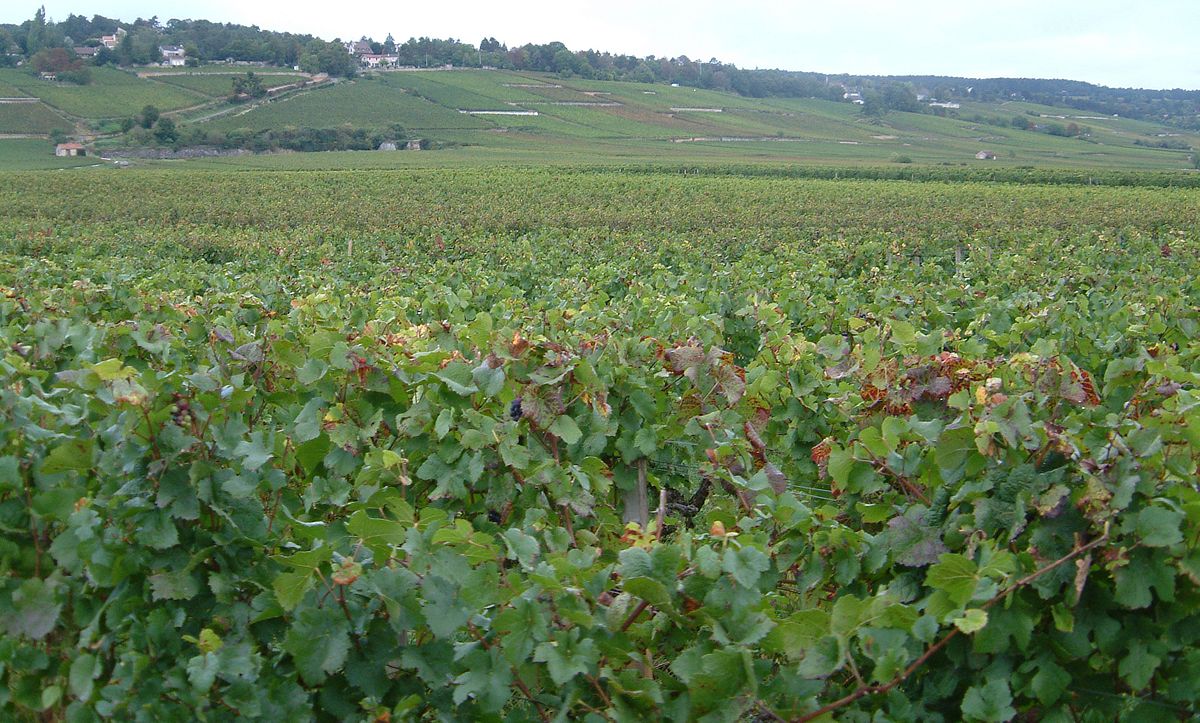
Climats, terroirs of Burgundy
Overview
The Climats, terroirs of Burgundy, located in the heart of France, represent a remarkable union of culture and viticulture. This UNESCO World Heritage Site is recognized for its unique climatic conditions and the centuries-old vineyards that thrive in the Burgundy region. The term “climat” refers to a specific vineyard site characterized by its unique microclimate, soil type, and topography, which significantly influences the quality of the wine produced. The Climats of Burgundy are not just about the grapes; they encapsulate the rich traditions and practices of winemaking that have been meticulously honed over generations.
The site covers a diverse range of vineyards and landscapes, showcasing the intricate relationship between the land and the wine produced. The heritage of Burgundy is deeply interwoven with its terroirs, making it an essential destination for wine lovers, cultural enthusiasts, and anyone interested in the history of viticulture. Visitors can explore the picturesque vineyards and charming villages that dot the landscape, gaining insights into the techniques and stories behind one of the world’s most esteemed wine regions. This guide serves as a comprehensive resource for those looking to delve into the history, architecture, and experiences that the Climats, terroirs of Burgundy offer.
History and Significance
The history of the Climats, terroirs of Burgundy stretches back centuries, with winemaking practices dating as far back as Roman times. The region’s unique terroir has been cultivated by monastic orders and local communities, who recognized the potential of the land for producing exceptional wine. The careful selection of grape varieties and the development of vineyard practices have contributed to the distinctiveness of Burgundy wines, which are celebrated globally for their quality and richness.
In 2015, the Climats were inscribed as a UNESCO World Heritage Site, a recognition that highlights not only the vineyards but also the cultural landscape that has evolved around them. The classification underscores the importance of the Climats in understanding the historical and social factors that have shaped winemaking in the region. The intricate network of vineyards, each with its own identity, reflects the deep-rooted traditions and knowledge passed down through generations.
The interaction between the land, the climate, and the cultivation methods has created an unparalleled viticultural heritage. The Climats serve as a living laboratory for sustainable agricultural practices and offer insights into the challenges and opportunities faced by contemporary winemakers. This historical significance is complemented by the vibrant wine culture that continues to thrive in Burgundy today.
Architecture and Features
The architectural ensemble of the Climats, terroirs of Burgundy encompasses a variety of structures that are integral to the winemaking process. Traditional wine cellars, charming châteaux, and historic villages characterize the landscape, each contributing to the region’s unique identity. The buildings often reflect local architectural styles and materials, harmonizing with the natural surroundings.
One of the key features of the Climats is the presence of small, family-owned wineries that dot the landscape. These establishments are often housed in centuries-old buildings that have been adapted for modern winemaking while retaining their historical charm. Visitors can expect to see stone walls, wooden beams, and beautifully landscaped gardens that enhance the aesthetic appeal of the vineyards.
In addition to the wineries, the villages within the Climats are characterized by their quaint streets, vibrant squares, and local markets. The architecture of these towns showcases the region’s rich heritage, with colorful facades and well-preserved buildings that tell the story of Burgundy’s past. The combination of natural beauty and architectural significance makes the Climats a captivating destination for those interested in both wine and culture.
Visiting Information
Visiting the Climats, terroirs of Burgundy offers a unique opportunity to immerse oneself in the world of wine and heritage. The region is accessible by various modes of transport, including trains and buses from major cities like Dijon and Beaune. Car rentals are also a popular choice, allowing for flexibility in exploring the numerous vineyards and villages at one’s own pace.
Check the official website for current information on visiting hours and ticket prices, as these may vary by season and specific winery. It is recommended to allocate at least a full day to explore the Climats, as this allows ample time for vineyard tours, tastings, and enjoying the local cuisine. Many wineries offer guided tours that provide insights into the winemaking process, making for a more enriching experience.
The best times to visit are during the spring and autumn months when the vineyards are alive with activity. Spring brings blossoming vines, while autumn is the harvest season, offering visitors a chance to witness the grape picking and processing firsthand. The summer months can be warm and busy, so planning ahead is advisable.
Nearby Attractions
While the Climats, terroirs of Burgundy, are a major draw, several nearby attractions enhance the overall experience:
- Dijon: The capital of the Burgundy region, known for its historical architecture and vibrant culinary scene.
- Beaune: A charming town famous for its Hôtel-Dieu, a stunning medieval building and former hospice, and its wine museum.
- Château de Pommard: An impressive estate that offers tours and tastings, showcasing the beauty of Burgundy’s wine production.
- Abbaye de Fontenay: A UNESCO World Heritage Site, this well-preserved Cistercian abbey provides a glimpse into monastic life and architecture.
- Parc Naturel Régional du Morvan: A natural park offering outdoor activities such as hiking and cycling, perfect for those looking to explore the region’s landscapes.
Insider Tips
To make the most of your visit to the Climats, consider these insider tips:
- Photography: The vineyards and architecture provide excellent photo opportunities. Early mornings or late afternoons offer the best light for capturing the picturesque scenery.
- Crowd Avoidance: Weekdays tend to be less crowded than weekends, especially during the peak tourist season. Visiting during the off-peak hours can enhance your experience.
- Tastings: Many wineries require advance reservations for tastings, so be sure to plan ahead to secure your spot.
- Language: While many hosts speak English, brushing up on basic French phrases can enhance your interactions with locals.
Practical Information
When preparing for your visit to the Climats, consider the following practicalities:
- What to Bring: Comfortable walking shoes are essential for exploring the vineyards and villages. A light jacket is recommended, as temperatures can vary throughout the day.
- Seasonal Considerations: The grape harvest typically occurs in late September to early October, making this an exciting time to visit. Be prepared for larger crowds during this period.
- Hydration: Bring a reusable water bottle to stay hydrated, especially during warm weather.
Frequently Asked Questions
How long should I spend visiting?
A full day is recommended for exploring the Climats, allowing time for vineyard tours, tastings, and enjoying local cuisine.
Is photography allowed?
Yes, photography is generally permitted in the vineyards and towns, but check with individual wineries for their specific policies.
Are there guided tours?
Yes, many wineries offer guided tours that provide insights into the winemaking process and the history of the region.
What’s the best time to visit?
Spring and autumn are ideal times, with vibrant vineyard activity and pleasant weather.
Is it wheelchair accessible?
Accessibility varies by winery; check individual locations for specific information.
Can I buy tickets online?
Some wineries offer online ticket purchases; check the official website for details.
Are there restrooms and cafes?
Many wineries have facilities, and nearby towns offer cafes and restaurants for dining options.
What should I wear?
Dress comfortably for walking, and consider layering for changing temperatures throughout the day.
More in Île-de-France
91 tombeaux de la Guerre de 1914-1918 du cimetière de Vanves
📍 Vanves, France
The 91 tombeaux de la Guerre de 1914-1918 du cimetière de Vanves, located in the Hauts-de-Seine department, serve as a solemn reminder of the …
A Figa
📍 France
A Figa presents a fascinating glimpse into the ancient past of Corsica, an island steeped in historical significance and natural beauty. Situated in …
À la mémoire des Arméniens morts pour la France
📍 Paris, France
À la mémoire des Arméniens morts pour la France is a significant memorial site that honors the contributions and sacrifices of Armenian soldiers who …
abri Audi
📍 Les Eyzies-de-Tayac-Sireuil, France
The abri Audi, situated in the picturesque region of Les Eyzies-de-Tayac-Sireuil in France, is a remarkable archaeological site that offers a glimpse …

Abri de Villepin
📍 France
The Abri de Villepin, located in the picturesque region of France, is an archaeological site that holds significant importance for understanding early …

Adsilanum
📍 France
Adsilanum is an archaeological site located in the picturesque region of France. This site holds significant archaeological value, offering a glimpse …

Alalia
📍 France
Alalia, located on the eastern coast of Corsica, is an archaeological site that holds great significance in understanding the ancient civilizations …
More UNESCO World Heritage

29th Division Memorial
📍 Beaumont-Hamel, France
The 29th Division Memorial serves as a solemn remembrance of the bravery and sacrifice of the soldiers from the 29th Division, who fought valiantly …

Beaumont-Hamel Newfoundland Memorial Park
📍 Auchonvillers, France
The Beaumont-Hamel Newfoundland Memorial Park stands as a significant tribute to the Newfoundland Regiment, which bravely fought during the Battle of …

Cathedral of Notre-Dame, Former Abbey of Saint-Rémi and Palace of Tau, Reims
📍 Reims, France
Reims, the capital of the Champagne region in northeastern France, is an important city steeped in history and culture. Among its most significant …

Memorial stones and tombs of Petit Donon
📍 Grandfontaine, France
Located in the picturesque region of Grandfontaine, the Memorial Stones and Tombs of Petit Donon are dedicated to the memory of soldiers who perished …
Monument of the Executed at Fleury-devant-Douaumont
📍 Fleury-devant-Douaumont, France
Situated in the heart of the Meuse department, the Monument of the Executed at Fleury-devant-Douaumont stands as a solemn reminder of the sacrifices …

Muslim Monument of Douaumont
📍 Fleury-devant-Douaumont, France
The Muslim Monument of Douaumont is a significant war memorial situated in the serene landscape of Fleury-devant-Douaumont, a town steeped in the …

Neuville-Saint-Vaast Czechoslovakian Cemetery
📍 Neuville-Saint-Vaast, France
The Neuville-Saint-Vaast Czechoslovakian Cemetery serves as a poignant reminder of the sacrifices made by Czechoslovak soldiers during World War I. …