

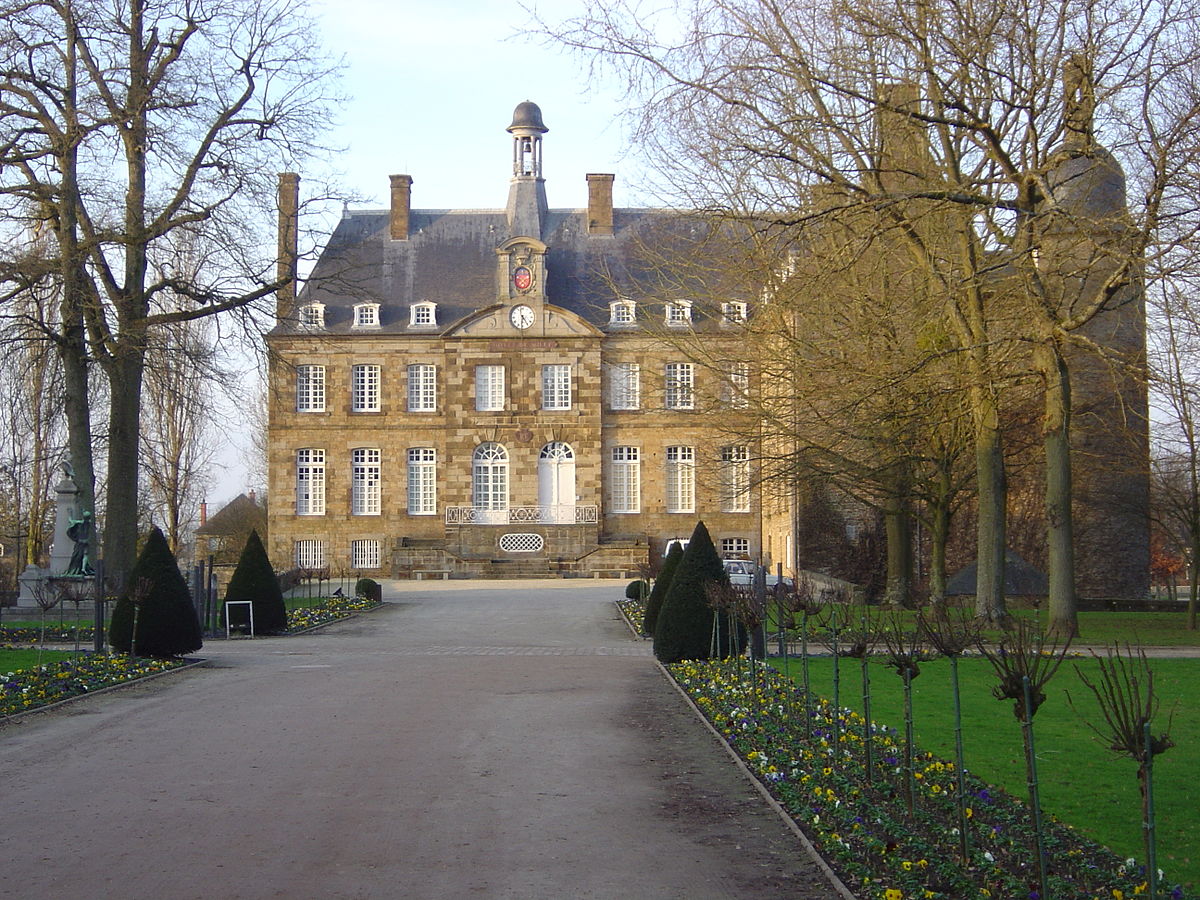


Château de Flers
Overview
The Château de Flers, a striking example of French medieval architecture, is situated in the town of Flers in Normandy. This castle, originally constructed as a fortified structure, showcases the strategic military design of its era. With its robust stone walls and commanding presence, the Château de Flers serves as a reminder of the region’s tumultuous past, where power struggles and territorial disputes shaped the landscape. Visitors to the château will find a site that not only offers a glimpse into the architectural prowess of the time but also provides insight into the historical context of France’s feudal age. The castle is a symbol of the area’s heritage, drawing history enthusiasts and curious travelers alike.
History and Significance
The history of the Château de Flers is intertwined with the broader narrative of Normandy and its historical significance within France. Though the exact dates of its construction remain unclear, the castle is recognized as a formidable fortification from the medieval period. Throughout its existence, the Château de Flers has played various roles, from a defensive stronghold to a residence for local nobility. The strategic importance of the castle is evident in its design, which reflects the military needs of the time, serving as a defense against invaders and rival factions.
Over the centuries, the château witnessed numerous conflicts and changes in ownership, each contributing to its storied past. The castle’s architecture and layout were influenced by the evolving needs of warfare and the socio-political landscape. Following the decline of feudalism, the château transitioned from a military bastion to a symbol of local heritage, ultimately becoming a site of interest for visitors seeking to learn about the region’s history.
The significance of Château de Flers extends beyond its walls; it stands as a testament to the resilience of the local community and the enduring legacy of Normandy’s historical landscape. In modern times, the château serves as a cultural landmark, inviting guests to explore its grounds and appreciate its historical importance.
Architecture and Features
The architecture of the Château de Flers is a remarkable representation of medieval fortification techniques. Constructed primarily of stone, the castle features thick walls and a strategically designed layout that emphasizes defense. Visitors will notice the impressive towers that punctuate the structure, providing vantage points for surveillance and protection.
One of the most notable features of the château is its fortified entrance, which exemplifies the military architecture of the time. The entrance is designed not only for security but also to convey the power and status of its occupants. Within the castle, the layout includes various chambers that were historically used for both living and administrative purposes, reflecting the dual role of the château as both a residence and a fortress.
The surrounding grounds of the Château de Flers also contribute to its charm, with landscaped areas that invite leisurely strolls. While the interior may not be extensively furnished, the raw beauty of the castle’s structure speaks volumes about its past and the era in which it was built.
Visiting Information
Visiting the Château de Flers offers a unique opportunity to engage with Normandy’s rich history. The castle is accessible to the public, providing an immersive experience that allows guests to explore its grounds and learn about its significance. To plan your visit, check the official website for current information on opening hours and ticket prices, as these can vary seasonally.
Upon arrival, visitors can expect a well-preserved site that offers a glimpse into medieval life. Guided tours may be available, providing insights into the castle’s history and architectural features. A typical visit to the Château de Flers may take around 1 to 2 hours, allowing ample time to wander through the castle and its surroundings.
The best times to visit are during the spring and early autumn months when the weather is mild, and the gardens are in bloom. Be sure to wear comfortable shoes, as exploring the castle grounds may involve uneven terrain.
Nearby Attractions
When visiting the Château de Flers, there are several nearby attractions worth exploring:
- Flers Park: A beautifully landscaped park located near the château, perfect for a leisurely stroll or a picnic.
- Museum of Flers: Offering insights into the local history and culture, this museum features various exhibits related to the region.
- Saint-Germain Church: A historic church in Flers that showcases remarkable architectural details and offers a glimpse into the town’s ecclesiastical heritage.
- Château de Balleroy: A short drive from Flers, this castle is known for its elegant gardens and historical significance.
- The Normandy Beaches: A bit further afield, but a must-visit for those interested in World War II history, these iconic beaches are a poignant reminder of the region’s past.
Insider Tips
To make the most of your visit to the Château de Flers, consider the following tips:
- Photography: The castle’s exterior presents numerous opportunities for stunning photographs. Early morning or late afternoon light can enhance your shots. Be sure to capture the details of the stonework and the surrounding landscape.
- Crowd Avoidance: To enjoy a more peaceful experience, try to visit on weekdays or during off-peak hours. This will allow for a more intimate exploration of the castle without the hustle and bustle of large crowds.
Practical Information
When planning your visit to the Château de Flers, consider the following:
- What to Bring: Comfortable walking shoes are recommended due to the uneven surfaces of the castle grounds. A water bottle and sunscreen are also advisable, especially during warmer months.
- Seasonal Considerations: The best times to visit are spring and early autumn when the weather is pleasant, and the gardens are vibrant. Winter visits may be less crowded but could involve colder temperatures.
Frequently Asked Questions
How long should I spend visiting?
A typical visit to Château de Flers will take about 1 to 2 hours, allowing time to explore the castle and its grounds.
Is photography allowed?
Yes, photography is generally permitted outside the castle. Be respectful of any signage regarding photography inside.
Are there guided tours?
Check the official website for availability of guided tours, as they can enhance your understanding of the castle’s history.
What’s the best time to visit?
The best times to visit are during the spring and early autumn for pleasant weather and to enjoy the gardens.
Is it wheelchair accessible?
Access may vary; check the official website for specific accessibility information regarding the castle and its grounds.
Can I buy tickets online?
For ticket purchasing options, visit the official website for the most current information.
Are there restrooms and cafes?
Check the official website for details on facilities available on-site, including restrooms and dining options.
What should I wear?
Dress comfortably and wear sturdy shoes suitable for walking, as the terrain can be uneven.
Photo Gallery
More in Normandy
Acheux-en-Vimeu Communal Cemetery
📍 Acheux-en-Vimeu, France
Acheux-en-Vimeu Communal Cemetery is located in the picturesque commune of Acheux-en-Vimeu within the Somme department of France. This cemetery serves …
Aumatre Communal Cemetery
📍 Aumâtre, France
The Aumatre Communal Cemetery is not just a resting place; it is a poignant reminder of the lives intertwined with the tumultuous history of the Somme …
Bibliothèque municipale de Chartres
📍 Chartres, France
The Bibliothèque municipale de Chartres serves as a vital cultural institution within the historic city of Chartres, France. Located in the Centre-Val …

Briga
📍 Eu, France
Briga is an intriguing archaeological site located in the charming town of Eu, in the Normandy region of France. This site is significant for its …
Buysscheure churchyard
📍 Buysscheure, France
The Buysscheure churchyard, situated in the tranquil village of Buysscheure in northern France, serves as a poignant reminder of the region’s rich …

Camp de Bierre
📍 Merri, France
The Camp de Bierre is an archaeological site that offers a glimpse into ancient human settlement in France. Located in the region of Merri, this site …

Château de l'Aval (Sours)
📍 Sours, France
The Château de l’Aval, located in the charming region of Sours, France, is a delightful fusion of historical architecture and landscaped gardens. This …
More Castles & Palaces
Château d'Artois
📍 La Châtelaine, France
Château d’Artois stands as a remarkable example of French castle architecture, nestled in the serene region of La Châtelaine. With its storied past …

Château de Langin
📍 Bons-en-Chablais, France
The Château de Langin, perched in the scenic region of Bons-en-Chablais, France, is a remarkable example of medieval architecture that attracts …

Château de Montaigu (Saône-et-Loire)
📍 Mercurey, France
The Château de Montaigu, situated in the picturesque region of Mercurey in Saône-et-Loire, France, offers visitors a glimpse into the architectural …
Château de Montfalcon
📍 La Biolle, France
Château de Montfalcon is an impressive castle that reflects the historical depth and architectural beauty of the region of La Biolle, France. Situated …

Château de Montrognon
📍 Ceyrat, France
The Château de Montrognon is a captivating castle that reflects the essence of French heritage and medieval architecture. Situated in the charming …

Château de Noyers-sur-Serein
📍 Noyers, France
The Château de Noyers-sur-Serein is an exquisite example of medieval architecture that captivates visitors with its historical significance and …
Château de Quirieu
📍 Bouvesse-Quirieu, France
The Château de Quirieu is a remarkable example of French castle architecture nestled in the charming region of Bouvesse-Quirieu. This castle, while …