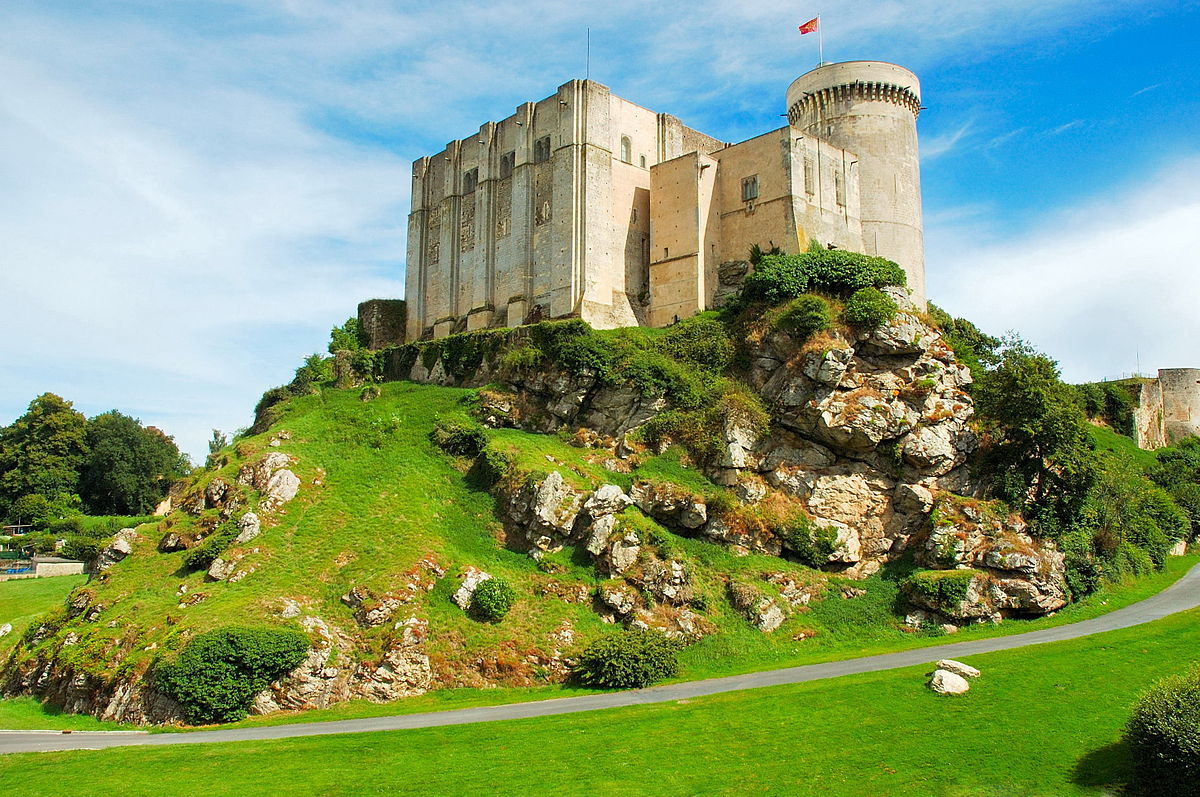


Château de Falaise
Overview
The Château de Falaise is an iconic medieval castle that sits proudly in the heart of Falaise, a town in the Normandy region of France. This formidable structure, often associated with the birth of William the Conqueror, offers a glimpse into the power struggles and architectural ingenuity of the Middle Ages. With its impressive ramparts and commanding presence, the castle not only serves as a reminder of France’s feudal past but also attracts visitors eager to explore its storied walls and historical significance.
Strategically positioned atop a rocky outcrop, the Château de Falaise commands panoramic views of the surrounding landscape, contributing to its historical role as a defensive fortification. The castle has witnessed centuries of history, from its construction to its pivotal role during various conflicts, including the Hundred Years’ War. Today, it stands as a symbol of Normandy’s rich heritage, drawing history enthusiasts, architecture lovers, and casual visitors alike.
A visit to the Château de Falaise promises a fascinating exploration of medieval life, showcasing not only the castle’s architectural features but also the broader historical context of the region. The combination of its storied past, unique structure, and cultural significance makes it a must-see destination for anyone traveling through Normandy.
History and Significance
The history of the Château de Falaise is deeply intertwined with the life of William the Conqueror, who was born here in 1028. The castle’s origins trace back to the 10th century, when it was established as a strategic stronghold to protect the region from invasions. Its position on a hill allowed for excellent visibility of approaching threats, making it an essential military site during its early years.
Over the centuries, the castle underwent numerous renovations and expansions, reflecting the evolution of military architecture and the changing needs of its inhabitants. By the 12th century, it had become a significant residence for the Dukes of Normandy, further solidifying its importance in the region. The castle was not only a military fortress but also a symbol of power and authority, playing a crucial role in the local feudal system.
Throughout its history, the Château de Falaise has withstood various sieges and attacks, particularly during the Hundred Years’ War when it was contested between the French and the English. The castle’s resilient structure and strategic location allowed it to serve as a stronghold during this tumultuous period. In the 15th century, it was improved and modernized to adapt to the changing nature of warfare.
In the contemporary era, the castle is recognized not only for its historical significance but also as a cultural heritage site. Restoration efforts have aimed to preserve its architectural features and promote its historical narrative. Today, the Château de Falaise stands as a testament to medieval engineering and serves as a valuable educational resource for visitors seeking to understand the complexities of France’s past.
Architecture and Features
The architectural style of Château de Falaise reflects the medieval period’s military and residential requirements. The castle features robust stone walls, imposing towers, and a series of defensive structures that highlight its role as a fortress. The design incorporates elements typical of Norman architecture, characterized by heavy stone construction and narrow windows that provided both light and protection.
One of the notable features of the château is its large keep, which served as the primary living quarters and was essential for defense. The keep is surrounded by a series of formidable walls and a deep moat, enhancing its defensive capabilities. Visitors can explore the various rooms within the keep, which have been restored to showcase how the castle’s inhabitants might have lived during the medieval era.
Another highlight is the castle’s impressive ramparts, which offer fantastic views of the surrounding countryside. Walking along these ramparts provides insight into the strategic planning behind the castle’s design. The layout of the castle also includes numerous towers and bastions, each serving specific military functions and contributing to the overall strength of the structure.
Inside, the château houses exhibitions that detail its history and the life of its inhabitants, allowing visitors to engage with the past in a meaningful way. The blend of historical architecture and informative displays creates a comprehensive experience that captivates those interested in history and architecture alike.
Visiting Information
Visiting the Château de Falaise is a rewarding experience for those interested in history, architecture, and medieval culture. The castle is accessible by various means of transportation, with options for both local and regional visitors. Parking facilities are available nearby, and public transport services can also connect you to Falaise.
Check the official website for current information regarding hours of operation and ticket prices, as these may vary seasonally or due to special events. A typical visit can take around two to three hours, allowing ample time to explore the castle grounds, walk the ramparts, and engage with the exhibits presented within the keep.
The best times to visit are during the spring and early fall when the weather is generally mild, and the crowds are less overwhelming. Summer may attract larger numbers of tourists, but the vibrant atmosphere can also enhance the experience.
Visitors should be prepared for a mix of indoor and outdoor exploration, so comfortable walking shoes are advisable. The castle is situated on elevated terrain, which may require some uphill walking to reach the entrance.
Nearby Attractions
Falaise is home to several attractions that complement a visit to the Château de Falaise:
- Ducal Castle of Falaise: Another significant historical site, this castle provides insight into the region’s feudal history and architecture.
- Church of Saint-Gervais: A beautiful example of Norman Gothic architecture, this church is worth a visit for its stunning stained glass and serene atmosphere.
- Musee des Beaux-Arts de Falaise: This fine arts museum showcases a diverse collection of artworks, providing a cultural counterpoint to the historical focus of the castle.
- The Battle of Falaise Memorial: A site dedicated to the memory of those who fought in World War II, offering a somber but important reflection on the town’s broader historical context.
- La Maison de la Pomme: A local attraction focusing on the apple, this venue offers tastings and insight into the region’s agricultural heritage.
Insider Tips
To make the most of your visit to the Château de Falaise, consider the following tips:
- Photography: The castle offers numerous opportunities for stunning photography, especially from the ramparts. Early morning or late afternoon light can enhance your shots, so plan accordingly.
- Crowd Avoidance: To avoid the busiest times, aim for a midweek visit or arrive early in the day. This will allow you to enjoy the castle’s features with fewer visitors around, enhancing your experience.
- Local Cuisine: After your visit, explore local dining options to experience the flavors of Normandy, particularly dishes featuring apples and cream, which are regional specialties.
Practical Information
When visiting the Château de Falaise, it’s advisable to bring along a few essentials. Water and snacks can enhance your experience, especially if you plan to spend a considerable amount of time exploring the grounds.
Seasonal considerations are also important; dress in layers during cooler months, as the castle can be chilly, especially in the stone interiors. Conversely, during warmer months, sunscreen and hats are recommended, as outdoor areas can expose you to direct sunlight.
Comfortable walking shoes are a must, as the terrain can be uneven, and exploring the castle may involve navigating stairs and ramps.
Frequently Asked Questions
How long should I spend visiting?
A typical visit to the Château de Falaise can take around two to three hours, depending on your interest in exploring the exhibits and grounds.
Is photography allowed?
Yes, photography is generally allowed in the castle, but be mindful of any specific restrictions that may be posted in certain areas.
Are there guided tours?
Check the official website for information about guided tours, as these can enhance your understanding of the castle’s history and architecture.
What’s the best time to visit?
The best times to visit are during the spring and early fall when the weather is pleasant, and crowds are typically smaller.
Is it wheelchair accessible?
Accessibility information may vary, so it’s best to check the official website for details regarding wheelchair access and facilities.
Can I buy tickets online?
Check the official website for current information on ticket purchasing options, including whether online sales are available.
Are there restrooms and cafes?
Facilities such as restrooms may be available on site, but check the official website for specifics regarding food options and café availability.
What should I wear?
Dress comfortably and consider the weather; layers are recommended for cooler months, while lighter clothing may be suitable for summer visits.
A visit to the Château de Falaise not only immerses you in the medieval past of Normandy but also offers a unique educational experience that enriches your understanding of the region’s history.
Photo Gallery
Visit Information
Quick Facts
- Heritage Type
- Castle
- Region
- Falaise
- Wikidata ID
- Q1011692
More in Pays de la Loire
aqueduc de Barberèche
📍 Vitry-en-Charollais, France
The aqueduc de Barberèche is an intriguing piece of engineering located in the tranquil region of Vitry-en-Charollais in Saône-et-Loire, France. This …
aqueduc de l'Étang Brûlé
📍 Blanzy, France
The aqueduc de l’Étang Brûlé, situated in Blanzy within the Saône-et-Loire department of France, is an architectural marvel that reflects the …
aqueduc de la Roche
📍 Blanzy, France
The aqueduc de la Roche stands as a remarkable example of 19th-century engineering, situated in Blanzy, Saône-et-Loire. This aqueduct not only served …
aqueduc de la Tourbière
📍 La Truchère, France
The aqueduc de la Tourbière is an impressive example of early engineering ingenuity located in the tranquil region of La Truchère, Saône-et-Loire, …
aqueduc des Miraux
📍 Blanzy, France
The aqueduc des Miraux is a remarkable piece of engineering situated in Blanzy, a town in the Saône-et-Loire department of France. This aqueduct …
Bellancourt Communal Cemetery
📍 Bellancourt, France
The Bellancourt Communal Cemetery, located in the picturesque region of Somme in northern France, serves as a poignant reminder of the past, …
bibliothèque Paul Éluard
📍 Nantes, France
The bibliothèque Paul Éluard serves as a pivotal cultural resource within Nantes, a vibrant city located in the west of France. This modern library …
More Castles & Palaces
Château d'Artois
📍 La Châtelaine, France
Château d’Artois stands as a remarkable example of French castle architecture, nestled in the serene region of La Châtelaine. With its storied past …

Château de Langin
📍 Bons-en-Chablais, France
The Château de Langin, perched in the scenic region of Bons-en-Chablais, France, is a remarkable example of medieval architecture that attracts …

Château de Montaigu (Saône-et-Loire)
📍 Mercurey, France
The Château de Montaigu, situated in the picturesque region of Mercurey in Saône-et-Loire, France, offers visitors a glimpse into the architectural …
Château de Montfalcon
📍 La Biolle, France
Château de Montfalcon is an impressive castle that reflects the historical depth and architectural beauty of the region of La Biolle, France. Situated …

Château de Montrognon
📍 Ceyrat, France
The Château de Montrognon is a captivating castle that reflects the essence of French heritage and medieval architecture. Situated in the charming …

Château de Noyers-sur-Serein
📍 Noyers, France
The Château de Noyers-sur-Serein is an exquisite example of medieval architecture that captivates visitors with its historical significance and …
Château de Quirieu
📍 Bouvesse-Quirieu, France
The Château de Quirieu is a remarkable example of French castle architecture nestled in the charming region of Bouvesse-Quirieu. This castle, while …