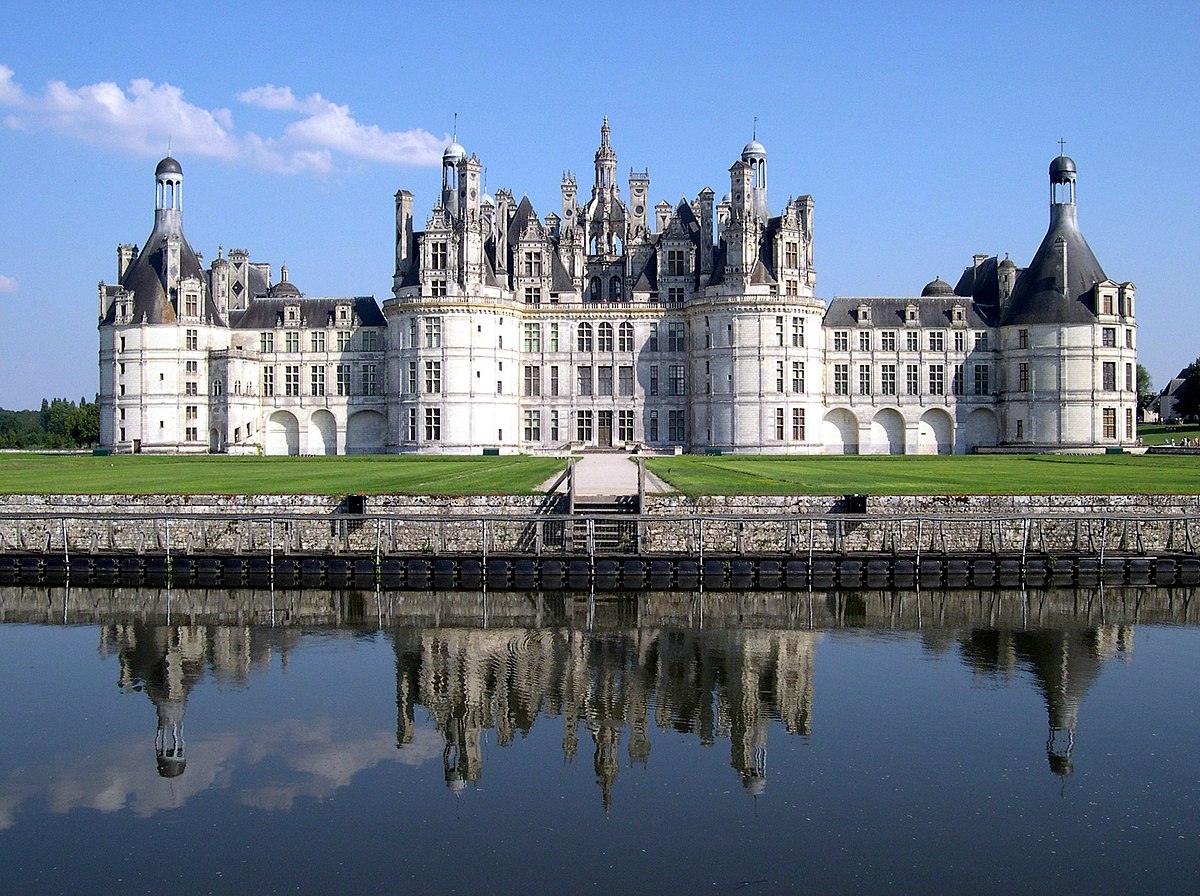


Château de Chambord
Overview
Château de Chambord is one of the most recognizable châteaux in the Loire Valley, an area celebrated for its stunning architectural heritage. Constructed during the early 16th century, this castle is a symbol of the French Renaissance and reflects the ambitions of King Francis I. Its unique design, characterized by a mix of medieval and classical styles, showcases intricate details and innovative features that were ahead of its time.
Surrounded by a vast forest and sprawling parkland, Château de Chambord serves not only as a remarkable architectural feat but also as a vital piece of history, reflecting the grandeur of the French monarchy. Visitors are drawn to its striking silhouette, complete with a dramatic roofline adorned with numerous chimneys and towers. The château’s expansive grounds offer a chance to explore the natural beauty of the region, making it an ideal destination for those interested in both culture and nature.
As you wander the halls and rooms of this UNESCO World Heritage site, you’ll uncover the stories and secrets of its past, providing a deeper understanding of its significance in French history.
History and Significance
Château de Chambord was commissioned by King Francis I, who sought to create a retreat that combined both pleasure and power. The construction began in 1519 and continued for several decades, with various architects contributing to its design. The château is often hailed as a masterpiece of the French Renaissance, reflecting the king’s desire to showcase his wealth and influence.
The architectural style of Chambord is particularly noteworthy due to its harmonious blend of medieval fortifications and Renaissance elegance. The design is attributed to Domenico da Cortona, though it is believed that Leonardo da Vinci also influenced its construction, particularly with the famous double helix staircase that serves as a centerpiece of the château. This staircase allows two people to ascend and descend without ever meeting, a marvel of engineering for its time.
Beyond its architectural significance, Château de Chambord holds a prominent place in French history. It was a favorite retreat for French kings, and during the reign of Louis XIV, it served as a hunting lodge. The surrounding forest, one of the largest enclosed parks in Europe, was stocked with game, emphasizing the château’s role in royal leisure and hunting traditions.
Today, Château de Chambord is a UNESCO World Heritage site, recognized for its cultural and historical importance. It attracts millions of visitors each year, eager to experience its grandeur and learn about the legacy of the French monarchy.
Architecture and Features
Château de Chambord is an architectural marvel characterized by its distinctive silhouette and a blend of Gothic and Renaissance styles. The structure features over 440 rooms, 280 fireplaces, and a series of elaborate staircases, with the most famous being the double helix staircase. This feature is not only functional but also serves as a stunning focal point, allowing visitors to appreciate the intricate design while ascending through the castle.
The exterior of the château is adorned with numerous turrets, spires, and a vast array of decorative elements, including sculptures and reliefs that depict various allegorical figures. The roofline is particularly striking, with its complex arrangement of chimneys and towers that create an elaborate skyline. The use of local limestone gives the château a warm, inviting appearance, particularly when illuminated by sunlight.
The interior of the château is equally impressive, showcasing opulent furnishings and art that reflect the tastes of the French nobility. Visitors can explore the grand halls, including the King’s apartment and the chapel, which are rich in history and artistic detail. The expansive grounds surrounding the château also feature beautiful gardens, reflecting the Renaissance ideals of symmetry and harmony with nature.
Château de Chambord’s design was revolutionary for its time, influencing numerous other structures across France and Europe. Its unique blend of functionality and artistry continues to captivate architects, historians, and visitors alike.
Visiting Information
Château de Chambord is accessible to visitors year-round, though hours and pricing may vary by season. To fully appreciate the château and its expansive grounds, it is advisable to allocate at least half a day for your visit. The château is located approximately 160 kilometers (about 100 miles) from Paris, making it a popular day trip destination for travelers exploring the Loire Valley.
Transport options to Château de Chambord include driving, with ample parking available on-site, or using public transport. The nearest major city is Blois, from where visitors can take a bus or taxi to reach the château.
Upon arrival, guests will find a range of amenities, including shops, cafes, and rest areas. The château often hosts guided tours, which can enrich the experience by providing insights into its history and architecture. To avoid crowds, consider visiting during weekdays or during the shoulder seasons of spring and fall, when the weather is pleasant, and the number of visitors is typically lower.
Check the official website for current information on opening hours and ticket prices, as they may change throughout the year.
Nearby Attractions
Visitors to Château de Chambord can explore several nearby attractions that enhance the cultural experience of the Loire Valley:
Château de Cheverny: Known for its classic architecture and beautiful gardens, this château is just a short drive from Chambord and offers insight into the life of the French aristocracy.
Château de Blois: Located in the town of Blois, this château features a fascinating blend of architectural styles and rich history, including ties to several French kings.
Château de Chenonceau: Often referred to as the “Ladies’ Château,” this stunning castle spans the River Cher and is known for its beautiful gardens and remarkable history involving several influential women.
Beauregard Castle: A lesser-known but charming château, Beauregard is famous for its extensive collection of portraits and beautiful grounds.
Sully-sur-Loire: This medieval town features a fortress and picturesque streets, offering a glimpse into the region’s history.
Insider Tips
When visiting Château de Chambord, consider bringing a camera to capture the stunning architecture and picturesque gardens. Early morning or late afternoon are ideal times for photography, as the lighting enhances the château’s features.
To avoid large crowds, it’s best to visit during weekdays or outside of peak tourist season. Exploring the grounds is just as rewarding as touring the interior, so allow time to stroll through the gardens and enjoy the natural beauty surrounding the château.
Practical Information
When planning your visit to Château de Chambord, be sure to dress comfortably, as you will likely be walking both inside the château and throughout the expansive grounds. Comfortable shoes are recommended, especially if you plan to explore the gardens.
Seasonal considerations are important; the spring and fall months often offer mild weather, making them ideal for outdoor exploration. However, the summer months can be quite busy with tourists.
Pack essentials such as water, sunscreen, and a light jacket, as temperatures can vary throughout the day. If you plan to dine on-site, consider checking the availability of cafes or restaurants, as offerings may change seasonally.
Frequently Asked Questions
How long should I spend visiting?
Most visitors find that spending about half a day allows ample time to explore the château and its grounds.
Is photography allowed?
Yes, photography is permitted in most areas, but be respectful of art and exhibits.
Are there guided tours?
Guided tours are available and can provide deeper insights into the château’s history and architecture.
What’s the best time to visit?
Weekdays and the shoulder seasons of spring and fall are ideal for avoiding crowds.
Is it wheelchair accessible?
The château is generally accessible, but some areas may have limitations. Check the official website for details.
Can I buy tickets online?
Yes, tickets can typically be purchased online, which may expedite your entry.
Are there restrooms and cafes?
Yes, there are restrooms and cafes available on-site for visitor convenience.
What should I wear?
Comfortable clothing and shoes are recommended, especially for exploring the grounds.
Photo Gallery
Visit Information
Quick Facts
- Heritage Type
- Château
- UNESCO Status
- World Heritage Site
- Region
- Muides-sur-Loire
- Wikidata ID
- Q205367
More in Auvergne-Rhône-Alpes
Abbé Jules Collin
📍 Saint-Brieuc, France
Abbé Jules Collin’s tomb is an important cultural landmark situated in the city of Saint-Brieuc, located in the Brittany region of France. The site …

abri Gay
📍 Poncin, France
The abri Gay is an archaeological site situated in the picturesque region of Poncin, France. Renowned for its extensive prehistoric artifacts, this …
Airaines Communal Cemetery
📍 Airaines, France
The Airaines Communal Cemetery, situated in the picturesque region of Somme, France, serves as a serene resting place that reflects the local history …

Alesia
📍 Alise-Sainte-Reine, France
Alesia is an archaeological site that holds immense historical significance, particularly for its role in the ancient Gallo-Roman period. Situated in …

alignements de Kerbourgnec
📍 Saint-Pierre-Quiberon, France
The alignements de Kerbourgnec is a fascinating archaeological site situated on the picturesque Quiberon Peninsula in Brittany, France. This site is …

amphitheater of Lyon
📍 1st arrondissement of Lyon, France
The amphitheater of Lyon is a striking remnant of the Roman Empire, offering a captivating glimpse into the grandeur of ancient entertainment venues. …
ancien cimetière de Basse Vallée
📍 Saint-Philippe, France
The ancien cimetière de Basse Vallée, situated in Saint-Philippe on the picturesque island of La Réunion, serves as both a final resting place and a …
More UNESCO World Heritage

29th Division Memorial
📍 Beaumont-Hamel, France
The 29th Division Memorial serves as a solemn remembrance of the bravery and sacrifice of the soldiers from the 29th Division, who fought valiantly …

Beaumont-Hamel Newfoundland Memorial Park
📍 Auchonvillers, France
The Beaumont-Hamel Newfoundland Memorial Park stands as a significant tribute to the Newfoundland Regiment, which bravely fought during the Battle of …

Cathedral of Notre-Dame, Former Abbey of Saint-Rémi and Palace of Tau, Reims
📍 Reims, France
Reims, the capital of the Champagne region in northeastern France, is an important city steeped in history and culture. Among its most significant …

Memorial stones and tombs of Petit Donon
📍 Grandfontaine, France
Located in the picturesque region of Grandfontaine, the Memorial Stones and Tombs of Petit Donon are dedicated to the memory of soldiers who perished …
Monument of the Executed at Fleury-devant-Douaumont
📍 Fleury-devant-Douaumont, France
Situated in the heart of the Meuse department, the Monument of the Executed at Fleury-devant-Douaumont stands as a solemn reminder of the sacrifices …

Muslim Monument of Douaumont
📍 Fleury-devant-Douaumont, France
The Muslim Monument of Douaumont is a significant war memorial situated in the serene landscape of Fleury-devant-Douaumont, a town steeped in the …

Neuville-Saint-Vaast Czechoslovakian Cemetery
📍 Neuville-Saint-Vaast, France
The Neuville-Saint-Vaast Czechoslovakian Cemetery serves as a poignant reminder of the sacrifices made by Czechoslovak soldiers during World War I. …