


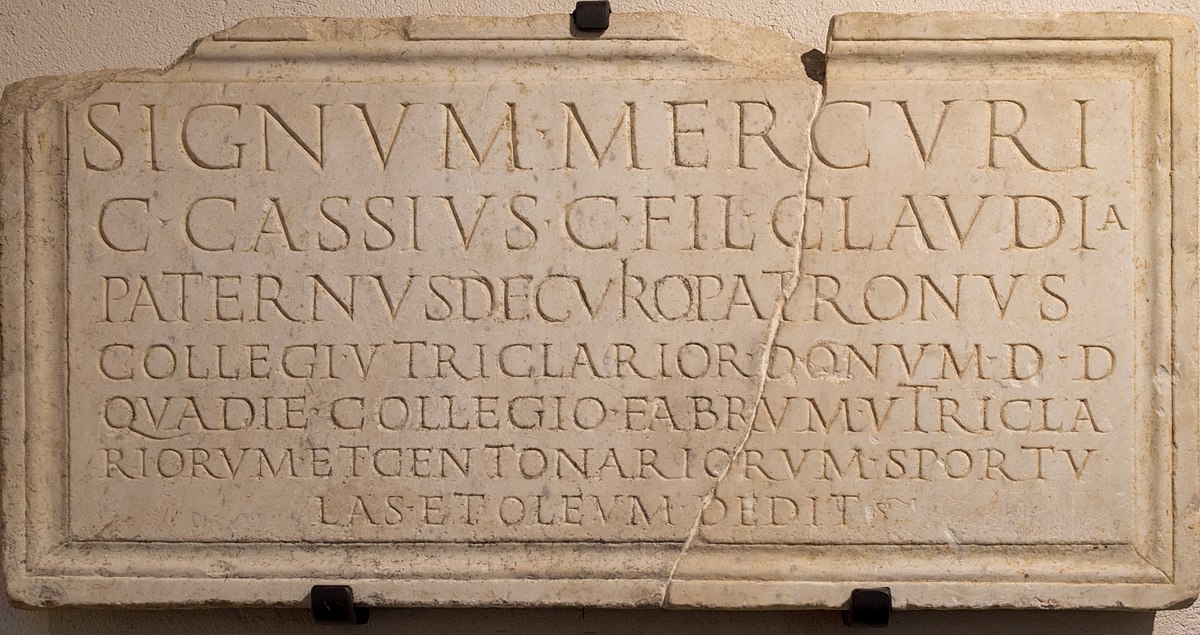


Cemenelum
Overview
Cemenelum, located in the picturesque region of Alpes Maritimae in France, offers a glimpse into ancient Roman civilization through its extensive archaeological remains. Once a vibrant settlement, this site provides valuable insights into the life, culture, and architecture of the Roman Empire during its expansion. Archaeologists and history enthusiasts alike flock to Cemenelum to explore its remnants, which reveal the complexity of urban planning and social organization in antiquity.
The site is situated near the modern town of Cimiez, which itself is rich in history and provides a stunning backdrop of the surrounding landscape. As visitors walk through the ruins, they can almost picture the bustling streets filled with traders, residents, and visitors in centuries past. Cemenelum serves not only as a historical site but also as a testament to the enduring legacy of Roman engineering and urban design, making it a significant destination for those interested in heritage tourism.
History and Significance
The history of Cemenelum dates back to Roman times when it functioned as a significant outpost in the region. Although specific dates are scarce, it is believed that the settlement thrived as part of the Roman Empire’s efforts to establish control over the Mediterranean territories. Cemenelum was strategically located, which allowed it to serve as a crucial administrative and trade hub.
The site showcases the architectural prowess of the Romans, with structures designed for public and private use. Among its notable features are remnants of baths, temples, and residential quarters, which provide insight into daily life during this era. The archaeological significance of Cemenelum lies not only in its structures but also in the artifacts uncovered during excavations, which include pottery, coins, and tools, shedding light on the region’s trade networks and cultural exchanges.
Cemenelum’s historical importance extends beyond its physical remnants; it represents a period of transition and cultural blending as the Roman Empire expanded its frontiers. The site is vital for understanding the dynamics of Roman provincial life and the interactions between Roman settlers and indigenous populations. As such, Cemenelum stands as a critical piece of the puzzle for historians and archaeologists seeking to reconstruct the ancient past.
Architecture and Features
Cemenelum is characterized by its well-preserved ruins, which reflect the architectural style and urban planning of the Roman Empire. The layout of the site suggests a carefully planned city, with various buildings arranged around a central forum. This forum likely served as a public space for gatherings and civic activities, a common feature in Roman cities.
One of the most prominent structures at Cemenelum is the bath complex, a hallmark of Roman urban life. These baths were not only places for hygiene but also social hubs where individuals gathered to relax and discuss daily affairs. The remains of the hypocaust system, which provided underfloor heating, can still be seen, demonstrating the advanced engineering techniques employed by the Romans.
In addition to the baths, Cemenelum features remnants of temples dedicated to various deities, highlighting the religious practices of the time. The architecture of these temples reflects the classical style, with columns and intricate designs that would have adorned the structures. Visitors can also see remnants of residential buildings, which give insight into the living conditions of the inhabitants.
Overall, the architectural features of Cemenelum serve as a compelling representation of Roman life in a provincial setting, showcasing the blend of functionality, aesthetics, and community that defined urban centers during this period.
Visiting Information
Visiting Cemenelum offers a unique opportunity to explore a significant archaeological site, and planning your trip can enhance the experience. The site is accessible via public transportation and is located within a short distance from the town of Cimiez. Visitors can reach the site by local bus services that connect to nearby cities and towns.
Check the official website for current information regarding hours and prices, as these can vary by season. It is advisable to allocate approximately 1-2 hours for exploration, allowing enough time to appreciate the ruins and take photographs. The site is relatively compact, making it easy to navigate.
The best times to visit Cemenelum are during the spring and fall months when the weather is mild, and the crowds are smaller. Summer can be busy, especially with tourists, so visiting in the early morning or late afternoon can help avoid peak times.
Facilities at the site are limited, so visitors should prepare accordingly. Bringing water, snacks, and a camera is recommended, as well as comfortable walking shoes for exploring the uneven terrain of the archaeological site.
Nearby Attractions
Cemenelum is ideally situated near several other attractions that enhance the cultural experience of the region.
Cimiez Monastery: Located nearby, this historic monastery offers tranquil gardens and stunning views. Visitors can explore the church and museum, which displays artifacts related to the site’s history.
Matisse Museum: Situated in Cimiez, this museum showcases the works of Henri Matisse, a prominent figure in modern art. The museum is housed in a beautiful villa and offers insight into Matisse’s artistic journey.
Roman Ruins of Nice: A short distance from Cemenelum, the Roman ruins in the city of Nice provide further exploration opportunities of ancient structures, including an amphitheater and thermal baths.
Promenade des Anglais: A famous beachfront promenade, where visitors can enjoy a leisurely stroll along the Mediterranean coast while soaking in the vibrant atmosphere of Nice.
Château de Nice: For those interested in history and architecture, this castle offers panoramic views of the city and the sea, along with remnants of its former glory.
Insider Tips
To make the most of your visit to Cemenelum, consider the following insider tips:
Photography: Early morning or late afternoon light can enhance your photographs, providing a beautiful backdrop against the ancient stones. Be mindful of other visitors and try to capture the site without crowds in your shots.
Crowd Avoidance: As Cemenelum is a popular site, visiting during weekdays or outside of peak tourist season can provide a more serene experience.
Guided Tours: If you’re keen on learning more about the history and significance of the site, consider joining a guided tour. Knowledgeable guides can provide context and answer questions that enhance your understanding of the ruins.
Practical Information
Before heading to Cemenelum, it’s essential to be prepared for your visit:
What to Bring: Pack water, snacks, sunscreen, and a hat for protection against the sun. Comfortable footwear is crucial, as the terrain can be uneven.
Seasonal Considerations: Spring and fall are ideal for visiting due to mild weather. Summers can be hot, and the site may be busier with tourists, while winters can be chilly and less inviting.
Accessibility: The site may present challenges for individuals with mobility impairments due to uneven surfaces and limited pathways. It’s best to check specific accessibility options if required.
Frequently Asked Questions
How long should I spend visiting?
Plan for 1-2 hours to fully explore Cemenelum and appreciate its archaeological features.
Is photography allowed?
Yes, photography is generally permitted, but be respectful of other visitors and the site.
Are there guided tours?
Guided tours may be available; check the official website for details and booking options.
What’s the best time to visit?
Spring and fall are ideal due to pleasant weather and fewer crowds.
Is it wheelchair accessible?
The site may pose challenges for wheelchair users due to uneven terrain; check for specific accessibility options.
Can I buy tickets online?
Check the official website for current ticketing information and purchasing options.
Are there restrooms and cafes?
Facilities may be limited, so it’s advisable to plan accordingly and bring refreshments.
What should I wear?
Wear comfortable clothing and sturdy shoes suitable for walking on uneven surfaces. Bring layers for changing temperatures.
Visiting Cemenelum provides a unique opportunity to engage with history and appreciate the remnants of a once-thriving Roman settlement, making it a must-see for anyone exploring the rich heritage of France.
Photo Gallery
More in Auvergne-Rhône-Alpes
Abbé Jules Collin
📍 Saint-Brieuc, France
Abbé Jules Collin’s tomb is an important cultural landmark situated in the city of Saint-Brieuc, located in the Brittany region of France. The site …

abri Gay
📍 Poncin, France
The abri Gay is an archaeological site situated in the picturesque region of Poncin, France. Renowned for its extensive prehistoric artifacts, this …
Airaines Communal Cemetery
📍 Airaines, France
The Airaines Communal Cemetery, situated in the picturesque region of Somme, France, serves as a serene resting place that reflects the local history …

Alesia
📍 Alise-Sainte-Reine, France
Alesia is an archaeological site that holds immense historical significance, particularly for its role in the ancient Gallo-Roman period. Situated in …

alignements de Kerbourgnec
📍 Saint-Pierre-Quiberon, France
The alignements de Kerbourgnec is a fascinating archaeological site situated on the picturesque Quiberon Peninsula in Brittany, France. This site is …

amphitheater of Lyon
📍 1st arrondissement of Lyon, France
The amphitheater of Lyon is a striking remnant of the Roman Empire, offering a captivating glimpse into the grandeur of ancient entertainment venues. …
ancien cimetière de Basse Vallée
📍 Saint-Philippe, France
The ancien cimetière de Basse Vallée, situated in Saint-Philippe on the picturesque island of La Réunion, serves as both a final resting place and a …
More Archaeological Sites
A Figa
📍 France
A Figa presents a fascinating glimpse into the ancient past of Corsica, an island steeped in historical significance and natural beauty. Situated in …
Abattis Evrard
📍 Remire-Montjoly, France
Abattis Evrard is a notable archaeological site situated in Remire-Montjoly, a region of French Guiana. This site is essential for understanding the …
abri Audi
📍 Les Eyzies-de-Tayac-Sireuil, France
The abri Audi, situated in the picturesque region of Les Eyzies-de-Tayac-Sireuil in France, is a remarkable archaeological site that offers a glimpse …

Abri de Villepin
📍 France
The Abri de Villepin, located in the picturesque region of France, is an archaeological site that holds significant importance for understanding early …

Abri des pêcheurs
📍 Berrias-et-Casteljau, France
The Abri des pêcheurs, located in the picturesque region of Berrias-et-Casteljau, France, is a remarkable archaeological site that provides a window …
abri Gay
📍 Poncin, France
The abri Gay is an archaeological site situated in the picturesque region of Poncin, France. Renowned for its extensive prehistoric artifacts, this …

Adsilanum
📍 France
Adsilanum is an archaeological site located in the picturesque region of France. This site holds significant archaeological value, offering a glimpse …