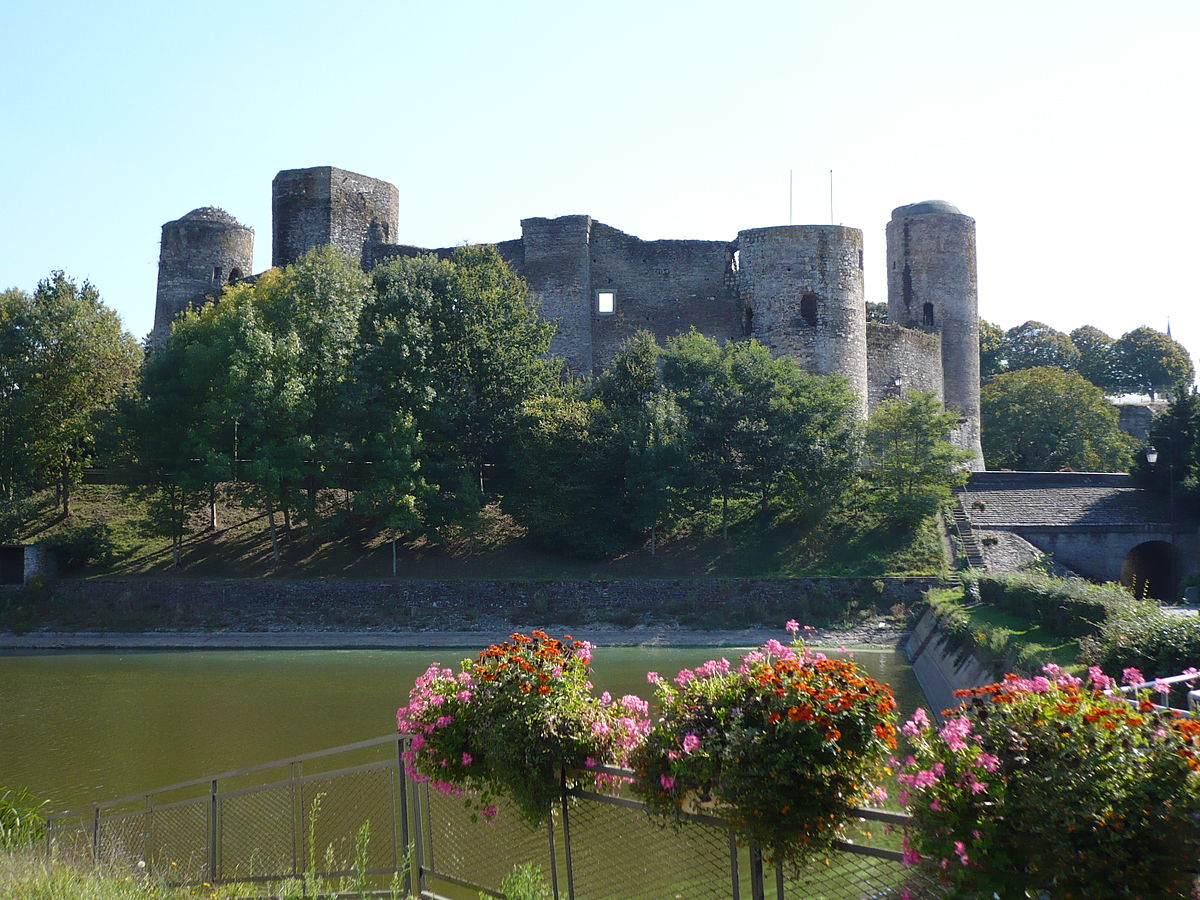


Castle of Pouancé
Overview
The Castle of Pouancé, located in the picturesque region of Pouancé, France, stands as a remarkable example of medieval fortification. Positioned strategically in the northwest of the country, this castle offers visitors a glimpse into the architectural and historical narratives of the era. Although its exact founding date remains elusive, the castle’s significance is undeniable, serving as a crucial stronghold during various conflicts throughout its history.
The site is not only an architectural marvel but also an important cultural artifact that draws history enthusiasts and casual travelers alike. With its towering stone walls and commanding presence, the Castle of Pouancé invites exploration and discovery, making it a compelling stop for those traveling through the beautiful French countryside. Visitors can expect to immerse themselves in the rich heritage that this castle represents while enjoying the serene surroundings that contribute to its unique charm.
History and Significance
The Castle of Pouancé has a storied past that reflects the broader historical currents of France. Originally constructed during the medieval period, it served as a fortified stronghold designed to protect the region from invasions and conflicts that were prevalent at the time. Its strategic location was essential in controlling the surrounding areas, making it a key player in local power struggles.
As France transitioned through various phases of conflict, including the Hundred Years’ War and later regional disputes, the castle remained a significant military asset. Its walls have withstood siege and its halls have echoed with the footsteps of nobles and soldiers alike. Over the centuries, the castle has undergone numerous renovations and restorations, ensuring its preservation as a monument to the medieval era.
The cultural importance of the Castle of Pouancé extends beyond its military history. It has served as a site for various local events and gatherings, reinforcing its role in the community. Today, it stands not only as a historical site but also as a symbol of the region’s heritage, attracting visitors who seek to understand the complexities of medieval life in France.
Architecture and Features
The architectural design of the Castle of Pouancé is a testament to medieval engineering and aesthetic principles. The castle features robust stone walls that have been meticulously preserved, showcasing the defensive strategies employed by its builders. The imposing towers and battlements provide a clear view of the surrounding landscape, reinforcing its purpose as a lookout point during times of conflict.
Inside the castle, visitors can explore various chambers that reflect the life of its former inhabitants. While specific details about the interior layout may be limited, remnants of medieval architecture are evident throughout, including vaulted ceilings and narrow corridors that hint at the castle’s storied past. The overall design emphasizes both functionality and strength, characteristic of many castles from this period.
Notable features of the castle include its impressive gatehouse, which serves as the main entrance and exemplifies the fortifications that were necessary for protection against invaders. The castle grounds, with their rugged terrain and natural beauty, enhance the experience, offering a glimpse into the strategic considerations that influenced its construction.
Visiting Information
Visiting the Castle of Pouancé is an opportunity to engage with history in a tangible way. The castle is accessible by various modes of transport, making it an easy addition to any travel itinerary in the region. Visitors should check the official website for current information on opening hours and ticket prices, ensuring a smooth visit.
Upon arrival, guests can expect to spend a few hours exploring the castle’s grounds and interior. The experience is enriched by knowledgeable staff who may provide insights into the castle’s history and architecture. While the castle can be visited year-round, the best times to explore are typically during the spring and early fall when the weather is mild, and the surrounding landscape is at its most vibrant.
For those planning a visit, it is advisable to wear comfortable shoes, as the castle’s rugged terrain may require some walking. Additionally, bringing a camera is encouraged, as the castle’s architecture and scenic views provide ample opportunities for photography.
Nearby Attractions
While the Castle of Pouancé is a highlight in itself, several nearby attractions enhance the cultural experience of the region:
Château de Laval: Located approximately 30 kilometers away, this historical castle offers guided tours and beautiful gardens, providing a contrast to the medieval style of Pouancé.
Abbaye de Saint-Florent-le-Viel: A short drive from Pouancé, this abbey is an excellent example of ecclesiastical architecture and history, inviting visitors to reflect on monastic life.
Les Jardins de la France: These gardens celebrate the rich horticultural heritage of the region and are perfect for a leisurely stroll after visiting the castle.
Vallée de la Loire: A bit further afield, this UNESCO World Heritage Site offers stunning landscapes and numerous vineyards, ideal for wine lovers and nature enthusiasts.
Château de Chemillé: This nearby castle provides additional insights into the medieval period and is often less crowded, allowing for a more intimate exploration.
Insider Tips
To make the most of your visit to the Castle of Pouancé, consider the following insider tips:
Photography Tips: The castle’s architecture and scenic backdrop provide excellent opportunities for photography. Early morning or late afternoon light can enhance your shots, offering softer shadows and a warmer atmosphere.
Crowd Avoidance: To enjoy a more peaceful experience, consider visiting on weekdays or during off-peak seasons. Early arrivals can also help you avoid larger tour groups.
Practical Information
When planning your visit to the Castle of Pouancé, keep these practical considerations in mind:
What to Bring: Comfortable walking shoes are essential due to the castle’s uneven terrain. A water bottle and sunscreen are also advisable, especially during warmer months.
Seasonal Considerations: While the castle is open year-round, weather conditions can affect your experience. Spring and autumn typically offer the best weather for exploration.
Frequently Asked Questions
How long should I spend visiting?
Visitors typically spend around 2-3 hours exploring the castle and its grounds, allowing time for photography and reflection.
Is photography allowed?
Yes, photography is generally permitted throughout the castle grounds, but ensure to respect any specific guidelines provided during your visit.
Are there guided tours?
Check the official website for information regarding guided tours, which may be available during certain times of the year.
What’s the best time to visit?
The best times to visit are during the spring and early fall when the weather is pleasant and the surrounding landscape is vibrant.
Is it wheelchair accessible?
Accessibility details are not specified, so check the official website for information on wheelchair access and any accommodations that may be available.
Can I buy tickets online?
Check the official website for current ticket purchasing options and availability.
Are there restrooms and cafes?
Facilities may be available on site; however, it is advisable to check the official website for the latest information regarding amenities.
What should I wear?
Dress comfortably and consider the weather conditions. Sturdy walking shoes are recommended for navigating the castle grounds.
Photo Gallery
More in Brittany

ball park of Port-Louis
📍 Port-Louis, France
The ball park of Port-Louis serves as a central hub of leisure and recreation within the charming town of Port-Louis in France. Set against the …

Bibliothèque municipale de Carquefou
📍 Carquefou, France
The Bibliothèque municipale de Carquefou serves as a vital resource for residents and visitors alike in the charming town of Carquefou, situated just …

Bois de Keroual
📍 Guilers, France
The Bois de Keroual is a picturesque park situated in the commune of Guilers, just north of the vibrant city of Brest in Brittany, France. Known for …

Bretagne Institute of Technology
📍 Quimper, France
The Bretagne Institute of Technology (Institut de Technologie de Bretagne) is a prominent institution in the field of higher education, located in the …

Cairns de Larcuste
📍 Colpo, France
Cairns de Larcuste is a significant archaeological site located in the picturesque region of Colpo, France. This site is part of a larger cultural …

Cité de la voile Éric Tabarly
📍 Lorient, France
Situated in the vibrant coastal city of Lorient in Brittany, the Cité de la voile Éric Tabarly serves as a unique tribute to one of France’s most …

Domaine de Squividan
📍 Clohars-Fouesnant, France
Domaine de Squividan is a captivating museum located in the picturesque region of Clohars-Fouesnant, France. This heritage site is dedicated to …
More Castles & Palaces
Château d'Artois
📍 La Châtelaine, France
Château d’Artois stands as a remarkable example of French castle architecture, nestled in the serene region of La Châtelaine. With its storied past …

Château de Langin
📍 Bons-en-Chablais, France
The Château de Langin, perched in the scenic region of Bons-en-Chablais, France, is a remarkable example of medieval architecture that attracts …

Château de Montaigu (Saône-et-Loire)
📍 Mercurey, France
The Château de Montaigu, situated in the picturesque region of Mercurey in Saône-et-Loire, France, offers visitors a glimpse into the architectural …
Château de Montfalcon
📍 La Biolle, France
Château de Montfalcon is an impressive castle that reflects the historical depth and architectural beauty of the region of La Biolle, France. Situated …

Château de Montrognon
📍 Ceyrat, France
The Château de Montrognon is a captivating castle that reflects the essence of French heritage and medieval architecture. Situated in the charming …

Château de Noyers-sur-Serein
📍 Noyers, France
The Château de Noyers-sur-Serein is an exquisite example of medieval architecture that captivates visitors with its historical significance and …
Château de Quirieu
📍 Bouvesse-Quirieu, France
The Château de Quirieu is a remarkable example of French castle architecture nestled in the charming region of Bouvesse-Quirieu. This castle, while …