

Canal du Midi
Overview
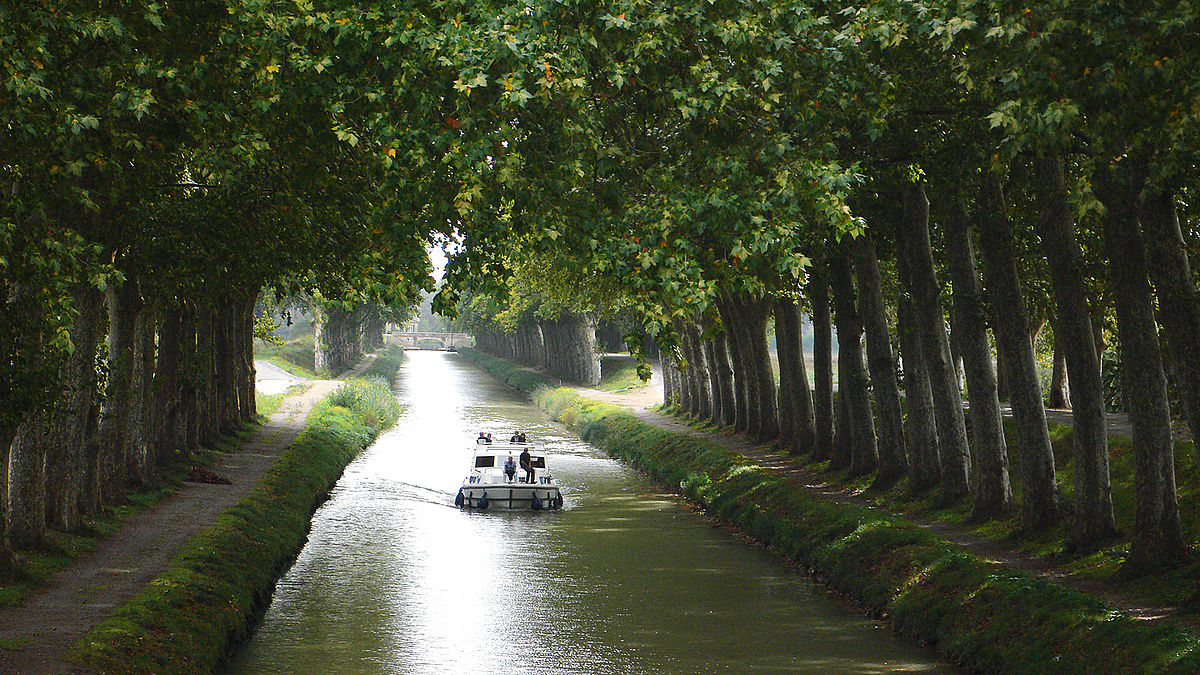
The Canal du Midi, a remarkable feat of 17th-century engineering, stretches across the southern region of France, connecting the Mediterranean Sea to the Atlantic Ocean. This UNESCO World Heritage site, constructed to facilitate trade and improve transport, showcases the ingenuity of its time while also offering a serene escape into nature. Its tranquil waters are lined with plane trees, providing a picturesque setting for leisurely boat rides and cycling excursions. The canal not only serves as a vital waterway but also as a cultural landmark, reflecting the rich history and traditions of the regions it traverses.
Spanning approximately 240 kilometers (149 miles), the Canal du Midi is a testament to the advancements in hydraulic engineering during its construction, which began in 1666 and was completed in 1681. Today, it attracts visitors from around the globe who seek to explore its scenic routes, charming villages, and historical significance. Whether you are an avid boater, a history enthusiast, or simply looking to unwind in nature, the Canal du Midi offers an enriching experience that is both educational and relaxing.
History and Significance
The Canal du Midi was commissioned by the French King Louis XIV and designed by engineer Pierre Paul Riquet. Its creation was driven by the need for efficient transportation between the Mediterranean and the Atlantic, a vision that was ambitious for its time. The canal was constructed using advanced engineering techniques, including the use of locks and aqueducts, which were revolutionary in the 17th century. This significant undertaking not only transformed trade routes but also had a profound impact on the economy of the region.
The canal has played a pivotal role in the development of Southern France, facilitating commerce and agriculture. It became a vital artery for transporting goods such as wine, grain, and olive oil, fostering economic growth and prosperity in the surrounding areas. The Canal du Midi also allowed for the movement of troops and military supplies, enhancing France’s strategic capabilities during various conflicts.
Culturally, the Canal du Midi has inspired countless artists, writers, and poets over the centuries, drawn to its serene beauty and historical significance. Today, it remains a cherished landmark, recognized not just for its practicality but also for its contribution to the landscape and heritage of France. The canal is a symbol of innovation and perseverance, embodying the spirit of a bygone era that continues to resonate with visitors.
Architecture and Features
The Canal du Midi is distinguished by its meticulously designed infrastructure, which includes a series of locks, bridges, and aqueducts that are integral to its operation. The locks allow boats to navigate the varying elevations along the canal, while the aqueducts, such as the impressive Pont Canal de Cesse, carry the water over valleys and roads, showcasing the ingenuity of 17th-century engineering.
The canal is lined with over 42,000 trees, primarily plane trees, which were planted to provide shade and enhance the beauty of the waterway. These trees create a tranquil atmosphere, making the canal a popular destination for leisurely strolls and cycling. Additionally, the towpaths along the canal, originally used by horses to pull barges, now serve as scenic walking and biking trails for visitors.
Historic villages and towns dot the canal’s banks, each with its unique charm and character. The architecture in these areas reflects the region’s rich history, featuring quaint stone houses, traditional markets, and vibrant cafés. Notable structures along the canal include the Écluse de Fonséranes, a complex of nine locks that is a remarkable example of hydraulic engineering, and the Malpas Tunnel, which is the first navigable tunnel built in France.
Visiting Information
To fully experience the Canal du Midi, visitors can engage in various activities, including boat rentals, cycling, and walking tours. The best way to explore the canal is by renting a boat, allowing you to navigate its serene waters at your leisure. Alternatively, cycling along the towpaths offers a unique perspective of the canal and its surroundings.
For those planning a visit, it’s advisable to check the official website for current information on operating hours, boat rentals, and pricing details. The canal is accessible year-round, but the best times to visit are during the spring and autumn months when the weather is mild, and the landscape is particularly enchanting.
Expect to spend at least a day exploring the Canal du Midi, as there are numerous points of interest and charming villages to discover along the way. Whether you’re interested in history, nature, or simply relaxing by the water, the canal provides a diverse range of experiences to suit every traveler’s interests.
Nearby Attractions
While visiting the Canal du Midi, there are several nearby attractions that offer additional cultural and historical insights:
- Carcassonne: A UNESCO World Heritage site, this medieval fortress boasts impressive ramparts and a rich history worth exploring.
- Castelnaudary: Famous for its cassoulet, this charming town is located along the canal and offers delightful dining options.
- Narbonne: Known for its Roman history, Narbonne features stunning architecture and vibrant markets.
- Languedoc Wine Region: The surrounding area is renowned for its wine production, offering numerous vineyards for tastings and tours.
- Minervois: This picturesque region is known for its stunning landscapes and charming villages, perfect for hiking and exploring.
Insider Tips
To capture the beauty of the Canal du Midi, consider visiting during the golden hours of early morning or late afternoon, when the light enhances the colors of the landscape. Additionally, try to avoid weekends and public holidays if you prefer a quieter experience, as these times can attract larger crowds.
For a unique perspective, take a bicycle ride along the canal’s towpaths, where you’ll find scenic spots for photography and relaxation. Remember to bring a camera, as the canal’s picturesque views and historical structures present myriad photo opportunities.
Practical Information
When visiting the Canal du Midi, it’s wise to bring essentials such as water, snacks, sunscreen, and comfortable footwear for walking or cycling. Depending on the season, layers may be necessary, as temperatures can vary throughout the day.
The canal is accessible year-round, but spring and autumn are particularly pleasant for outdoor activities. Summer can be quite warm, while winter may bring cooler temperatures and fewer visitors. Always check the weather forecast before your visit to ensure a comfortable experience.
Frequently Asked Questions
How long should I spend visiting?
A full day is recommended to explore the Canal du Midi, especially if you wish to experience both the waterway and surrounding attractions.
Is photography allowed?
Yes, photography is allowed throughout the canal. Capture the stunning landscapes and historic structures at your leisure.
Are there guided tours?
Guided tours are available for those interested in a more in-depth exploration of the canal and its history. Check local resources for options.
What’s the best time to visit?
Spring and autumn offer the most pleasant weather, while summer attracts more tourists. Plan accordingly for your preferences.
Is it wheelchair accessible?
While some areas may be accessible, the canal’s infrastructure varies. Check specific locations for accessibility options.
Can I buy tickets online?
Check the official website for information on boat rentals and any associated costs.
Are there restrooms and cafes?
Restroom facilities and cafés can be found in nearby towns, but options along the canal may be limited. Plan accordingly.
What should I wear?
Dress comfortably for outdoor activities and check the weather forecast to determine appropriate attire for your visit.
Photo Gallery
More in Occitanie
Agathe
📍 Gaul, France
Agathe is an evocative archaeological site that offers a glimpse into the life and culture of an ancient Greek settlement in Gaul. Situated at …
Allées funéraires de Lumé
📍 Fargues-sur-Ourbise, France
The Allées funéraires de Lumé, located in the tranquil region of Fargues-sur-Ourbise, France, is an archaeological site that offers a unique glimpse …

Anderitum
📍 Javols, France
Anderitum, located in the historic region of Javols in Lozère, France, is an archaeological site that transports visitors into the heart of …

Aqueduc de Castries
📍 Castries, France
The Aqueduc de Castries, situated in the Hérault region of France, is a remarkable engineering feat that dates back to the 18th century. Constructed …

Arago cave
📍 Tautavel, France
Situated in the picturesque region of Tautavel, the Arago Cave is an archaeological site of great importance, particularly for its contributions to …

Barrails Viaduct
📍 Arveyres, France
The Barrails Viaduct, a striking bridge in the heart of Arveyres, France, serves as a vital connection in the country’s transportation network while …

Bibliothèque municipale fonds ancien du Pays de Cahors
📍 Cahors, France
The Bibliothèque municipale fonds ancien du Pays de Cahors is more than just a library; it is a repository of knowledge and culture that has played a …
More UNESCO World Heritage

29th Division Memorial
📍 Beaumont-Hamel, France
The 29th Division Memorial serves as a solemn remembrance of the bravery and sacrifice of the soldiers from the 29th Division, who fought valiantly …

Beaumont-Hamel Newfoundland Memorial Park
📍 Auchonvillers, France
The Beaumont-Hamel Newfoundland Memorial Park stands as a significant tribute to the Newfoundland Regiment, which bravely fought during the Battle of …

Cathedral of Notre-Dame, Former Abbey of Saint-Rémi and Palace of Tau, Reims
📍 Reims, France
Reims, the capital of the Champagne region in northeastern France, is an important city steeped in history and culture. Among its most significant …

Memorial stones and tombs of Petit Donon
📍 Grandfontaine, France
Located in the picturesque region of Grandfontaine, the Memorial Stones and Tombs of Petit Donon are dedicated to the memory of soldiers who perished …
Monument of the Executed at Fleury-devant-Douaumont
📍 Fleury-devant-Douaumont, France
Situated in the heart of the Meuse department, the Monument of the Executed at Fleury-devant-Douaumont stands as a solemn reminder of the sacrifices …

Muslim Monument of Douaumont
📍 Fleury-devant-Douaumont, France
The Muslim Monument of Douaumont is a significant war memorial situated in the serene landscape of Fleury-devant-Douaumont, a town steeped in the …

Neuville-Saint-Vaast Czechoslovakian Cemetery
📍 Neuville-Saint-Vaast, France
The Neuville-Saint-Vaast Czechoslovakian Cemetery serves as a poignant reminder of the sacrifices made by Czechoslovak soldiers during World War I. …