

Barnenez
Overview
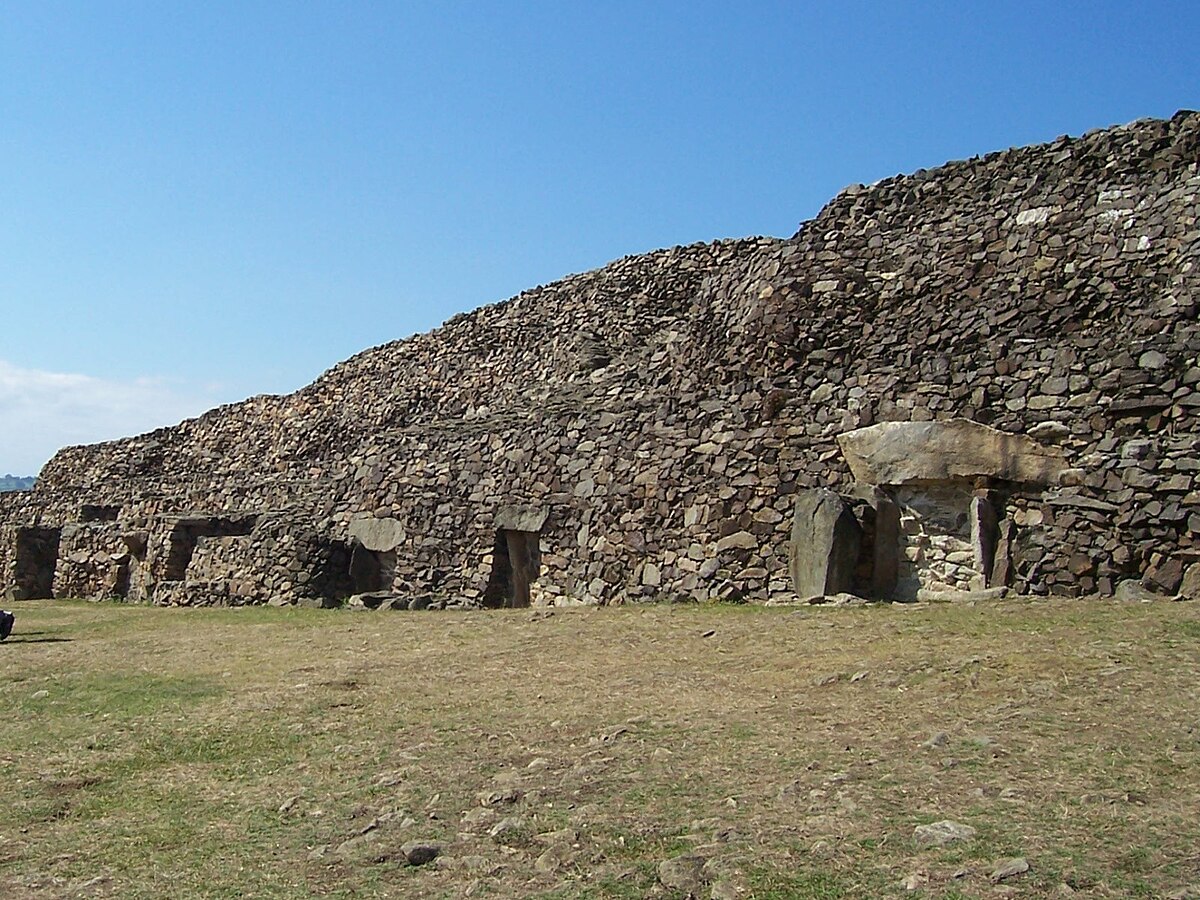
Barnenez is an archaeological site located in Plouezoc’h, Brittany, France, recognized for its remarkable megalithic structures. This site features one of the largest and oldest burial mounds in Europe, dating back to the Neolithic period. The site’s significance lies in its complex architecture and the insights it provides into the funerary practices of ancient civilizations. Visitors are drawn not only by its historical value but also by the chance to explore the ancient landscape that surrounds it. The site is situated along the picturesque coastline of Brittany, offering an intriguing blend of history and natural beauty. With its stone structures rising majestically against the backdrop of the sea, Barnenez presents an inviting destination for those interested in archaeology, history, and culture.
History and Significance
The Barnenez site is a striking example of Neolithic burial practices, with its extensive mound serving as a final resting place for numerous individuals. Constructed around 4500-4000 BC, the structure is considered one of the largest burial mounds in Europe, measuring approximately 75 meters in length. It consists of a series of chambers, which are architecturally significant due to their intricate design and construction methods. Each chamber is aligned with the natural landscape, reflecting the ancient builders’ understanding of their environment.
The site has been the focus of various archaeological studies, revealing artifacts that provide insight into the social and cultural practices of prehistoric communities. The findings include tools, pottery, and remnants of funerary offerings, indicating a sophisticated belief system surrounding death and the afterlife. The Barnenez burial mound represents not only the physical remnants of a long-gone civilization but also a deep connection to the spiritual and communal life of the people who constructed it.
Barnenez is often compared to other notable Neolithic sites across Europe, such as the Cairn of Gavrinis and the passage tombs of Newgrange in Ireland, highlighting its importance in understanding the wider context of prehistoric burial traditions. The site’s preservation and ongoing research efforts continue to shed light on the enigmatic lives of its ancient inhabitants, making it a significant location for both scholars and visitors alike.
Architecture and Features
The architectural layout of the Barnenez site is both impressive and complex. The burial mound is constructed from large granite stones, meticulously arranged to form a series of chambers and passageways. These chambers were designed for the interment of the deceased, showcasing the skill and craftsmanship of the ancient builders. The use of large stone blocks, some weighing several tons, demonstrates the engineering capabilities of Neolithic societies.
One of the most notable features of the site is the alignment of the chambers with celestial events, suggesting that the builders had a sophisticated understanding of astronomy. The main entrance leads into a central corridor, flanked by various chambers, which are adorned with carvings and engravings. These intricate designs are believed to have symbolic significance, possibly related to the beliefs surrounding death and the afterlife.
Visitors to Barnenez can explore the various chambers and appreciate the remarkable stonework, which has withstood the test of time. The site is not only a testament to the engineering prowess of its creators but also a focal point for understanding Neolithic culture. The combination of its architectural grandeur and historical importance makes Barnenez a captivating destination for those interested in ancient human history.
Visiting Information
Accessing Barnenez is relatively straightforward, with several options for transportation available. The site is located near the coastal town of Plouezoc’h, making it accessible by car or public transport. Visitors can drive to the site, with parking available nearby, or opt for local bus services that connect to larger towns in the region.
Check the official website for current information regarding opening hours and admission prices, as they may vary seasonally. A typical visit to Barnenez can take anywhere from one to two hours, depending on your interest level and the time spent exploring the chambers and surrounding area. The site is particularly popular during the spring and summer months when the weather is more conducive to outdoor exploration.
When planning a visit, it is advisable to dress in layers, as the weather can be unpredictable along the coast. Comfortable walking shoes are recommended, as visitors will likely want to explore the surrounding landscape as well.
Nearby Attractions
Saint-Quay-Portrieux: This charming coastal town offers beautiful beaches and a picturesque harbor, ideal for a relaxing afternoon.
The Cairn of Gavrinis: Located on an island in the Gulf of Morbihan, this site features another impressive Neolithic burial mound with intricate carvings and a rich history.
Treguier: A historic town with a stunning cathedral and quaint streets, Treguier is perfect for exploring local shops and enjoying traditional Breton cuisine.
Meneham village: Known for its unique coastal landscape and traditional stone houses, this village offers a glimpse into the life of fishermen in Brittany.
Plouha: This nearby coastal area features dramatic cliffs and scenic walking trails, making it an excellent spot for nature enthusiasts.
Insider Tips
To make the most of your visit to Barnenez, consider arriving early in the day to avoid crowds, especially during peak tourist season. Early mornings often provide a quieter atmosphere, allowing for a more contemplative experience as you explore the burial mound.
Photography enthusiasts should be mindful of the site’s rules regarding photography, particularly in the chambers. The natural light during the morning hours can enhance your photos, highlighting the intricate stonework against the backdrop of the surrounding landscape.
Practical Information
When visiting Barnenez, it is advisable to bring water and snacks, as options may be limited in the immediate vicinity. A small backpack can be useful for carrying essentials during your exploration.
Seasonal considerations are important; the site is best visited in the spring and summer for comfortable weather. However, autumn can also offer a unique experience with fewer tourists and beautiful fall foliage.
Frequently Asked Questions
How long should I spend visiting?
A visit typically lasts between one to two hours, depending on your interest in exploring the chambers and surrounding area.
Is photography allowed?
Photography may be permitted in certain areas, but check with site guidelines to ensure you are adhering to their rules.
Are there guided tours?
Check the official website for information on guided tours, as they may be available during peak season.
What’s the best time to visit?
Spring and summer are ideal for pleasant weather, but visiting in the early morning can help you avoid crowds.
Is it wheelchair accessible?
Access may be limited, so check with the official site for specific accessibility information.
Can I buy tickets online?
Check the official website for current ticket purchasing options and availability.
Are there restrooms and cafes?
Facilities may be limited at the site, so plan accordingly before your visit.
What should I wear?
Dress in layers and wear comfortable shoes to accommodate changing weather and walking conditions.
Photo Gallery
Visit Information
Quick Facts
- Heritage Type
- Archaeological Site
- Region
- Plouezoc'h
- Wikidata ID
- Q808456
More in Brittany

ball park of Port-Louis
📍 Port-Louis, France
The ball park of Port-Louis serves as a central hub of leisure and recreation within the charming town of Port-Louis in France. Set against the …

Bibliothèque municipale de Carquefou
📍 Carquefou, France
The Bibliothèque municipale de Carquefou serves as a vital resource for residents and visitors alike in the charming town of Carquefou, situated just …

Bois de Keroual
📍 Guilers, France
The Bois de Keroual is a picturesque park situated in the commune of Guilers, just north of the vibrant city of Brest in Brittany, France. Known for …

Bretagne Institute of Technology
📍 Quimper, France
The Bretagne Institute of Technology (Institut de Technologie de Bretagne) is a prominent institution in the field of higher education, located in the …

Cairns de Larcuste
📍 Colpo, France
Cairns de Larcuste is a significant archaeological site located in the picturesque region of Colpo, France. This site is part of a larger cultural …

Cité de la voile Éric Tabarly
📍 Lorient, France
Situated in the vibrant coastal city of Lorient in Brittany, the Cité de la voile Éric Tabarly serves as a unique tribute to one of France’s most …

Domaine de Squividan
📍 Clohars-Fouesnant, France
Domaine de Squividan is a captivating museum located in the picturesque region of Clohars-Fouesnant, France. This heritage site is dedicated to …
More Archaeological Sites
A Figa
📍 France
A Figa presents a fascinating glimpse into the ancient past of Corsica, an island steeped in historical significance and natural beauty. Situated in …
Abattis Evrard
📍 Remire-Montjoly, France
Abattis Evrard is a notable archaeological site situated in Remire-Montjoly, a region of French Guiana. This site is essential for understanding the …
abri Audi
📍 Les Eyzies-de-Tayac-Sireuil, France
The abri Audi, situated in the picturesque region of Les Eyzies-de-Tayac-Sireuil in France, is a remarkable archaeological site that offers a glimpse …

Abri de Villepin
📍 France
The Abri de Villepin, located in the picturesque region of France, is an archaeological site that holds significant importance for understanding early …

Abri des pêcheurs
📍 Berrias-et-Casteljau, France
The Abri des pêcheurs, located in the picturesque region of Berrias-et-Casteljau, France, is a remarkable archaeological site that provides a window …

abri Gay
📍 Poncin, France
The abri Gay is an archaeological site situated in the picturesque region of Poncin, France. Renowned for its extensive prehistoric artifacts, this …

Adsilanum
📍 France
Adsilanum is an archaeological site located in the picturesque region of France. This site holds significant archaeological value, offering a glimpse …