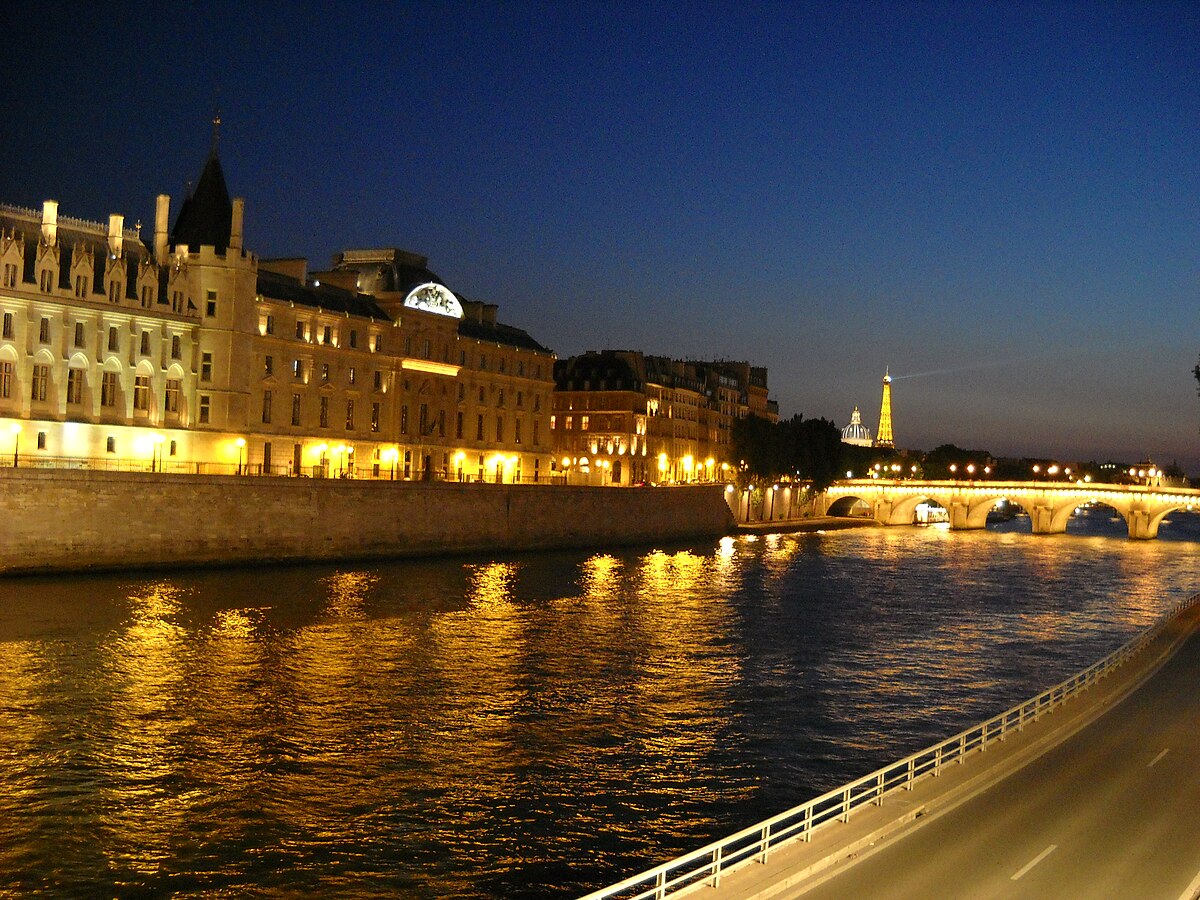


banks of the Seine
Overview
The banks of the Seine are a remarkable cultural heritage site that stretches through the heart of Paris, showcasing the city’s historical and artistic evolution. This UNESCO World Heritage Site is not just a riverbank; it is a living gallery of Parisian life, where art, history, and culture intertwine. The Seine flows gracefully through the city, providing a stunning backdrop to some of its most famous landmarks, including Notre-Dame Cathedral, the Louvre, and the Musée d’Orsay. As one strolls along the river, they are enveloped in a unique atmosphere that captures the essence of Paris, making it a must-visit destination for travelers and locals alike.
The significance of the Seine extends far beyond its physical presence; it has served as a vital transportation route, a source of inspiration for countless artists, and a central feature in the daily lives of Parisians. The riverbanks are adorned with historic bridges, charming quays, and beautiful parks, all contributing to the cultural tapestry of the city. Whether you are an art enthusiast, a history buff, or simply someone looking to soak in the vibrant Parisian ambiance, the banks of the Seine promise an enriching experience that reflects the city’s storied past and dynamic present.
History and Significance
The Seine River has played a pivotal role in the development of Paris since ancient times. It has been a crucial artery for trade and transport, fostering economic growth and cultural exchange. The river’s banks witnessed the rise of Paris as a center of power, culture, and art, making it a significant historical feature of the city. The significance of the Seine is further emphasized by its role in the artistic movements that flourished in Paris. From the Impressionist painters who captured the light dancing on the water to writers and poets who found inspiration in its banks, the Seine has been a muse for many.
Throughout the centuries, Paris has developed around the Seine, leading to the construction of iconic structures that line its banks. The riverside has been altered and enhanced with quays, promenades, and bridges that not only serve practical purposes but also contribute to the aesthetic appeal of the city. The historical significance of the Seine was recognized in 1991 when UNESCO designated the banks of the Seine as a World Heritage Site, acknowledging its cultural importance and the need to preserve it for future generations.
The vibrant life along the Seine is also marked by the annual events and festivals that take place, further enhancing its cultural relevance. From art exhibitions to open-air concerts, the riverbanks serve as a backdrop for a myriad of activities that celebrate the artistic spirit of Paris. The banks of the Seine are not merely a geographic feature; they are a symbol of the city’s identity, embodying the essence of Parisian culture, history, and community.
Architecture and Features
The banks of the Seine are lined with a diverse range of architectural styles that reflect the historical evolution of Paris. From Romanesque to Gothic, and from Renaissance to modern designs, the riverbanks encapsulate the city’s architectural journey. Notable features include the iconic bridges that span the Seine, such as the Pont Alexandre III, renowned for its ornate sculptures and Art Nouveau design, and the Pont des Arts, known for its picturesque views and history as a “love lock” bridge.
The quays along the Seine, particularly the Left Bank, are adorned with charming bookstalls and cafes that add to the lively atmosphere. The Seine’s banks also offer a series of parks and gardens, such as the Jardin des Tuileries and the Parc Rives de Seine, which provide tranquil spots for relaxation and recreation. These green spaces, combined with the historic architecture, create a harmonious blend of nature and culture.
Additionally, the Seine is home to several floating structures, including the famous Barge de l’Art, which serves as a venue for art exhibitions and cultural events. The combination of water, architecture, and greenery along the banks of the Seine creates a unique urban landscape that invites exploration and enjoyment. Visitors can wander along the promenades, taking in the sights and sounds of the city, all while surrounded by the rich heritage that defines Paris.
Visiting Information
Visiting the banks of the Seine offers a unique opportunity to experience Paris from a different perspective. The best way to enjoy this cultural heritage site is on foot or by bike, allowing you to take in the sights at your own pace. Various walking paths and bike lanes run alongside the river, providing easy access to key landmarks and attractions.
To get to the banks of the Seine, public transportation is highly recommended. The Paris Métro has several stations nearby, including those at Châtelet, Saint-Michel, and Palais Royal, making it convenient to reach different sections of the river. For those who prefer a scenic approach, boat tours on the Seine are available, offering a unique vantage point of the city’s landmarks.
It’s advisable to check the official website for current information regarding any seasonal events, guided tours, and specific opening hours. While visiting, plan to spend at least a few hours exploring the banks, as there are numerous attractions and historical sites to appreciate. The best times to visit are during the spring and fall when the weather is mild, and the crowds are manageable, allowing for a more leisurely experience along the river.
Nearby Attractions
The banks of the Seine are in close proximity to a wealth of attractions that enhance the overall experience of visiting this UNESCO World Heritage Site:
- Notre-Dame Cathedral: One of the most famous Gothic cathedrals in the world, located on Île de la Cité, just a short walk from the river.
- Louvre Museum: The world-renowned art museum, home to thousands of works, including the Mona Lisa, is situated nearby and is easily accessible from the Seine.
- Musée d’Orsay: Housed in a former railway station, this museum features an extensive collection of Impressionist and Post-Impressionist masterpieces.
- Pont Alexandre III: An ornate bridge known for its stunning sculptures and architecture, offering picturesque views of the Seine and the city.
- Île Saint-Louis: A charming island in the Seine, known for its quaint streets, historical buildings, and delightful ice cream shops.
These attractions are easily reachable from the banks of the Seine, making it simple to plan a full day of exploration in this culturally rich part of Paris.
Insider Tips
To make the most of your visit to the banks of the Seine, consider these insider tips:
- Photography: The best time for photography is during the golden hours of sunrise and sunset when the light casts a warm glow over the river and its surroundings. Iconic landmarks such as Notre-Dame and the Eiffel Tower look particularly stunning during these times.
- Crowd Avoidance: Visit during weekdays or early in the morning to enjoy a quieter experience, especially in popular areas. Weekends tend to attract larger crowds, particularly in warmer months.
- Local Experiences: Engage with local vendors at the bookstalls along the river for unique souvenirs or pick up a picnic from a nearby café to enjoy by the water.
Practical Information
When exploring the banks of the Seine, it’s important to be prepared:
- What to Bring: Comfortable walking shoes are essential, as you will likely spend a lot of time on foot. A reusable water bottle, sunscreen, and a light jacket are also advisable, especially if you plan to stay for an extended period.
- Seasonal Considerations: Each season offers a different experience along the Seine. Spring and summer are ideal for outdoor activities, while autumn provides a beautiful display of fall foliage. Winter can be chilly, but the festive decorations along the river can be enchanting.
Frequently Asked Questions
How long should I spend visiting?
A visit of 3 to 5 hours is recommended to fully appreciate the banks of the Seine and nearby attractions.
Is photography allowed?
Yes, photography is encouraged along the banks of the Seine, especially of the scenic views and historic landmarks.
Are there guided tours?
Yes, various guided tours are available, offering insights into the history and culture of the Seine and its surroundings.
What’s the best time to visit?
The best times to visit are spring and fall when the weather is pleasant and crowds are smaller.
Is it wheelchair accessible?
Many areas along the banks are accessible, but some parts may have uneven surfaces. Check specific locations for accessibility.
Can I buy tickets online?
While many attractions near the Seine offer online ticket sales, check the official websites for the most accurate information.
Are there restrooms and cafes?
Public restrooms are available in nearby parks, and numerous cafes and restaurants line the river for refreshments.
What should I wear?
Dress comfortably and in layers to adapt to changing weather conditions, especially if you plan to spend several hours outdoors.
Photo Gallery
More in Île-de-France
91 tombeaux de la Guerre de 1914-1918 du cimetière de Vanves
📍 Vanves, France
The 91 tombeaux de la Guerre de 1914-1918 du cimetière de Vanves, located in the Hauts-de-Seine department, serve as a solemn reminder of the …
A Figa
📍 France
A Figa presents a fascinating glimpse into the ancient past of Corsica, an island steeped in historical significance and natural beauty. Situated in …
À la mémoire des Arméniens morts pour la France
📍 Paris, France
À la mémoire des Arméniens morts pour la France is a significant memorial site that honors the contributions and sacrifices of Armenian soldiers who …
abri Audi
📍 Les Eyzies-de-Tayac-Sireuil, France
The abri Audi, situated in the picturesque region of Les Eyzies-de-Tayac-Sireuil in France, is a remarkable archaeological site that offers a glimpse …

Abri de Villepin
📍 France
The Abri de Villepin, located in the picturesque region of France, is an archaeological site that holds significant importance for understanding early …

Adsilanum
📍 France
Adsilanum is an archaeological site located in the picturesque region of France. This site holds significant archaeological value, offering a glimpse …

Alalia
📍 France
Alalia, located on the eastern coast of Corsica, is an archaeological site that holds great significance in understanding the ancient civilizations …
More UNESCO World Heritage

29th Division Memorial
📍 Beaumont-Hamel, France
The 29th Division Memorial serves as a solemn remembrance of the bravery and sacrifice of the soldiers from the 29th Division, who fought valiantly …

Beaumont-Hamel Newfoundland Memorial Park
📍 Auchonvillers, France
The Beaumont-Hamel Newfoundland Memorial Park stands as a significant tribute to the Newfoundland Regiment, which bravely fought during the Battle of …

Cathedral of Notre-Dame, Former Abbey of Saint-Rémi and Palace of Tau, Reims
📍 Reims, France
Reims, the capital of the Champagne region in northeastern France, is an important city steeped in history and culture. Among its most significant …

Memorial stones and tombs of Petit Donon
📍 Grandfontaine, France
Located in the picturesque region of Grandfontaine, the Memorial Stones and Tombs of Petit Donon are dedicated to the memory of soldiers who perished …
Monument of the Executed at Fleury-devant-Douaumont
📍 Fleury-devant-Douaumont, France
Situated in the heart of the Meuse department, the Monument of the Executed at Fleury-devant-Douaumont stands as a solemn reminder of the sacrifices …

Muslim Monument of Douaumont
📍 Fleury-devant-Douaumont, France
The Muslim Monument of Douaumont is a significant war memorial situated in the serene landscape of Fleury-devant-Douaumont, a town steeped in the …

Neuville-Saint-Vaast Czechoslovakian Cemetery
📍 Neuville-Saint-Vaast, France
The Neuville-Saint-Vaast Czechoslovakian Cemetery serves as a poignant reminder of the sacrifices made by Czechoslovak soldiers during World War I. …