
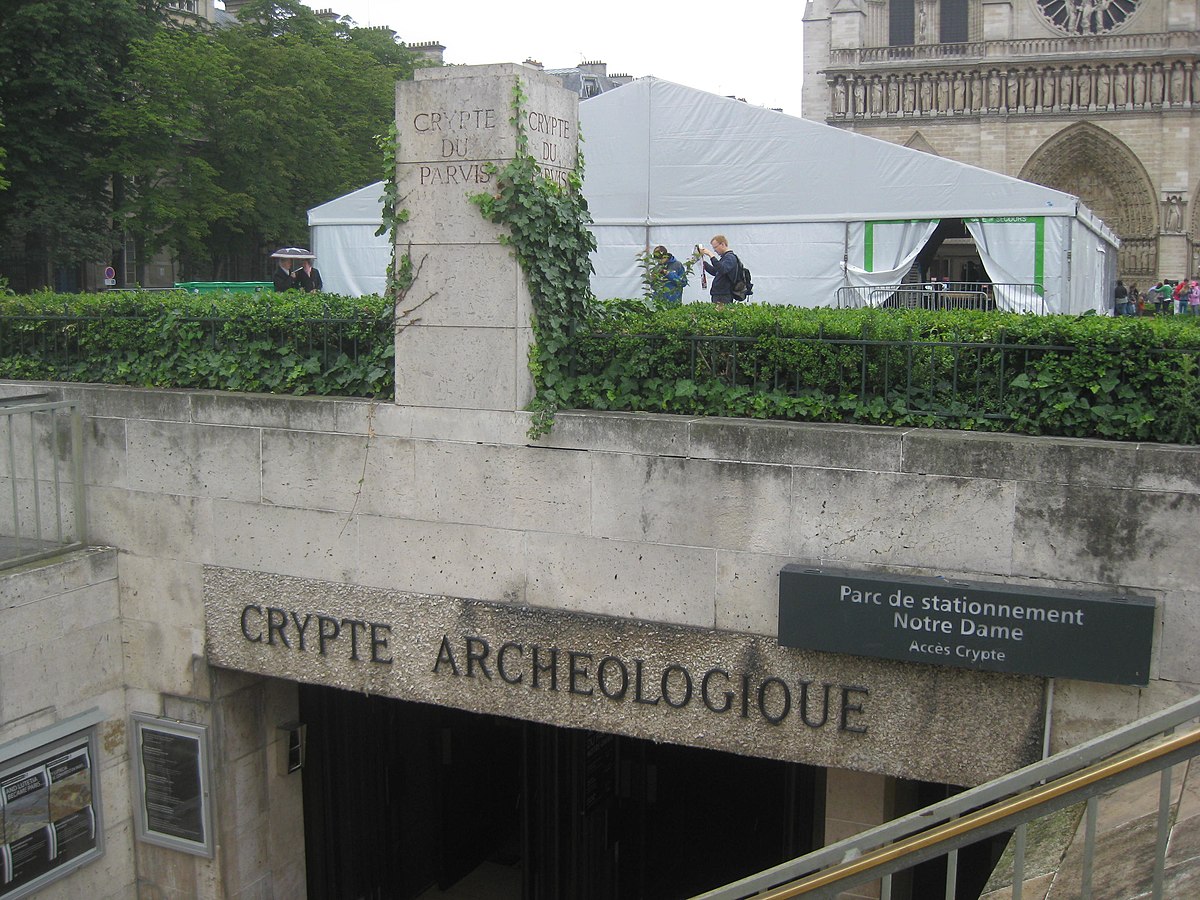


Archaeological Crypt of the Paris Notre-Dame
Overview
The Archaeological Crypt of the Paris Notre-Dame offers a fascinating glimpse into the ancient history of Paris, revealing layers of civilization beneath the bustling streets of one of the world’s most famous cities. Situated just steps away from the iconic Notre-Dame Cathedral, this museum provides visitors with an opportunity to explore the remnants of the city’s Roman past, including the foundations of ancient buildings and streets that date back to the 1st century AD. The crypt serves not only as a museum but also as a testament to the evolution of urban life in Paris over centuries.
Visitors can walk through the intricately designed exhibition area, where archaeological finds are displayed in situ, allowing for an immersive experience that highlights Paris’s historical significance. From the ancient Roman walls to the medieval structures, the crypt paints a vivid picture of the city’s transformation through time. Those intrigued by history, archaeology, and urban development will find the Archaeological Crypt a compelling stop on their Paris itinerary.
History and Significance
The Archaeological Crypt was established in 1965 during the construction of the Place Jean-Paul II, which was designed to enhance the area around Notre-Dame Cathedral. The excavation revealed an extraordinary array of artifacts and structures that tell the story of Paris from its earliest days as a Roman settlement known as Lutetia. The site showcases remnants of the Gallo-Roman period, including streets, houses, and public baths, all of which provide insight into the daily lives of the city’s early inhabitants.
As the city evolved, so did its architecture and layout, and the crypt reflects these changes. Visitors can observe the transition from Roman to medieval architecture, which is crucial for understanding how Paris developed into the vibrant metropolis it is today. The archaeological finds have significantly contributed to the understanding of urban development in Paris, making the site not just a museum, but a vital piece of the city’s historical narrative.
With its unique ability to bridge various periods of history, the Archaeological Crypt of the Paris Notre-Dame is more than a museum; it is a historical archive that highlights the cultural and architectural evolution of one of the world’s most notable cities.
Architecture and Features
The Archaeological Crypt is notable for its modern design that contrasts with the ancient artifacts it houses. The museum is structured to facilitate exploration of the archaeological remains, featuring glass walkways and informative displays that allow visitors to appreciate the significance of each discovery.
Within the crypt, a range of architectural elements can be observed, from the remnants of Roman streets made of large stone slabs to the foundations of medieval buildings. The layout is organized to guide visitors through the various periods of Paris’s history, showcasing how the city has been continuously inhabited and transformed over millennia.
One of the most striking features of the crypt is the preservation of original Roman walls, which stand as a reminder of the city’s ancient roots. The dimly lit corridors invite visitors to imagine the bustling life that once filled these streets. Informative panels throughout the museum provide context for the exhibits, enhancing the overall educational experience.
The combination of modern design and ancient artifacts creates a unique atmosphere where the past and present coexist, making it an engaging space for history enthusiasts and casual visitors alike.
Visiting Information
The Archaeological Crypt of the Paris Notre-Dame is conveniently located in the heart of Paris, making it easily accessible via public transport. Visitors can reach the site using the Paris Métro, with the nearest station being Cité, which is just a short walk from the crypt.
Check the official website for current information on hours and prices, as these can change. Generally, visitors should plan to spend about an hour exploring the crypt, although those with a deep interest in archaeology may wish to linger longer. The museum tends to be less crowded in the early morning or late afternoon, making these times ideal for a more intimate experience.
The crypt is climate-controlled, providing a comfortable environment year-round. Be sure to wear comfortable shoes, as visitors will be walking along various paths and sometimes uneven surfaces.
Nearby Attractions
While visiting the Archaeological Crypt, consider exploring these nearby attractions:
- Notre-Dame Cathedral: Just steps away, this iconic Gothic cathedral is a must-see for its stunning architecture and rich history.
- Sainte-Chapelle: Famous for its breathtaking stained glass, this chapel is located nearby and offers a glimpse into royal history.
- Île de la Cité: The island on which Notre-Dame sits, featuring lovely parks and views of the Seine River.
- Conciergerie: Once a royal palace and later a prison, this historic building reveals another facet of Paris’s past.
- Place Dauphine: A charming square lined with cafes and shops, perfect for a leisurely stroll or a coffee break.
Insider Tips
To make the most of your visit to the Archaeological Crypt, consider the following tips:
- Photography: While photography is allowed in the crypt, be mindful of the lighting and the need to respect other visitors’ experiences.
- Crowd Avoidance: Visiting during weekday mornings can help you avoid larger crowds, especially during peak tourist seasons.
- Guided Tours: If you’re particularly interested in the archaeological aspects, look for guided tours that may offer deeper insights into the exhibits.
Practical Information
When planning your visit to the Archaeological Crypt, keep the following practical considerations in mind:
- What to Bring: Comfortable clothing and shoes are recommended, as you will be walking through various exhibits. A small bag for personal items is also advisable.
- Seasonal Considerations: The museum is open year-round, but check the official website for any seasonal hours or closures that may affect your visit.
- Accessibility: The crypt is designed to be accessible to all visitors, including those with mobility challenges.
Frequently Asked Questions
How long should I spend visiting?
Most visitors spend about one hour at the Archaeological Crypt, though history enthusiasts may wish to stay longer.
Is photography allowed?
Yes, photography is permitted, but be considerate of other visitors and the lighting conditions.
Are there guided tours?
Guided tours may be available. Check the official website for details on scheduling and pricing.
What’s the best time to visit?
Early mornings or late afternoons, especially during weekdays, tend to be less crowded.
Is it wheelchair accessible?
Yes, the crypt is designed to be accessible to all visitors, including those with mobility issues.
Can I buy tickets online?
Check the official website for information on ticket purchasing options.
Are there restrooms and cafes?
Restroom facilities are available on-site, but food services may be limited. Consider bringing snacks or exploring nearby cafes.
What should I wear?
Comfortable clothing and shoes are recommended for walking through the exhibits and navigating the crypt’s paths.
Photo Gallery
Visit Information
Quick Facts
- Heritage Type
- Museum
- Region
- 4th arrondissement of Paris
- Wikidata ID
- Q3005760
More in Île-de-France
91 tombeaux de la Guerre de 1914-1918 du cimetière de Vanves
📍 Vanves, France
The 91 tombeaux de la Guerre de 1914-1918 du cimetière de Vanves, located in the Hauts-de-Seine department, serve as a solemn reminder of the …
A Figa
📍 France
A Figa presents a fascinating glimpse into the ancient past of Corsica, an island steeped in historical significance and natural beauty. Situated in …
À la mémoire des Arméniens morts pour la France
📍 Paris, France
À la mémoire des Arméniens morts pour la France is a significant memorial site that honors the contributions and sacrifices of Armenian soldiers who …
abri Audi
📍 Les Eyzies-de-Tayac-Sireuil, France
The abri Audi, situated in the picturesque region of Les Eyzies-de-Tayac-Sireuil in France, is a remarkable archaeological site that offers a glimpse …

Abri de Villepin
📍 France
The Abri de Villepin, located in the picturesque region of France, is an archaeological site that holds significant importance for understanding early …

Adsilanum
📍 France
Adsilanum is an archaeological site located in the picturesque region of France. This site holds significant archaeological value, offering a glimpse …

Alalia
📍 France
Alalia, located on the eastern coast of Corsica, is an archaeological site that holds great significance in understanding the ancient civilizations …
More Museums & Galleries

Cité de la voile Éric Tabarly
📍 Lorient, France
Situated in the vibrant coastal city of Lorient in Brittany, the Cité de la voile Éric Tabarly serves as a unique tribute to one of France’s most …

Domaine de Squividan
📍 Clohars-Fouesnant, France
Domaine de Squividan is a captivating museum located in the picturesque region of Clohars-Fouesnant, France. This heritage site is dedicated to …
maison de la photographie
📍 Lille, France
The maison de la photographie serves as a vibrant hub for photography enthusiasts and casual visitors alike in the heart of Lille, France. This museum …
Maison des vautours
📍 Saint-Pierre-des-Tripiers, France
The Maison des vautours, or Vulture House, serves as an engaging museum that delves into the life and conservation of vultures in the region of …

Abbadia Castle
📍 Hendaye, France
Abbadia Castle, located in the scenic region of Hendaye, France, is a remarkable example of 19th-century architecture that stands proudly near the …

Abri du marin de l'île de Sein
📍 Île-de-Sein, France
The Abri du marin de l’île de Sein serves as a vital cultural institution dedicated to preserving and displaying the rich maritime heritage of the Île …

Abri du marin de Sainte-Marine
📍 Combrit, France
The Abri du marin de Sainte-Marine, a museum situated in the picturesque commune of Combrit in France, serves as a focal point for understanding the …