


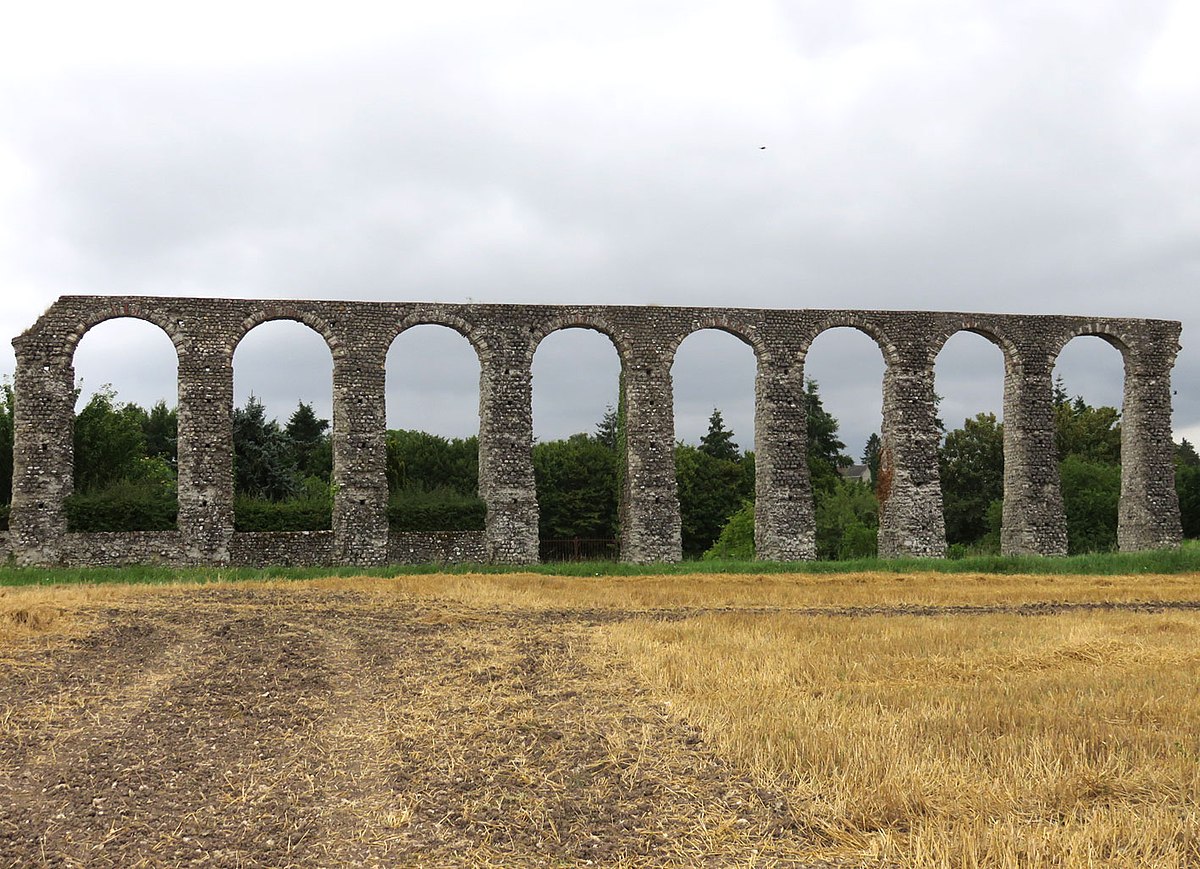


Aqueduct of Luynes
Overview
The Aqueduct of Luynes, situated in the charming region of Indre-et-Loire in France, is a remarkable example of hydraulic engineering from the past. This aqueduct was constructed to transport water from the nearby sources to the city of Tours, playing a crucial role in the region’s water supply system. The structure not only embodies the ingenuity of ancient construction methods but also reflects the importance of water infrastructure in urban development. As you approach the aqueduct, you’ll be greeted by its majestic arches, a sight that evokes curiosity about the engineering skills of its builders. The aqueduct is a significant landmark that showcases the blend of functionality and artistry, making it a worthwhile destination for history enthusiasts and architecture aficionados alike.
History and Significance
The Aqueduct of Luynes was built to address the growing need for a reliable water supply in the surrounding areas, particularly for the city of Tours. Throughout history, water management has been a vital aspect of urban planning, and the construction of aqueducts was pivotal in ensuring that cities had access to fresh water. The Luynes aqueduct serves as an important reminder of this necessity and the engineering prowess of the time.
While specific dates of construction are not documented, the aqueduct highlights the advancements in civil engineering during its period of use. Its historical significance is enhanced by the challenges faced during its construction, including the need to navigate the region’s geography to create a functional and durable structure. The aqueduct represents not only a technical achievement but also an essential resource that contributed to the well-being and health of the local population.
The cultural importance of the Aqueduct of Luynes extends beyond its functional purpose. It stands as a symbol of communal effort and innovation, showcasing the collective determination to enhance living conditions in the area. Today, it serves as a point of interest for visitors, drawing attention to the historical context of water management in France.
Architecture and Features
The Aqueduct of Luynes is characterized by its impressive series of arches that rise gracefully above the landscape. Constructed with local materials, the structure exhibits the architectural styles of its time, which prioritized both utility and aesthetics. The arches are designed to support the weight of the water channel while allowing for the passage of people and vehicles below.
One of the notable features of the aqueduct is its length, which efficiently spans the terrain to transport water over varying elevations. The engineering design demonstrates a thorough understanding of hydrodynamics and structural integrity, which would have been advanced for its time. The aqueduct is not merely a functional structure; it is also a visual landmark that complements the natural beauty of the surrounding landscape.
Visitors will appreciate the craftsmanship seen in the stonework and the alignment of the arches, which create a rhythmic pattern that enhances the visual appeal of the structure. The aqueduct’s design reflects the principles of harmony and balance, making it a significant subject for architectural study.
Visiting Information
When planning your visit to the Aqueduct of Luynes, consider the best modes of transport to reach this historic site. The aqueduct is accessible by car, and parking options may be available nearby. Public transport options may also exist, though it’s advisable to check local schedules as they can vary.
Check the official website for current information regarding visiting hours and any potential entry fees. As you explore the site, be prepared to spend about one to two hours to fully appreciate the architecture and history of the aqueduct. The best times to visit are during the spring and early fall when the weather is pleasant, and the surrounding scenery is particularly inviting.
Expect to walk around the structure and possibly take guided tours if available, which can provide deeper insights into the aqueduct’s history and engineering. Dress comfortably and wear sturdy footwear, as some areas may require walking on uneven ground.
Nearby Attractions
- Château de Luynes: A short distance from the aqueduct, this historic castle offers insights into the region’s aristocratic past and beautiful gardens to explore.
- Tours: The nearby city of Tours is rich in history and culture, featuring stunning architecture, museums, and vibrant local markets.
- Château de Villandry: Renowned for its exquisite gardens, this Renaissance château provides a picturesque setting and a glimpse into the opulence of the era.
- Abbaye de Marmoutier: This former abbey, located a short drive away, showcases beautiful architecture and offers a serene environment for reflection.
- Loire Valley: Known for its vineyards and stunning châteaux, the Loire Valley is a UNESCO World Heritage site that provides ample opportunities for exploration and enjoyment.
Insider Tips
For the best photography opportunities, consider visiting early in the morning or late in the afternoon when the light casts a warm glow on the aqueduct. This timing can also help you avoid larger crowds, allowing for a more intimate experience. Be sure to capture the arches from various angles to appreciate the structure’s grandeur fully.
If you’re looking for a quieter experience, weekdays are generally less crowded than weekends. Bringing a picnic to enjoy in the nearby green spaces can enhance your visit, providing a chance to relax and soak in the atmosphere.
Practical Information
When visiting the Aqueduct of Luynes, it’s advisable to bring essentials such as water, sunscreen, and a camera to capture the beautiful scenery. Comfortable walking shoes are recommended, especially if you plan to explore the surrounding area.
Seasonal considerations include the potential for rain in the spring and fall, so check the weather forecast before your visit. For those visiting during the summer months, ensure to stay hydrated and wear appropriate clothing for warm weather.
Frequently Asked Questions
How long should I spend visiting?
A visit typically lasts between one to two hours, depending on your interest in the site and surrounding areas.
Is photography allowed?
Yes, photography is allowed, and the structure provides numerous beautiful angles for capturing memorable images.
Are there guided tours?
Check the official website for information on guided tours, as they may provide additional insights into the aqueduct’s history and significance.
What’s the best time to visit?
The best times to visit are during spring and early fall when the weather is pleasant and the natural surroundings are vibrant.
Is it wheelchair accessible?
Accessibility information may vary; check the official website for details regarding wheelchair access.
Can I buy tickets online?
Ticket purchasing options may be available online; check the official website for current information.
Are there restrooms and cafes?
Facilities such as restrooms and cafes might be limited; it’s advisable to plan accordingly or visit nearby towns for additional amenities.
What should I wear?
Dress comfortably, wearing appropriate footwear for walking, and consider seasonal weather conditions when planning your outfit.
Photo Gallery
More in Centre-Val de Loire

arche du Pin
📍 Joué-lès-Tours, France
The arche du Pin serves as a vital connection in the region of Joué-lès-Tours, situated near the banks of the Loire River. This bridge exemplifies …
Bailleulval Communal Cemetery
📍 Bailleulval, France
Bailleulval Communal Cemetery is situated in the serene village of Bailleulval, in the Pas-de-Calais region of France. This cemetery holds a unique …
bibliothèque Gaston Waringhien
📍 Aigné, France
The bibliothèque Gaston Waringhien serves as a vital cultural hub in Aigné, France, offering a wealth of resources to the community and visitors …

Campo Santo d'Orléans
📍 Orléans, France
Campo Santo d’Orléans is a notable cemetery located in the heart of the Loiret region of France. This site serves not only as a resting place for the …

Centre Charles Péguy
📍 Orléans, France
The Centre Charles Péguy serves as a vital cultural hub in Orléans, France, dedicated to literature and community engagement. Named after the …

Cimetière de Cocherel
📍 Houlbec-Cocherel, France
Cimetière de Cocherel is situated in the picturesque region of Eure, France, within the quaint commune of Houlbec-Cocherel. This cemetery serves as a …

Cimetière de Neuilly
📍 Valravillon, France
Cimetière de Neuilly is a cemetery situated in the Valravillon region of Yonne, France. This serene and reflective space serves not only as a final …
More Bridges & Infrastructure

Ancien pont de pierre
📍 Pont-sur-Yonne, France
The Ancien pont de pierre, or Old Stone Bridge, is a landmark located in the quaint town of Pont-sur-Yonne in France. This bridge, which has stood the …
Approuague Bridge
📍 France
The Approuague Bridge is a prominent structure in French Guiana, situated at the coordinates 4.28966, -52.1358. This bridge spans the Approuague …
aqueduc à voûte en rouleaux à ressauts de la voie ferrée Andelot - La Cluse
📍 Arbent, France
The aqueduct à voûte en rouleaux à ressauts de la voie ferrée Andelot - La Cluse is a remarkable example of engineering from the 19th century, …
aqueduc de Barberèche
📍 Vitry-en-Charollais, France
The aqueduc de Barberèche is an intriguing piece of engineering located in the tranquil region of Vitry-en-Charollais in Saône-et-Loire, France. This …
aqueduc de Brienne
📍 Brienne, France
The aqueduct de Brienne, situated in the region of Saône-et-Loire, is a remarkable feat of engineering that reflects the ingenuity of historical water …

Aqueduc de Castries
📍 Castries, France
The Aqueduc de Castries, situated in the Hérault region of France, is a remarkable engineering feat that dates back to the 18th century. Constructed …
aqueduc de Chaumont
📍 Saint-Eusèbe, France
The aqueduc de Chaumont, situated in the picturesque region of Saône-et-Loire, is an impressive feat of engineering that highlights the ingenuity of …