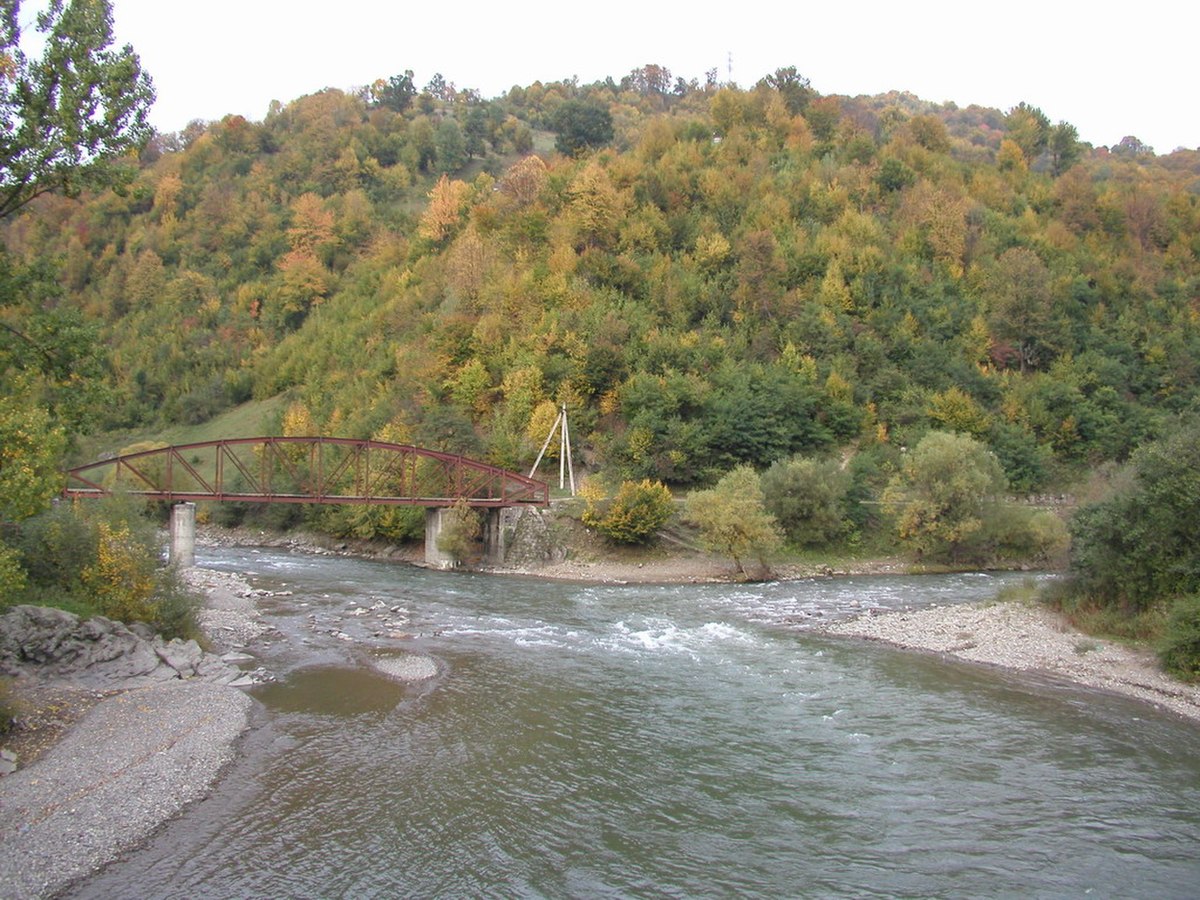


Ancient and Primeval Beech Forests of the Carpathians and Other Regions of Europe
Overview
The Ancient and Primeval Beech Forests of the Carpathians and Other Regions of Europe represent a unique and invaluable ecological system, showcasing the majestic beauty of beech forests that have remained largely undisturbed by human activity. Spanning across multiple European countries, this protected area is a significant ecological and cultural treasure. It plays a crucial role in biodiversity conservation and is home to numerous species of flora and fauna, some of which are found nowhere else. The forests serve as a living testament to the resilience of nature, illustrating the importance of preserving natural habitats in the face of modern challenges such as climate change and habitat destruction.
Located primarily in the Subcarpathian Voivodeship of France, the site is part of a larger network of beech forests that extend across central and eastern Europe, making it a vital ecosystem that contributes to our understanding of temperate forest dynamics. The forests are not only a refuge for wildlife but also offer a serene escape for visitors, providing opportunities for exploration, education, and reflection in a truly pristine setting.
History and Significance
The significance of the Ancient and Primeval Beech Forests extends beyond their ecological value; they embody a historical narrative that highlights humanity’s relationship with nature. Beech trees, with their long lifespan and towering presence, have witnessed centuries of ecological evolution, and their survival is a reflection of changing environmental conditions over time. These forests have been shaped by natural processes, remaining largely untouched by modern forestry practices, which is increasingly rare in today’s world.
Culturally, these forests have played a role in the traditions and livelihoods of local communities. They have served as sources of timber and resources, while also holding spiritual significance in various cultures. The harmonious relationship between these forests and the surrounding human communities exemplifies a sustainable coexistence that has been maintained for generations.
The UNESCO designation as a World Heritage Site underscores the global importance of these forests. It highlights the need for conservation efforts to protect not only the beech trees themselves but also the diverse ecosystems that depend on them. The designation also encourages international cooperation in conservation initiatives, fostering a collective responsibility towards preserving these natural wonders for future generations.
Architecture and Features
The primary feature of the Ancient and Primeval Beech Forests is, of course, the beech trees themselves. These majestic trees can reach impressive heights and create a stunning canopy that filters sunlight, creating a unique microclimate beneath. The undergrowth is rich with biodiversity, hosting various species of plants, fungi, and wildlife that thrive in the forest’s shaded and moist environment.
A walk through the forests reveals the intricate interplay of life; from moss-covered logs to the delicate wildflowers that bloom in the spring, every element contributes to the forest’s ecological balance. The ancient beech trees, many of which are hundreds of years old, have gnarled trunks and sprawling branches that tell the story of their long life, providing crucial habitats for birds, insects, and small mammals.
The forests also showcase unique geological features, with diverse soil types and varying elevations that contribute to the rich biodiversity. These features create distinct habitats within the forest, further enhancing its ecological significance.
Visiting Information
Visiting the Ancient and Primeval Beech Forests provides an opportunity to immerse oneself in nature and appreciate its splendor. Access to the forests is generally straightforward, with several entry points available for visitors. While specific hours and prices can vary, check the official website for current information before planning your visit.
Expect to spend at least a few hours exploring the forest trails, which vary in difficulty and length. Some paths are suitable for casual walkers, while others may require more preparation. The best times to visit are during the spring and autumn when the foliage is particularly beautiful, and wildlife is more active.
When planning your visit, consider transportation options, as public transport may be limited. Car rental can provide greater flexibility in exploring the surrounding regions and other nearby attractions.
Nearby Attractions
While the Ancient and Primeval Beech Forests are a highlight, several nearby attractions enhance the overall experience:
Parc Naturel Régional des Ballons des Vosges - This regional natural park offers stunning landscapes, hiking trails, and opportunities for wildlife observation.
Château de Haute-Alsace - A historic castle nearby that provides insight into the region’s history and architecture.
Colmar - A picturesque town known for its well-preserved medieval architecture and vibrant culture.
Route des Vins d’Alsace - This wine route features charming villages and vineyards, perfect for those interested in local gastronomy and viticulture.
Strasbourg - A cultural hub with its famous cathedral, historic old town, and a blend of French and German influences.
Insider Tips
For those looking to capture the beauty of the Ancient and Primeval Beech Forests through photography, early morning or late afternoon light provides the best conditions. The gentle sunlight filtering through the leaves creates a magical atmosphere. To avoid crowds, consider visiting during the weekdays or early in the morning.
Wearing comfortable walking shoes is advisable, as the terrain can be uneven in places. Be sure to pack a light snack and plenty of water, especially if you plan on exploring for several hours.
Practical Information
When preparing for your visit to the Ancient and Primeval Beech Forests, consider the following practical information:
- What to bring: Comfortable clothing and sturdy footwear, a camera, a refillable water bottle, and snacks for longer hikes.
- Seasonal considerations: Spring and autumn are ideal for vibrant foliage and mild weather, while summer can be warm and humid. Winter visits may offer a unique, quiet experience but come prepared for colder conditions.
Frequently Asked Questions
How long should I spend visiting?
A visit typically requires at least 3-4 hours to explore the trails and appreciate the natural environment.
Is photography allowed?
Yes, photography is encouraged to capture the beauty of the forests, but please respect the natural habitat.
Are there guided tours?
Check the official website for information on guided tours and educational programs available at the site.
What’s the best time to visit?
Spring and autumn offer the most beautiful scenery and wildlife activity, though the forest is stunning year-round.
Is it wheelchair accessible?
Some trails may be accessible, but check the official website for specific information regarding accessibility.
Can I buy tickets online?
Check the official website for details regarding ticket purchases and any potential online options.
Are there restrooms and cafes?
Facilities may be limited, so it’s advisable to plan accordingly and bring necessary supplies.
What should I wear?
Dress in layers and wear sturdy footwear suitable for hiking, as conditions can vary throughout the day.
Exploring the Ancient and Primeval Beech Forests of the Carpathians and Other Regions of Europe is not just a visit; it is an enriching experience that connects you with nature’s wonders and the importance of conservation.
Photo Gallery
More in Île-de-France
91 tombeaux de la Guerre de 1914-1918 du cimetière de Vanves
📍 Vanves, France
The 91 tombeaux de la Guerre de 1914-1918 du cimetière de Vanves, located in the Hauts-de-Seine department, serve as a solemn reminder of the …
A Figa
📍 France
A Figa presents a fascinating glimpse into the ancient past of Corsica, an island steeped in historical significance and natural beauty. Situated in …
À la mémoire des Arméniens morts pour la France
📍 Paris, France
À la mémoire des Arméniens morts pour la France is a significant memorial site that honors the contributions and sacrifices of Armenian soldiers who …
abri Audi
📍 Les Eyzies-de-Tayac-Sireuil, France
The abri Audi, situated in the picturesque region of Les Eyzies-de-Tayac-Sireuil in France, is a remarkable archaeological site that offers a glimpse …

Abri de Villepin
📍 France
The Abri de Villepin, located in the picturesque region of France, is an archaeological site that holds significant importance for understanding early …

Adsilanum
📍 France
Adsilanum is an archaeological site located in the picturesque region of France. This site holds significant archaeological value, offering a glimpse …

Alalia
📍 France
Alalia, located on the eastern coast of Corsica, is an archaeological site that holds great significance in understanding the ancient civilizations …
More UNESCO World Heritage

29th Division Memorial
📍 Beaumont-Hamel, France
The 29th Division Memorial serves as a solemn remembrance of the bravery and sacrifice of the soldiers from the 29th Division, who fought valiantly …

Beaumont-Hamel Newfoundland Memorial Park
📍 Auchonvillers, France
The Beaumont-Hamel Newfoundland Memorial Park stands as a significant tribute to the Newfoundland Regiment, which bravely fought during the Battle of …

Cathedral of Notre-Dame, Former Abbey of Saint-Rémi and Palace of Tau, Reims
📍 Reims, France
Reims, the capital of the Champagne region in northeastern France, is an important city steeped in history and culture. Among its most significant …

Memorial stones and tombs of Petit Donon
📍 Grandfontaine, France
Located in the picturesque region of Grandfontaine, the Memorial Stones and Tombs of Petit Donon are dedicated to the memory of soldiers who perished …
Monument of the Executed at Fleury-devant-Douaumont
📍 Fleury-devant-Douaumont, France
Situated in the heart of the Meuse department, the Monument of the Executed at Fleury-devant-Douaumont stands as a solemn reminder of the sacrifices …

Muslim Monument of Douaumont
📍 Fleury-devant-Douaumont, France
The Muslim Monument of Douaumont is a significant war memorial situated in the serene landscape of Fleury-devant-Douaumont, a town steeped in the …

Neuville-Saint-Vaast Czechoslovakian Cemetery
📍 Neuville-Saint-Vaast, France
The Neuville-Saint-Vaast Czechoslovakian Cemetery serves as a poignant reminder of the sacrifices made by Czechoslovak soldiers during World War I. …