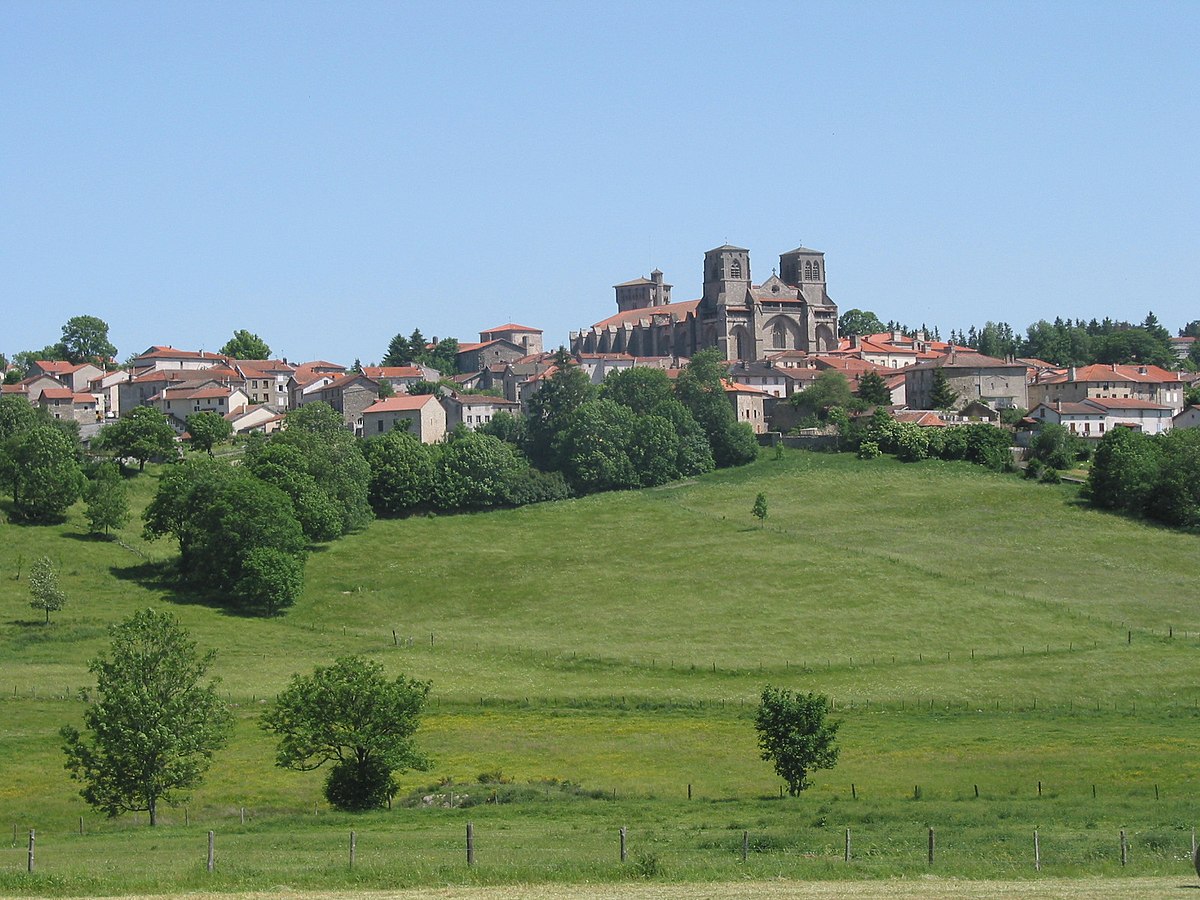


Abbey of La Chaise-Dieu
Overview
The Abbey of La Chaise-Dieu, located in the quaint town of La Chaise-Dieu in the Haute-Loire region of France, is a remarkable example of Benedictine monastic architecture that reflects the profound spiritual and artistic traditions of the Middle Ages. Founded in the 11th century, this abbey is not only an architectural marvel but also a significant cultural center that has influenced the region’s religious and artistic landscape over the centuries. Its serene environment, combined with the historical significance of the site, attracts visitors from around the world, making it an essential stop for those interested in monastic history and architecture.
The abbey is particularly noted for its exquisite church, which features intricate artistry and stunning stained glass windows. The surrounding landscape, with its rolling hills and tranquil aura, offers a peaceful retreat for visitors. As you venture into the abbey, the atmosphere invites contemplation and appreciation for the centuries of devotion and artistry that have unfolded within its walls. This guide will provide you with an in-depth look at the Abbey of La Chaise-Dieu, exploring its history, architectural features, visiting tips, and nearby attractions.
History and Significance
The Abbey of La Chaise-Dieu was established in the mid-11th century by Robert de Turlande, a monk who sought to create a place of worship dedicated to God. The abbey flourished in the 12th and 13th centuries, becoming a prominent center for spiritual life and education. It played a pivotal role in the dissemination of Benedictine monastic practices throughout the region and beyond.
Over the centuries, the abbey has served various purposes, from a religious institution to a cultural hub. It hosted numerous scholars and artists, contributing to the intellectual and artistic currents of the time. The abbey’s library was reputed to be one of the finest in France, containing valuable manuscripts and texts that have since enriched the cultural heritage of the region.
The architectural evolution of the abbey reflects the changing styles and artistic trends of different periods. While the original structure was Romanesque, Gothic elements were added in subsequent renovations, showcasing the abbey’s adaptability and the importance of preserving its legacy. The abbey has survived various historical challenges, including the French Revolution, which saw many ecclesiastical properties repurposed or dismantled. Fortunately, La Chaise-Dieu was largely preserved, allowing visitors today to appreciate its historical significance.
Architecture and Features
The architectural grandeur of the Abbey of La Chaise-Dieu is one of its most notable attributes. The abbey complex consists of a church, cloisters, and various monastic buildings that exhibit a blend of Romanesque and Gothic architectural styles. The church, dedicated to Saint Robert, is particularly impressive, featuring a vast nave adorned with intricate sculptures and vaulted ceilings that create a sense of awe and reverence.
One of the standout features of the church is its remarkable stained glass windows, which depict biblical scenes and saints, illuminating the interior with a kaleidoscope of colors. The main altar, embellished with exquisite carvings and artwork, serves as a focal point for worship and reflection. The abbey’s cloisters, with their serene arches and peaceful gardens, provide a tranquil space for contemplation, embodying the monastic tradition of solitude and prayer.
Additionally, the abbey houses a collection of remarkable artwork, including paintings and sculptures that highlight the religious devotion and artistic expression of the monks who once inhabited the space. The overall design and layout of the abbey reflect the principles of monastic life, emphasizing simplicity, utility, and beauty.
Visiting Information
To visit the Abbey of La Chaise-Dieu, travelers can access the site by various means of transport. The abbey is located within the town of La Chaise-Dieu, which is well connected by road. Visitors traveling by car will find parking available near the site. Public transportation options may be limited, so it is advisable to check local schedules for buses or trains that service the area.
Check the official website for current information regarding opening hours and entry fees, as these may vary seasonally. It is recommended to allocate at least two hours for your visit to fully appreciate the architecture, gardens, and historical exhibits within the abbey.
The best times to visit are typically during the spring and early autumn months when the weather is mild, and the surrounding landscape is at its most picturesque. Visitors can expect a serene atmosphere, perfect for exploration and reflection.
Nearby Attractions
While the Abbey of La Chaise-Dieu is a highlight, several other attractions in the vicinity are worth exploring:
- Saint-Robert Church: Located nearby, this church is another example of local religious architecture and offers insight into the town’s history.
- The Château de La Chaise-Dieu: This nearby castle provides a glimpse into the feudal past of the region, showcasing medieval architecture and scenic views.
- The Parc Naturel Régional Livradois-Forez: A short drive away, this regional park offers opportunities for hiking, nature walks, and enjoying the outdoor beauty of the Auvergne region.
- The Village of La Chaise-Dieu: Take the time to explore the charming streets of the village itself, which is dotted with quaint shops and local eateries.
Insider Tips
To enhance your visit to the Abbey of La Chaise-Dieu, consider the following tips:
- Photography: While photography is generally allowed in the abbey, be mindful of areas where it may be restricted, particularly during services or in certain exhibitions. Capture the stunning stained glass windows and architectural details to remember your visit.
- Crowd Avoidance: Visit early in the morning or later in the afternoon to avoid larger tourist groups, especially during peak seasons.
Practical Information
When planning your visit, it’s advisable to bring comfortable walking shoes as the abbey grounds can involve some walking, and the surfaces may be uneven. Additionally, bring a light jacket or sweater, as the temperature can be cooler within the stone walls of the abbey.
Depending on the season, be prepared for varying weather conditions. Spring and summer can be warm, while autumn may bring cooler temperatures and occasional rain. Always check the weather forecast prior to your visit to ensure a comfortable experience.
Frequently Asked Questions
How long should I spend visiting?
A visit typically takes around two hours to fully explore the abbey and its surroundings.
Is photography allowed?
Yes, photography is generally permitted, but be mindful of restrictions in certain areas.
Are there guided tours?
Check the official website for information on available guided tours and any associated fees.
What’s the best time to visit?
The best times to visit are during the spring and early autumn when the weather is pleasant.
Is it wheelchair accessible?
Check the official website for detailed accessibility information regarding the abbey and its facilities.
Can I buy tickets online?
Check the official website for current ticket purchasing options and availability.
Are there restrooms and cafes?
Facilities may be available on-site; check the official website for the latest updates.
What should I wear?
Comfortable, modest clothing is advisable, as the abbey is a place of worship and reflection.
Photo Gallery
More in Provence-Alpes-Côte d'Azur

Abri des pêcheurs
📍 Berrias-et-Casteljau, France
The Abri des pêcheurs, located in the picturesque region of Berrias-et-Casteljau, France, is a remarkable archaeological site that provides a window …

Achiet-le-Grand Communal Cemetery
📍 Achiet-le-Grand, France
Achiet-le-Grand Communal Cemetery is situated in the Pas-de-Calais region of France, an area that has witnessed a tumultuous history especially during …

Agnez-les-Duisans Communal Cemetery
📍 Agnez-lès-Duisans, France
The Agnez-les-Duisans Communal Cemetery is located in the Pas-de-Calais region of northern France, a serene site that serves as a resting place for …

Ancienne Comédie d'Avignon
📍 Avignon, France
The Ancienne Comédie d’Avignon, once a vibrant hub of theatrical performances, plays a pivotal role in the cultural history of Avignon, a city known …
ancienne propriété de Camille Corot
📍 Ville-d'Avray, France
The ancienne propriété de Camille Corot is a charming park located in the scenic town of Ville-d’Avray, just outside of Paris, France. This peaceful …

Ancient Roman circus of Arles
📍 Arles, France
The Ancient Roman circus of Arles stands as a monumental reminder of the grandeur of Roman architecture and public entertainment. Located in the heart …

Annappes Churchyard
📍 Villeneuve-d'Ascq, France
The Annappes Churchyard, situated in the heart of Villeneuve-d’Ascq in the Nord region of France, offers visitors a contemplative environment steeped …
More Religious Buildings
abadia de Sant Llorenç de Vernosoubre
📍 Caunes-Minervois, France
The Abadia de Sant Llorenç de Vernosoubre, situated in the picturesque region of Caunes-Minervois, France, is a remarkable example of monastic …

Abbatiale Saint-Volusien de Foix
📍 Foix, France
The Abbatiale Saint-Volusien de Foix stands as a remarkable monument in the picturesque region of Ariège, France. This abbatial church not only serves …
abbaye bénédictine de La Rochette
📍 Belmont-Tramonet, France
The abbaye bénédictine de La Rochette is a significant cultural and spiritual site nestled in the picturesque region of Savoie, France. This …
abbaye bénédictine de Madiran
📍 Madiran, France
The abbaye bénédictine de Madiran sits in the picturesque region of Hautes-Pyrénées, France, offering visitors a serene retreat infused with spiritual …
abbaye bénédictine de Rosans
📍 Rosans, France
The abbaye bénédictine de Rosans is a prominent monastery situated in the picturesque Hautes-Alpes region of France. This tranquil site is not only a …
abbaye bénédictine Notre-Dame de Saint-Eustase
📍 Eyres-Moncube, France
The abbaye bénédictine Notre-Dame de Saint-Eustase is a significant Benedictine monastery situated in the tranquil region of Eyres-Moncube, France. …
abbaye cistercienne de Montfaucon
📍 Montfaucon-en-Velay, France
The abbaye cistercienne de Montfaucon is a fascinating site located in the Haute-Loire region of France. This monastery, part of the Cistercian order, …