10 Most Beautiful Châteaux in France for First-Time Visitors
Planning your first French château visit? Start with these 10 spectacular castles that showcase the country's rich Renaissance heritage. Each one offers something unique, from royal grandeur to romantic gardens.
My first château visit was a disaster. I showed up at Versailles on a July afternoon, waited two hours in line, and spent most of my time being pushed through crowded rooms. Not exactly the royal experience I’d imagined.
Since then, I’ve visited over 200 French châteaux and learned how to make the most of these incredible sites. Some are tourist magnets requiring advance strategy, while others are hidden treasures where you’ll practically have the place to yourself.
This list focuses on the châteaux that made the biggest impression on me—the ones I’d recommend to anyone visiting France for the first time. Whether you’re into Renaissance splendor, romantic gardens, or just stunning architecture, there’s something here for you.
What Makes These Châteaux Special?
Before we dive in, let me explain my selection criteria:
✅ Accessibility: Easy to reach by car or train ✅ Visitor-Friendly: Good signage, tours available, decent facilities ✅ Visual Impact: These châteaux will take your breath away ✅ Historical Significance: Each has fascinating stories to tell ✅ Worth the Trip: You won’t regret spending half a day here
1. Château de Chambord: The Renaissance Masterpiece
Location: Loire Valley, near Blois Best For: First-time visitors, architecture lovers, photographers Time Needed: 3-4 hours Difficulty: Flat, fully accessible
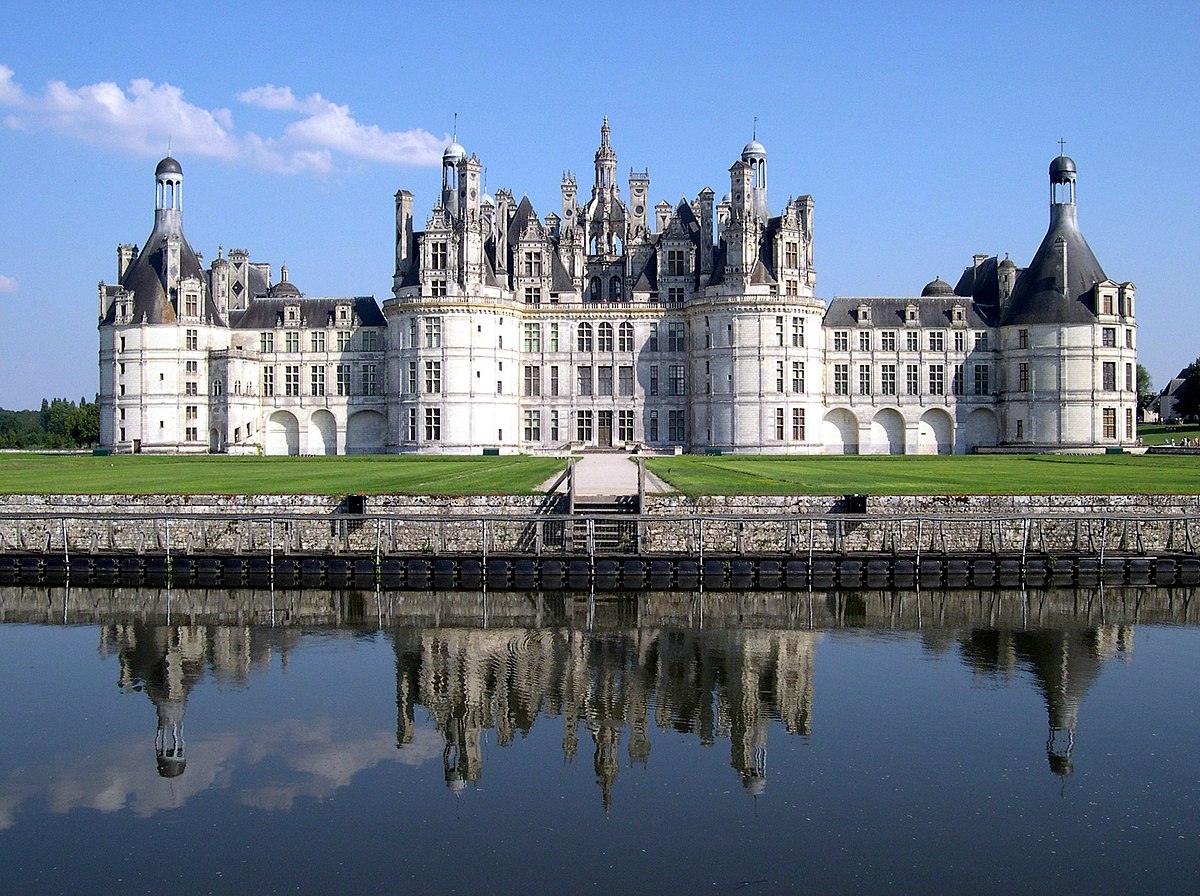
Let’s start with the obvious one. Château de Chambord is France’s most recognizable château for good reason—it’s an architectural wonder that defied everything people thought possible in the 16th century.
What I Love About It:
François I built this hunting lodge (yes, a “hunting lodge”) starting in 1519. The double-helix staircase at its center—possibly designed by Leonardo da Vinci—allows two people to climb or descend without ever meeting. The rooftop terrace, with its forest of chimneys and turrets, looks like a Renaissance skyline.
Practical Tips:
- Book tickets online to skip the queue
- Visit early morning or late afternoon for best light
- The rooftop terrace view is worth the climb
- The surrounding park is free and perfect for picnics
- Rent a bike to explore the vast grounds
My Take: Chambord is touristy but worth it. The scale is simply overwhelming. Just manage your expectations and go early.
2. Château de Chenonceau: The Ladies’ Castle
Location: Loire Valley, near Tours Best For: Romantic couples, garden lovers, history buffs Time Needed: 2-3 hours Difficulty: Flat, mostly accessible
Château de Chenonceau spans the River Cher like a bridge, creating one of France’s most photographed scenes. This “Château des Dames” was shaped by powerful women throughout its history.
What Makes It Special:
Diane de Poitiers and Catherine de’ Medici both left their mark here. The gallery spanning the river served as a hospital during WWI and an escape route during WWII—the château straddled the demarcation line between occupied and free France.
Highlights:
- The Grande Galerie stretching over the river
- Catherine de’ Medici’s Italian-style gardens
- The kitchen built into the château’s foundations
- The flower arrangements—changed weekly with flowers from the estate
Perfect Day Plan:
- Arrive when gates open at 9 AM
- Tour the château (1.5 hours)
- Explore both gardens
- Have lunch at the Orangerie restaurant
- Rent a rowboat on the Cher
3. Palace of Versailles: The Sun King’s Legacy
Location: Île-de-France, near Paris Best For: History enthusiasts, art lovers, royal grandeur seekers Time Needed: Full day Difficulty: Large site, lots of walking
Palace of Versailles needs no introduction. This was the seat of French power for over a century and remains one of the world’s most visited monuments.
Why It’s Worth the Crowds:
The Hall of Mirrors. The Royal Apartments. The gardens stretching to the horizon. Marie Antoinette’s private hamlet. Versailles is overwhelming in the best possible way.
Survival Guide:
- Book timed-entry tickets weeks in advance
- Tuesday and Saturday are the worst days
- Start with the gardens if queues are long for the palace
- The Trianon palaces are often overlooked gems
- Musical fountain shows (spring/summer weekends) are magical
Insider Secret: Visit on a Monday when many Paris museums are closed—Versailles stays open and is slightly less crowded.
4. Château de Villandry: Garden Paradise
Location: Loire Valley, near Tours Best For: Garden enthusiasts, photographers, peaceful seekers Time Needed: 2-3 hours Difficulty: Extensive walking in gardens
Château de Villandry is famous for its stunning Renaissance gardens—the finest in France. The château itself is charming, but the gardens are the star.
The Gardens:
Three terraced levels unfold like living tapestries:
- Water Garden: Serene reflecting pools and fountains
- Ornamental Garden: Geometric patterns representing love (tender, passionate, fickle, and tragic)
- Kitchen Garden: Nine squares of vegetables and flowers arranged like a Renaissance painting
Best Time to Visit:
- Spring: Tulips and early blooms
- Summer: Vegetables in full glory
- Autumn: Rich colors, harvest atmosphere
- Winter: Serene but many plants dormant
Photography Tip: The viewing platform above the gardens offers the best overview shots. Visit in morning light for dramatic shadows.
5. Château de Fontainebleau: The Forgotten Palace
Location: Île-de-France, south of Paris Best For: History deep-divers, art lovers, crowd-avoiders Time Needed: 3-4 hours Difficulty: Large site
Palace of Fontainebleau is often overlooked in favor of Versailles, but this is where French royalty actually preferred to live. Eight centuries of French monarchs left their mark here.
Why I Love It:
Fontainebleau feels lived-in. Where Versailles is theatrical, Fontainebleau is intimate. Napoleon called it “the true home of kings.” He bid farewell to his Imperial Guard here before his first exile.
Don’t Miss:
- The François I Gallery—birthplace of French Renaissance art
- Napoleon’s apartments, preserved exactly as he left them
- The Cour des Adieux (Courtyard of Farewells)
- The English garden, perfect for contemplation
- The Chinese Museum with Empress Eugénie’s collection
Practical Note: Far less crowded than Versailles with equally important art and history. The town of Fontainebleau is charming for lunch.
6. Château d’Azay-le-Rideau: The Water Jewel
Location: Loire Valley Best For: Romantic souls, photography enthusiasts Time Needed: 1.5-2 hours Difficulty: Easy
Château d’Azay-le-Rideau seems to float on the Indre River, its Renaissance façade perfectly reflected in the water. Balzac called it “a faceted diamond set in the Indre.”
What Makes It Special:
Built on the foundations of an older fortress, Azay-le-Rideau combines Italian Renaissance elegance with French Gothic tradition. It’s small enough to feel intimate, grand enough to impress.
Highlights:
- The grand staircase with François I’s salamander
- Period-furnished rooms showing Renaissance life
- The English-style park surrounding the moat
- Night illuminations in summer (spectacular)
Best Photo Spots:
- The southwest corner at sunset for reflections
- The park’s walking paths for romantic framing
- Inside the loggia looking out
7. Château de Carcassonne: The Medieval Fortress
Location: Occitanie, southern France Best For: Medieval history enthusiasts, families, Game of Thrones fans Time Needed: Half day Difficulty: Lots of walking on cobblestones
Cité de Carcassonne isn’t a single château—it’s an entire fortified medieval city. This UNESCO World Heritage site is the largest medieval fortress in Europe.
The Experience:
Walking through the Narbonne Gate and up the narrow streets feels like time travel. The double ring of ramparts, 52 towers, and the inner castle (Château Comtal) create an unforgettable medieval atmosphere.
Must-Do:
- Walk the ramparts for panoramic views
- Visit Château Comtal for the full history
- Explore the narrow medieval streets
- Watch the sunset from outside the walls
- Come back at night when it’s illuminated
Tourist Trap Warning: The main streets are very touristy with overpriced restaurants. Explore the quieter corners and eat outside the walls for better value.
8. Château de Vaux-le-Vicomte: The Original Versailles
Location: Île-de-France, southeast of Paris Best For: Garden lovers, history buffs, candlelight romantics Time Needed: 2-3 hours Difficulty: Extensive gardens
This château has a dramatic story: Nicolas Fouquet built Vaux-le-Vicomte to show off his wealth. The party he threw was so lavish that Louis XIV had him arrested for embezzlement—then hired Fouquet’s entire team to build Versailles.
Why Visit:
Everything about Versailles started here: Le Vau’s architecture, Le Brun’s paintings, Le Nôtre’s gardens. But Vaux-le-Vicomte is more intimate and far less crowded.
Special Events:
- Candlelight evenings (summer Saturdays): 2,000 candles illuminate the château and gardens
- Christmas decorations: Elaborate holiday displays
- Costume rental: Dress up in period costumes for your visit
My Recommendation: Visit on a candlelight evening. It’s pure magic—the gardens illuminated by thousands of flames, classical music playing, and fireworks at 11 PM.
9. Mont Saint-Michel Abbey: The Wonder of the West
Location: Normandy, on the border with Brittany Best For: Everyone—this is unmissable Time Needed: Full day Difficulty: Steep climbs, many stairs
Mont Saint-Michel isn’t just a château—it’s a medieval abbey town rising from the sea. One of France’s most iconic silhouettes and a UNESCO World Heritage site.
The Experience:
The approach across the causeway as the abbey grows larger is unforgettable. Inside, you climb through the medieval village to reach the abbey perched at the top. The views, the architecture, the atmosphere—it’s all extraordinary.
Essential Tips:
- Stay overnight to experience it after day-trippers leave
- Visit at high tide to see the island surrounded by water
- Climb to the abbey early morning or evening
- The bay walk with a guide is a unique experience (only with guide—quicksand!)
Timing Matters: Check tide schedules. The bay transforms completely between high and low tide. Both are spectacular in different ways.
10. Château de Chantilly: The Hidden Treasure
Location: Île-de-France, north of Paris Best For: Art lovers, equestrian enthusiasts, garden admirers Time Needed: Half day Difficulty: Extensive grounds
Château de Chantilly houses France’s second most important collection of old master paintings after the Louvre. Yet it remains far less crowded than other major sites.
Highlights:
- The Condé Museum with Raphaels, Poussins, and medieval manuscripts
- The Grand Stables—among the largest and most beautiful in the world
- Le Nôtre’s French gardens and the English garden
- The hameau that inspired Marie Antoinette’s at Versailles
- Yes, whipped cream (crème Chantilly) was perfected here
Best Strategy:
Morning for the château and art collection (when light is best for the paintings), afternoon for the gardens and stables. Have lunch at the Hameau restaurant overlooking the gardens.
How to Plan Your Château Route
Loire Valley Route (4-5 days):
- Day 1: Chambord + Blois
- Day 2: Chenonceau + Amboise
- Day 3: Villandry + Azay-le-Rideau
- Day 4: Château de Chaumont + wine tasting
- Day 5: Château d’Ussé (Sleeping Beauty’s castle)
Île-de-France Route (3-4 days):
- Day 1: Versailles (full day)
- Day 2: Fontainebleau + Vaux-le-Vicomte (candlelight evening)
- Day 3: Chantilly
- Day 4: Paris museums
Southern Route (3 days):
- Day 1: Carcassonne
- Day 2: Pont du Gard + Avignon
- Day 3: Nice area châteaux
Essential Château-Visiting Tips
🎫 Tickets & Timing:
- Book Versailles, Chambord, and Chenonceau online in advance
- Visit popular châteaux early morning or late afternoon
- Weekdays are less crowded than weekends
- Many châteaux have reduced hours November-March
👟 What to Wear:
- Comfortable walking shoes (gardens are extensive)
- Layers (château interiors are often cool)
- Weather-appropriate gear for gardens
📸 Photography:
- Interior photography rules vary—check first
- Gardens are always free to photograph
- Golden hour is magical for château exteriors
- Bring a wide-angle lens
🍽️ Dining:
- Most major châteaux have cafes or restaurants
- Pack a picnic for garden lunches
- Local restaurants in nearby villages are usually better value
Your Turn: Which Château First?
If you only have time for one château, here’s my recommendation:
- Best Overall Experience: Chambord
- Best for Romance: Chenonceau
- Best Gardens: Villandry
- Best Art Collection: Chantilly
- Best Atmosphere: Mont Saint-Michel
- Best Near Paris: Vaux-le-Vicomte
- Best for History: Fontainebleau
- Best Medieval Experience: Carcassonne
My personal favorite? Chenonceau. The setting over the river, the stories of the women who shaped it, the beautiful gardens—it has everything. But honestly, you can’t go wrong with any château on this list.
Jean Martin is a travel writer and Provence native who has visited over 200 French châteaux. He still gets emotional at sunset over Chenonceau. Find more of his practical travel guides at WorldHeritage France.
Jean Martin
Travel Journalist
Award-winning travel writer and Provence native with a passion for uncovering hidden gems across France. Having explored over 400 heritage sites, Jean brings practical insights and local perspectives to his writing.